
Introduction
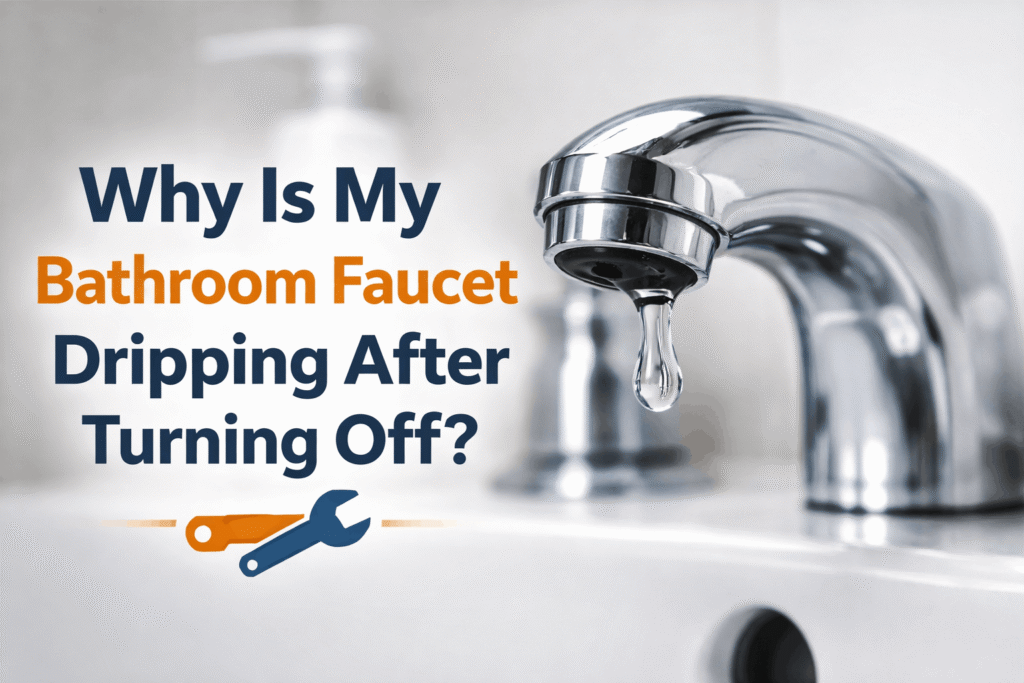
If you’re wondering why your bathroom faucet is dripping after turning it off, you’re not alone. A leaking faucet is not only annoying but can also waste a surprising amount of water and increase your bills.Learn more home repair solutions on RoomFix In this guide, we’ll explain the common causes and show you simple, step-by-step fixes anyone can do.
Table of Contents
Common Reasons Your Bathroom Faucet Keeps Dripping
If you’re asking why my bathroom faucet is dripping after turning it off, the answer usually comes down to a few common internal issues. Here are the most likely causes:
Worn-Out Washer
A washer is a small rubber or silicone piece inside the faucet that helps create a tight seal when you turn the handle off.
Over time, washers wear out due to constant friction and pressure. When this happens, the seal is no longer tight, allowing water to slowly drip even after the faucet is turned off.
If you’re dealing with frequent leaks, check out our bathroom repair tools and parts
Damaged O-Ring
The O-ring is a small rubber ring that helps seal different parts of the faucet, especially around the handle.
Signs to look for:
- Water dripping near the handle
- Loose or wobbly faucet handle
- Irregular leaking
A worn or damaged O-ring can let water escape, leading to persistent dripping.
Faulty Faucet Cartridge
The cartridge controls the flow and mixing of hot and cold water in modern faucets.
If the cartridge is damaged or clogged, it won’t fully shut off the water, which is a common reason why your bathroom faucet is dripping after turning off—especially in newer, single-handle designs.
High Water Pressure
Excessively high water pressure can prevent water from settling properly inside the faucet.
Instead of stopping completely, water continues to force its way through, causing a slow, steady drip even when the tap is off.
Corroded Valve Seat
The valve seat connects the faucet to the spout and helps control water flow.
Over time, mineral deposits from hard water can build up on this part, causing corrosion. This prevents a proper seal and leads to leaks and dripping.
How to Diagnose the Problem (Step-by-Step)
If you’re trying to figure out why your bathroom faucet is dripping after turning it off, a simple step-by-step check can help you identify the exact cause before fixing it.
Step 1: Turn Off the Water Supply
Begin by turning off the water valves beneath the sink to stop any flow, ensuring safety while you examine the faucet.
Step 2: Identify Your Faucet Type
Knowing your faucet type makes diagnosis much easier. Common types include:
- Compression faucet (two handles, uses washers)
- Cartridge faucet (single or double handle, smooth control)
- Ball faucet (common in kitchens, has a rotating ball mechanism)
- Ceramic disc faucet (modern design, durable and leak-resistant)
Each type has different internal parts, so identifying it helps pinpoint the issue faster.
Step 3: Do Simple Checks
You don’t need to be an expert—just look for these common signs:
- Check for visible leaks around the handle or spout
- Turn the handle and feel for looseness or stiffness.
- Listen for unusual sounds when turning the faucet on/off.
- Inspect for mineral buildup or corrosion
These quick checks can reveal the root cause and help you understand exactly why your bathroom faucet is dripping after turning off, so you can move on to the right fix.
How to Fix a Dripping Bathroom Faucet
If you’ve figured out why my bathroom faucet is dripping after turning off, the next step is fixing it. Most repairs are simple and beginner-friendly.
Fix #1 – Replace the Washer
One of the leading reasons for a dripping faucet is a deteriorated washer.
Steps:
- Turn off the water supply
- Remove the faucet handle using a screwdriver.
- Take out the old washer
- Swap it out with a brand-new one of identical size.
- Reassemble the faucet
Tip: Make sure the new washer fits properly to create a tight seal.
Fix #2 – Install a New Cartridge
If your faucet uses a cartridge, replacing it often solves the issue.
Steps:
- Turn off the water and remove the handle
- Pull out the old cartridge carefully.
- Insert a matching new cartridge
- Reassemble the faucet
Tip: Take the old cartridge to a store to get the exact match.
Fix #3 – Clean Mineral Deposits
Mineral buildup can block proper sealing.
Steps:
- Disassemble the faucet parts
- Soak them in vinegar for 30–60 minutes
- Scrub gently to remove build-up
- Rinse and reassemble
Tip: This works especially well in hard water areas.
Fix #4 – Tighten Loose Parts
Loose components can cause small leaks.
Steps:
- Check all visible nuts and screws
- Tighten them gently using a wrench.
- Avoid over-tightening to prevent damage
Safety Tips
- Always turn off the water supply before starting.
- Use the correct tools to avoid damaging parts.
- Place a towel or plug in the drain to prevent losing small pieces.
- If you’re unsure, stop and consult a professional.
Repair vs. Replace – What’s Better?
Once you understand why your bathroom faucet is dripping after turning it off, the next question is whether to repair it or replace the entire faucet. Follow this clear guide to decide what’s right in your situation.
When Repair Is Enough
Repairing your faucet is usually enough if:
- The dripping happens when the washer, O-ring, or cartridge inside the faucet becomes worn or damaged.
- The faucet is relatively new and in good condition
- You want a quick, low-cost fix
A simple repair can stop the drip, save water, and extend the life of your faucet for years.
When to Replace the Faucet
Consider replacing your faucet if:
- It’s old or corroded beyond repair.
- Repairs are frequent or cost more than a new faucet.
- You want to upgrade the style or functionality (touchless, water-saving, modern finishes)
A replacement ensures long-term reliability and can also improve your bathroom’s look.
Cost Comparison Table
| Option | Average Cost | Effort | Lifespan After Fix/Replacement | Notes |
|---|---|---|---|---|
| Repair Washer / O-Ring | $5–$15 | Easy | 1–3 years | Quick, low-cost fix |
| Replace Cartridge | $15–$40 | Moderate | 3–5 years | Best for modern faucets |
| Faucet Replacement | $50–$200+ | Moderate to Hard | 10+ years | Long-term solution, upgrades style |
How Much Water (and Money) a Dripping Faucet Wastes
If you’re still wondering why your bathroom faucet is dripping after turning it off, it’s important to understand the real cost of ignoring the problem. Even a small drip can waste a surprising amount of water over time.
Water Waste Statistics
- A faucet that drips once per second can waste over 3,000 gallons of water per year.
- Even slower drips—like one drip every 15 seconds—can still waste more than 500 gallons annually.
Real-life example:
Imagine your bathroom faucet drips once every 5 seconds. Over a year, that adds up to roughly 1,700 gallons of water—enough to fill a small swimming pool!
Financial Impact
Wasted water directly affects your water bill. Depending on local rates, a single dripping faucet can cost anywhere from $20 to $50 per year, and multiple leaks can quickly add up.
Environmental Impact
Beyond your wallet, dripping faucets contribute to unnecessary water consumption, which strains local water supplies and increases energy use for water treatment. Fixing even one faucet helps conserve water and reduces your environmental footprint.
Recommended Tools & Parts
Once you know why your bathroom faucet is dripping after turning it off, having the right tools and replacement parts makes fixing it fast and easy. Here’s what you’ll need:
Washers
Washers are the most common reason for a dripping tap. They’re inexpensive and simple to replace. Make sure to get the correct size and material for your faucet type to ensure a proper seal.
Cartridges
For modern faucets, a faulty cartridge often causes drips. Replacement cartridges are available for most brands and models. Always match the cartridge to your faucet type to fix the drip effectively.
Faucet Repair Kits
Repair kits include washers, O-rings, and small tools all in one package. They’re perfect if you want a complete DIY solution for your faucet. Using a kit can save time and help prevent future leaks.
Optional: Best Budget Faucets
If your faucet is old or beyond repair, investing in a budget-friendly faucet can be a smart choice. Many affordable faucets now feature durable cartridges and water-saving designs, making them a long-term solution to dripping issues.
FAQs
Here are answers to the most common questions about why my bathroom faucet is dripping after turning it off, helping you troubleshoot and make the right fix.
Why is my bathroom faucet still leaking after I changed the washer?
Sometimes a drip continues because the O-ring, cartridge, or valve seat may also be worn or damaged. Replacing just the washer won’t fix these issues, so inspect all parts for wear.
Can high water pressure cause faucet dripping?
Yes. Excessively high water pressure can prevent the faucet from shutting off completely, leading to a slow drip. Installing a pressure-reducing valve can help prevent leaks.
Is a dripping faucet dangerous?
While a dripping faucet isn’t typically hazardous, it wastes water and increases your water bill. Over time, persistent leaks can also cause water damage or mould growth if left unchecked.
How much does it cost to fix a dripping faucet?
Replacing a washer: $5–$15
Installing a new cartridge: $15–$40
Full faucet replacement: $50–$200+
DIY repairs are cheaper, while hiring a plumber increases the cost.
Should I call a plumber or fix it myself?
If the leak is small and you have basic tools, DIY repairs are easy. Call a plumber if the faucet is old, heavily corroded, multiple parts need replacing, or you’re unsure of your skills. Understanding why your bathroom faucet is dripping after turning it off helps you pick the right solution.
How to Prevent Faucet Dripping in the Future
Once you’ve fixed the issue, it’s important to prevent it from happening again. Understanding why your bathroom faucet is dripping after turning it off can help you take simple steps to protect your faucet and save water.
Regular Cleaning
Mineral buildup from hard water can cause seals and cartridges to wear out faster. Clean your faucet regularly by:
- Wiping down the spout and handles
- Soaking removable parts in vinegar to dissolve deposits
- Checking for early signs of wear
Regular maintenance keeps the faucet working smoothly and reduces the chance of leaks.
Water Pressure Control
Excessively high water pressure can strain faucet components and cause dripping. Install a pressure-reducing valve if needed, and make sure your home’s water pressure stays within the recommended range (typically 40–60 psi).
Use Quality Parts.
Invest in durable washers, cartridges, and O-rings when replacing parts. High-quality components last longer and create a better seal, helping prevent future drips.
Conclusion
A dripping faucet may seem minor, but understanding why my bathroom faucet is dripping after turning it off can save both water and money. Most leaks are caused by worn washers, damaged O-rings, faulty cartridges, high water pressure, or corroded valve seats—all issues you can often fix yourself.
Act quickly to prevent wasted water and higher bills. With the right tools and replacement parts, you can repair your faucet today and enjoy a drip-free bathroom. Don’t wait—stop the drip and protect your home now.