Introduction
A what is a shower system and how it works?’ guide is essential for anyone planning a bathroom upgrade or simply trying to understand modern shower setups. A shower system is a complete bathing solution that combines multiple components to control water flow, temperature, and spray options for a more comfortable experience. In this guide, you’ll learn exactly what a shower system is, how it functions, and why it has become a popular choice in today’s bathrooms.
Table of Contents
What Is a Shower System?
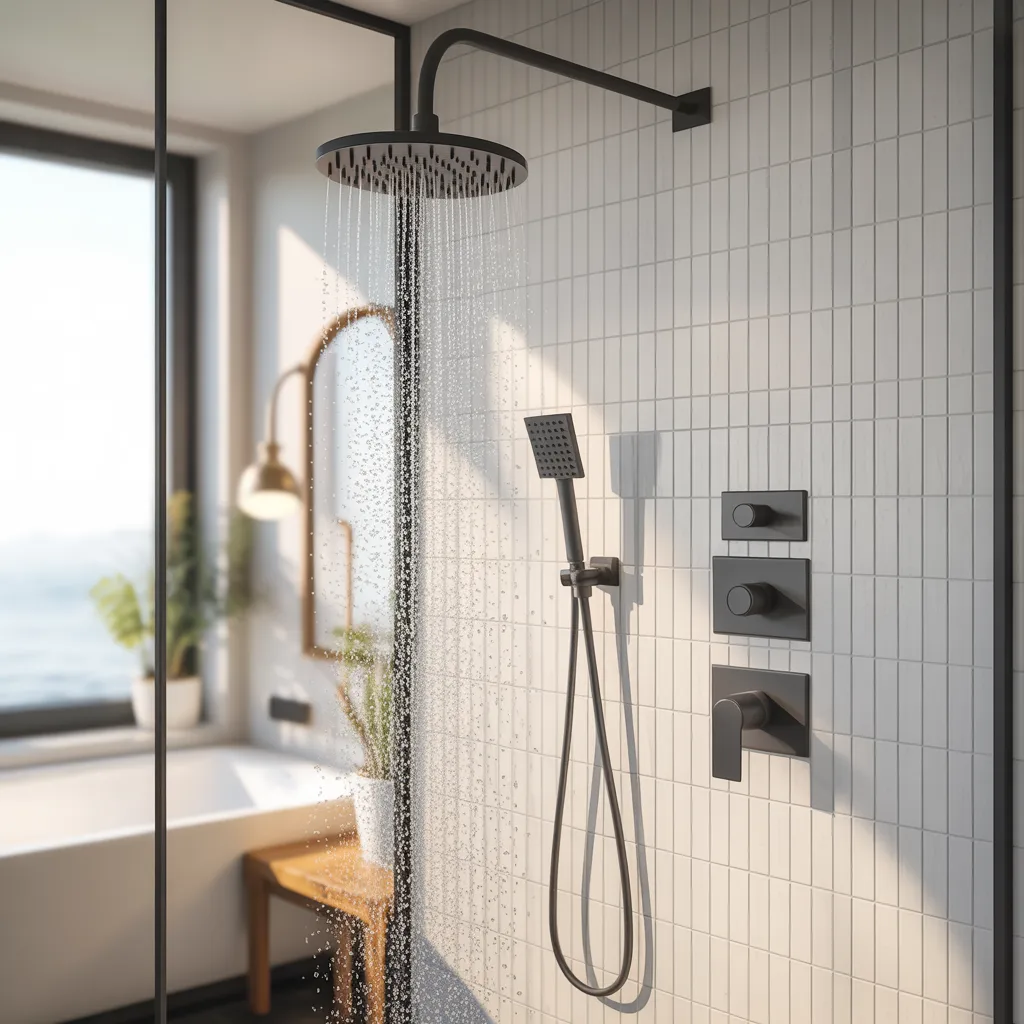
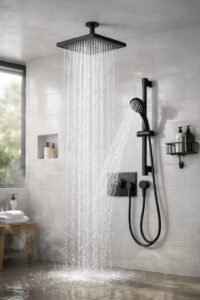
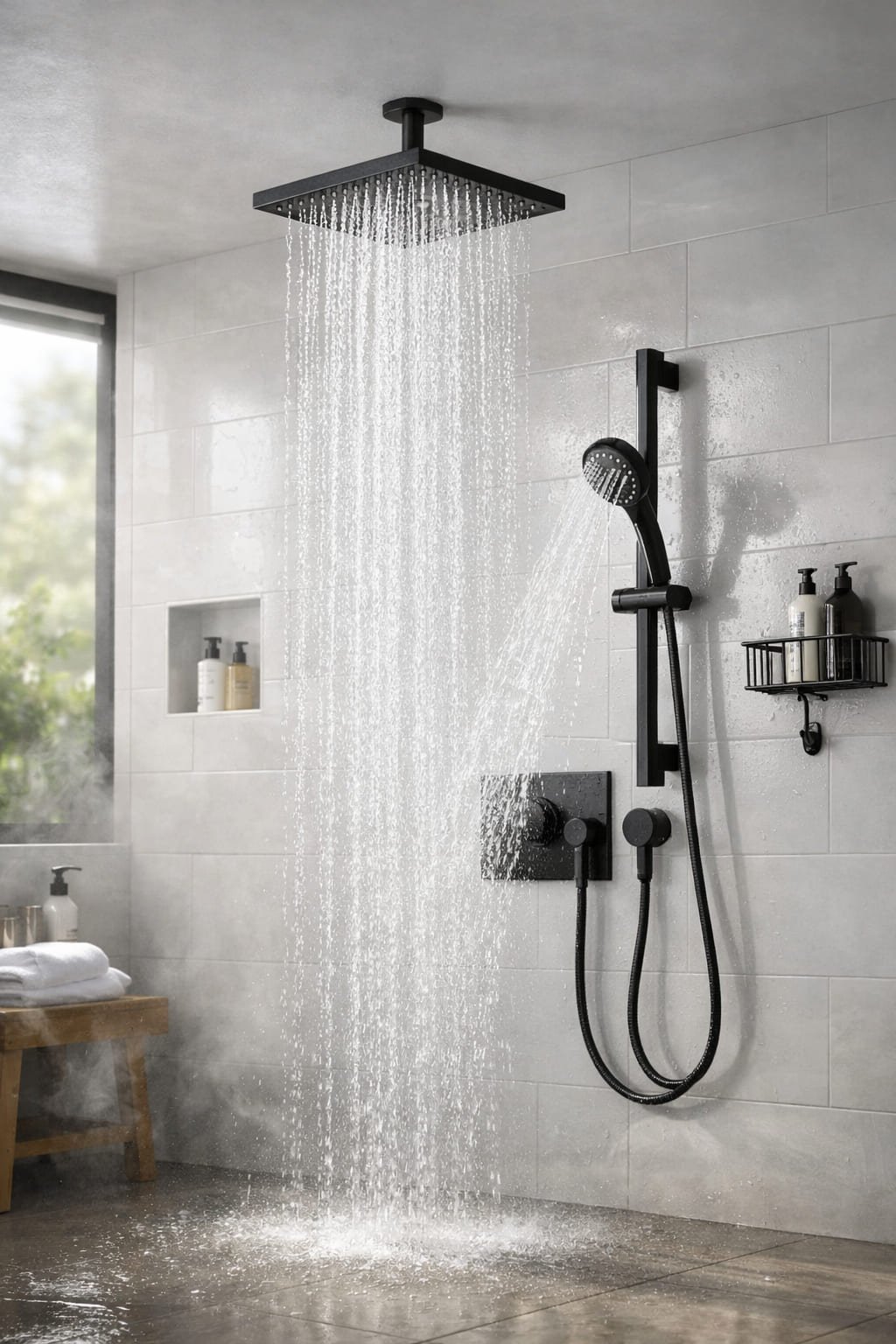
A shower system is a complete setup of connected components that control how water flows, mixes, and exits in your shower. In simple terms, if you’re wondering what a shower system is and how it works, it’s a coordinated system that manages water temperature, pressure, and direction through one or more outlets like a shower head, handheld sprayer, or body jets.
Unlike a basic shower that usually has just one fixed shower head, a shower system includes multiple parts working together. These typically include a shower valve (to control temperature and flow), a diverter (to switch between outlets), and different water outlets for a more customised experience.
What makes a shower system different is its ability to give you more control and flexibility. You can adjust water temperature precisely, switch between different spray options, or even run multiple outlets at the same time, depending on the setup.
In short, a shower system is designed to turn a simple daily routine into a more comfortable, efficient, and even spa-like experience.
Main Components of a Shower System
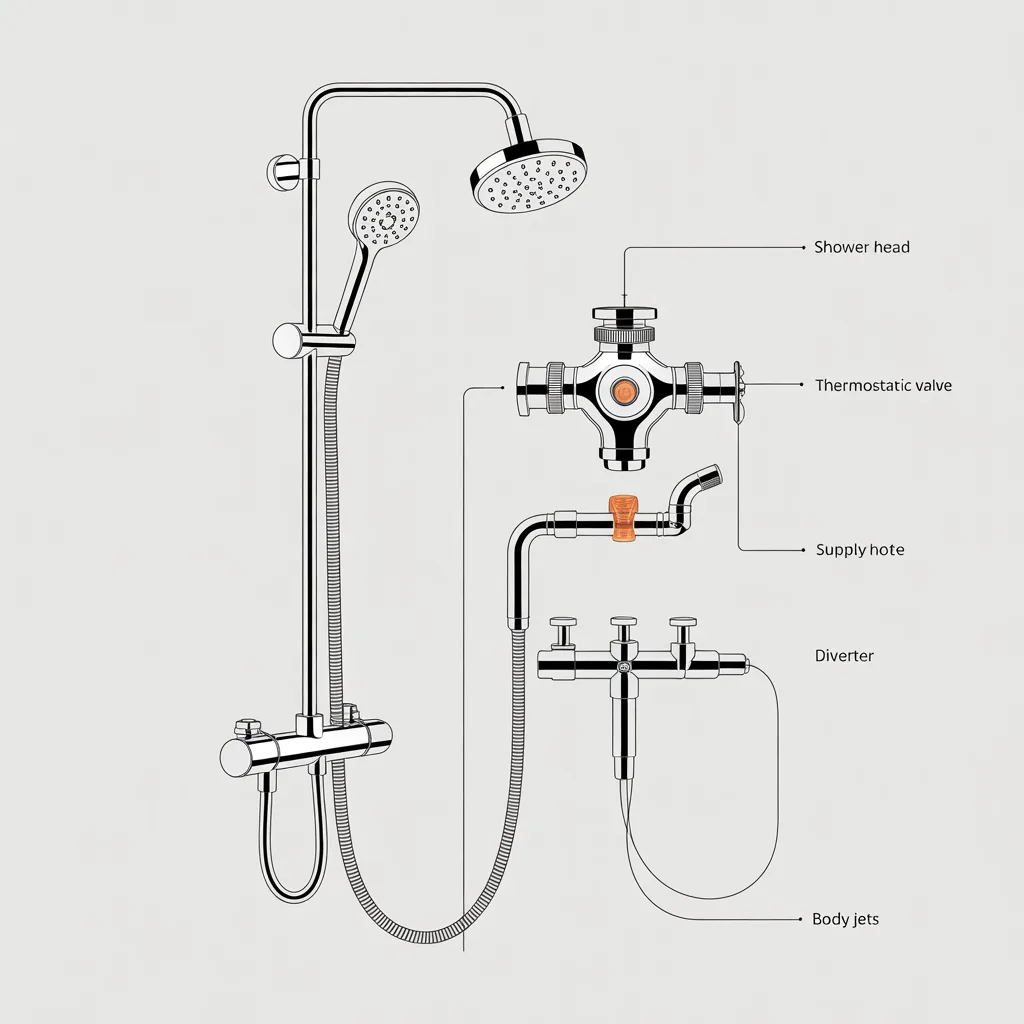
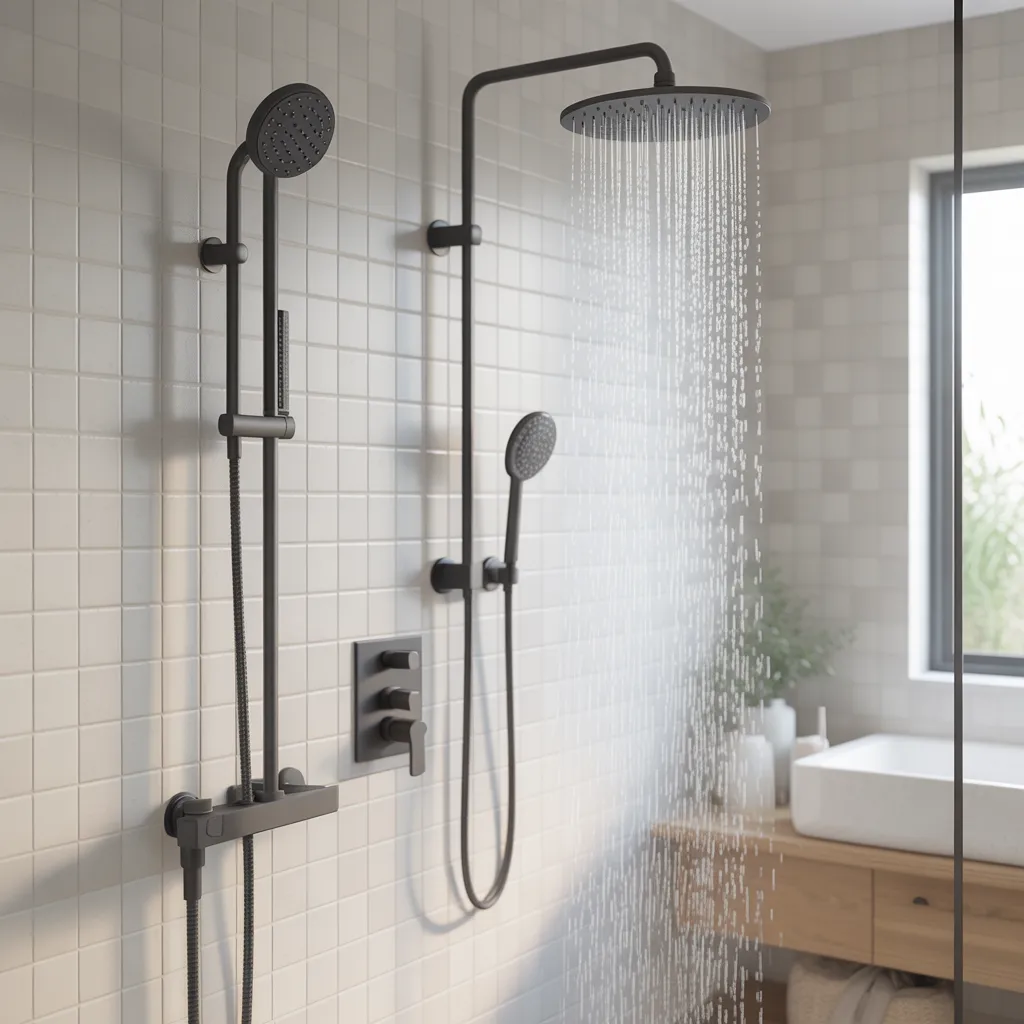
To fully understand what a shower system is and how it works, you need to know the key parts that make up the system. Each component plays an important role in controlling water flow, temperature, and overall shower experience.
Here are the main components explained in a simple way:
Shower Head
The shower head is where the water comes out. It’s the most visible part of the system and directly affects how your shower feels.
There are different types of shower heads, including rainfall, handheld, and fixed models. Some shower systems include multiple heads, allowing you to switch between them for a more customised experience.
Shower Valve
The shower valve is the control centre of the entire system. It manages both water pressure and temperature.
When you rotate the handle, the valve blends hot and cold water together until it reaches the temperature you prefer. In more advanced systems, thermostatic valves keep the temperature steady, even if someone else uses water in your home.
Diverter Valve
A diverter valve allows you to switch water flow between different outlets, such as a rainfall showerhead, handheld shower, or body jets.
For example, you can choose to use just the overhead shower or switch to a handheld spray. Some systems even let you run multiple outlets at the same time.
Body Jets (Optional)
Body jets are small nozzles installed on the shower wall. They spray water horizontally, creating a spa-like experience.
While not included in every system, they are a popular feature in luxury shower setups and can add extra comfort and relaxation.
Shower Arm and Hose
The shower arm connects the water supply to a fixed shower head, while the hose is used with handheld showers for flexibility.
A hose allows you to move the shower head freely, which is useful for rinsing, cleaning, or bathing children and pets.
Water Supply Lines
These are the hidden pipes behind your wall that bring hot and cold water into the system.
Although you don’t see them, they are essential for the system to function properly and deliver consistent water flow.
Understanding these components makes it much easier to grasp what a shower system is and how it works. Each part works together to give you better control, improved comfort, and a more enjoyable shower experience.
How Does a Shower System Work?
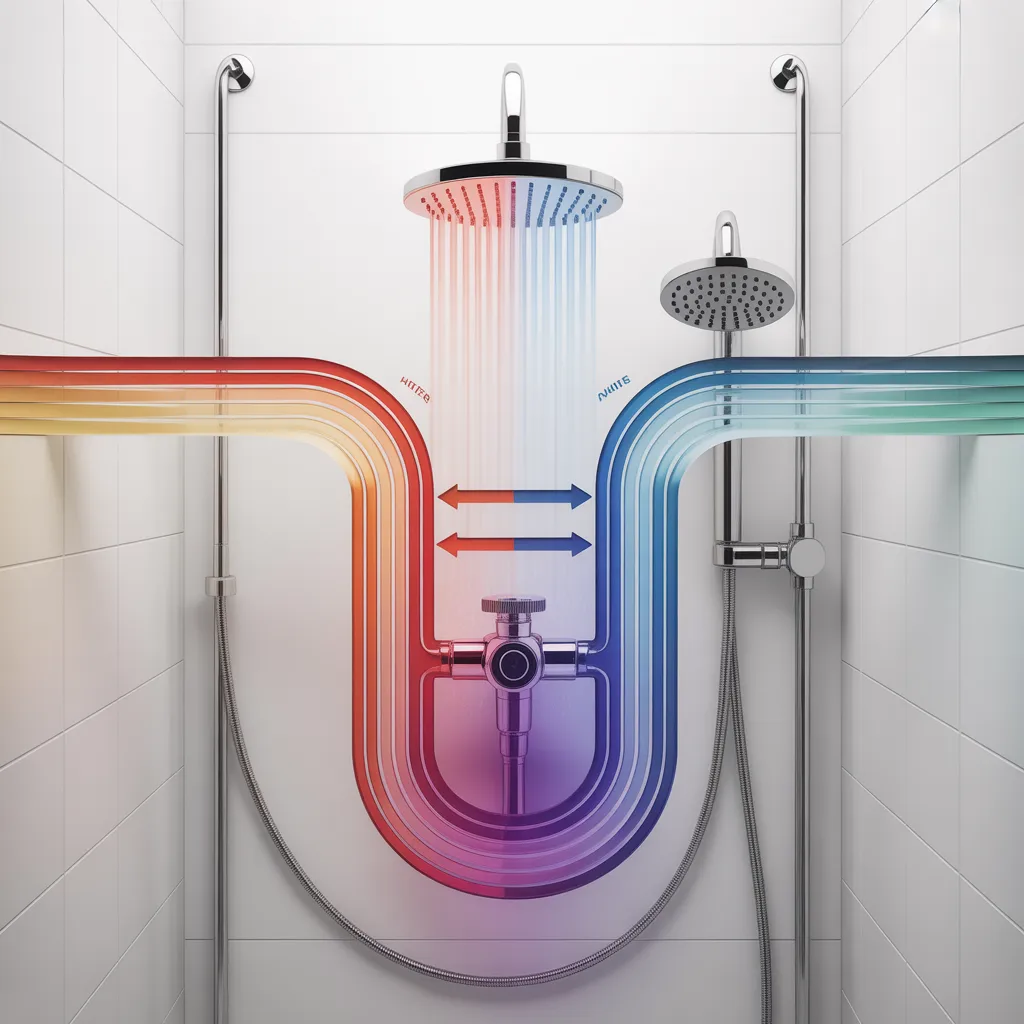
A shower system works by controlling how water flows, mixes, and exits through different outlets like a shower head, handheld sprayer, or body jets. In simple terms, it takes water from your home’s plumbing, adjusts the temperature and pressure, and delivers it exactly where you want it.
To fully understand what a shower system is and how it works, it helps to break the process down step by step:
1. Water Enters Through Supply Lines
Hot and cold water travel from your home’s plumbing into the shower system through separate pipes. These supply lines connect directly to the shower valve, which acts as the control centre.
2. The Shower Valve Mixes and Controls Water
The shower valve blends hot and cold water to reach your desired temperature. In advanced systems, a thermostatic valve keeps the temperature steady—even if someone uses water elsewhere in the house.
3. The Diverter Directs Water Flow
Once the water is mixed, it moves to the diverter. This component lets you choose where the water goes. For example, you can switch between the following:
- Overhead rain shower
- Handheld shower
- Body jets
Some systems allow you to run multiple outlets at the same time, depending on water pressure.
4. Water Flows to the Selected Outlet
After passing through the diverter, water is sent to the selected outlet. Each outlet delivers a different experience—like a gentle rainfall effect or a targeted spray.
5. Pressure and Flow Are Maintained
A well-designed shower system ensures consistent water pressure across all outlets. This is especially important in multi-function systems where more than one feature is used at once.
Simple Flow Summary
- Water enters through hot and cold pipes.
- Valve mixes and controls temperature
- Diverter selects the outlet
- Water flows through the chosen shower feature.
Understanding what a shower system is and how it works makes it easier to choose the right setup for your bathroom. The entire system is designed to give you better control, improved comfort, and a more customised showering experience compared to a basic setup.
Types of Shower Systems
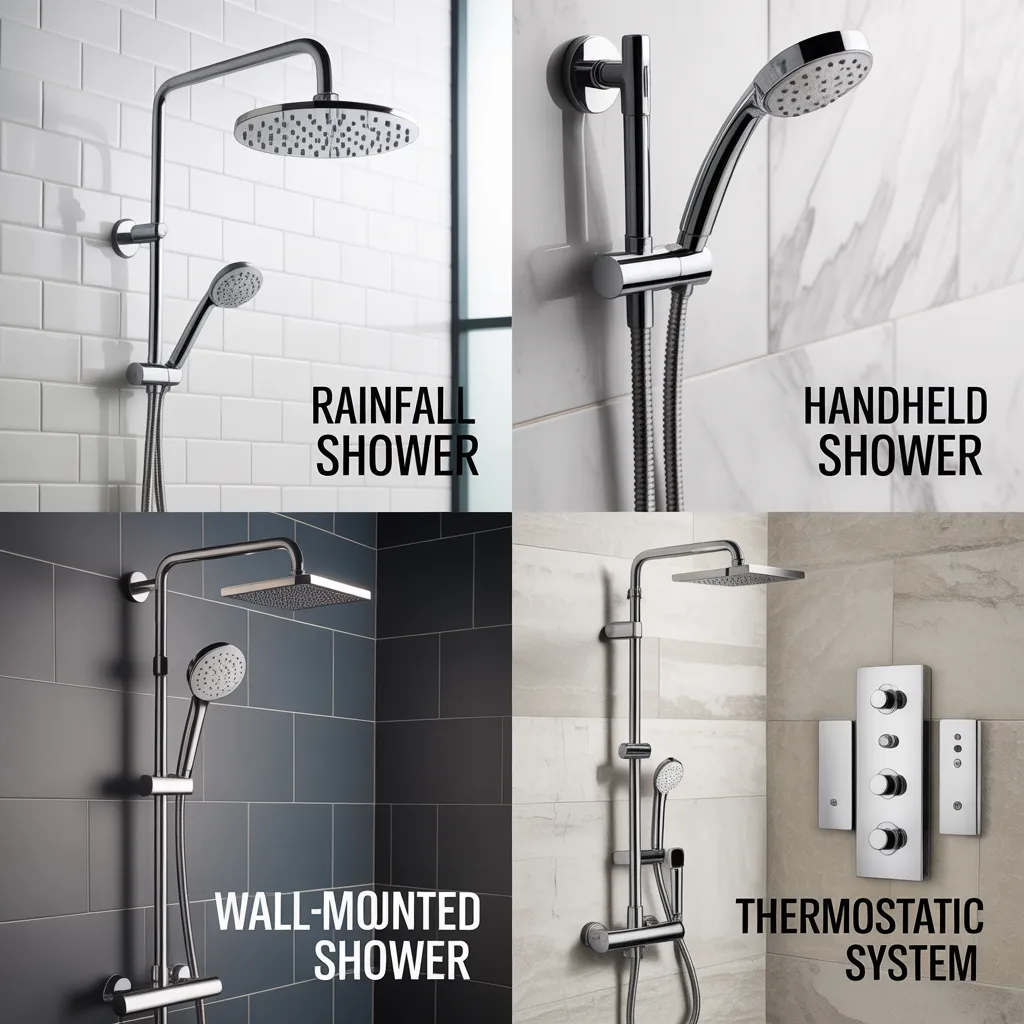
To fully understand what a shower system is and how it works, it’s important to know that not all shower systems are the same. Different types are designed to match various bathroom sizes, budgets, and comfort levels. Below are the most common types explained in a simple way.
Single Shower System
A single shower system is the most basic type. It typically includes one water outlet, such as a fixed shower head or a handheld shower.
This type works in a straightforward way—water flows through a single valve and comes out of one outlet. If you’re learning what a shower system is and how it works, this is the easiest version to understand and install.
Best for: Small bathrooms, budget-friendly setups, and simple needs.
Dual Shower System
A dual shower system features two water outlets, usually a combination of a rainfall showerhead and a handheld shower.
The system uses a diverter valve to switch water between the two outlets or run them simultaneously (depending on the model). This gives you more flexibility and a better overall shower experience.
Best for: Users who want both comfort and functionality without going fully luxurious.
Thermostatic Shower System
A thermostatic shower system is designed to maintain a constant water temperature, even when water pressure changes elsewhere in the house.
It uses a special thermostatic valve that automatically adjusts the mix of hot and cold water. This makes it safer and more comfortable, especially for families.
If you’re exploring what a shower system is and how it works, this type highlights how advanced systems can precisely control temperature.
Best for: Homes with children, safety-conscious users, and consistent comfort.
Digital Shower System
A digital shower system is the most advanced option. It allows you to control temperature, water flow, and even timing using a digital panel, remote, or mobile app.
Instead of manual valves, it uses electronic controls to deliver precise settings. Some models even let you pre-set your preferred shower temperature.
This type clearly demonstrates the modern evolution of what a shower system is and how it works, combining technology with convenience.
Best for: Smart homes, luxury bathrooms, and users who want full control.
Summary
Each type of shower system works slightly differently, but all follow the same basic principle—controlling water flow, temperature, and direction. Choosing the right type depends on your needs, budget, and the level of comfort you want in your daily routine.
Benefits of a Shower System
Understanding what a shower system is and how it works also helps you see why so many homeowners are upgrading to one. A shower system isn’t just about looks—it offers practical advantages that improve your daily routine.
1. Better Water Control
A shower system gives you precise control over both water temperature and flow. Unlike basic setups, advanced valves (especially thermostatic ones) keep the temperature steady, even if someone uses water elsewhere in the house. This means no sudden hot or cold shocks while showering.
2. Spa-Like Shower Experience
One of the biggest benefits is the luxury feel. With features like rainfall showerheads, handheld sprayers, and body jets, a shower system turns an ordinary shower into a relaxing, spa-like experience right at home.
3. Multiple Water Outlets
Shower systems allow you to use more than one water outlet. For example, you can switch between a rain shower and a handheld spray—or even use both at the same time. This flexibility makes showering more comfortable and convenient.
4. Improved Efficiency
Modern shower systems are designed to optimise water usage without sacrificing performance. Some systems maintain strong pressure while using less water, helping you save on utility bills over time.
5. Customisation Options
Another key advantage is customisation. You can choose different components based on your needs—such as adjustable spray settings, different showerhead styles, or even digital controls. This allows you to tailor the shower experience to your preferences.
6. Modern and Stylish Design
Shower systems add a sleek, contemporary look to any bathroom. Whether wall-mounted or concealed, they enhance the overall design and can increase the visual appeal of your space.
7. Increased Home Value
Upgrading to a shower system can make your bathroom more attractive to potential buyers. Since modern bathrooms are a major selling point, this upgrade can positively impact your home’s resale value.
In short, once you understand what a shower system is and how it works, it becomes clear that the benefits go beyond aesthetics—they offer better comfort, control, and functionality for everyday use.
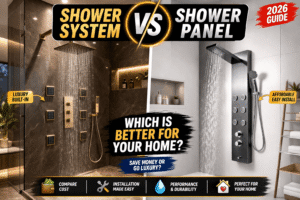
Shower System vs Regular Shower
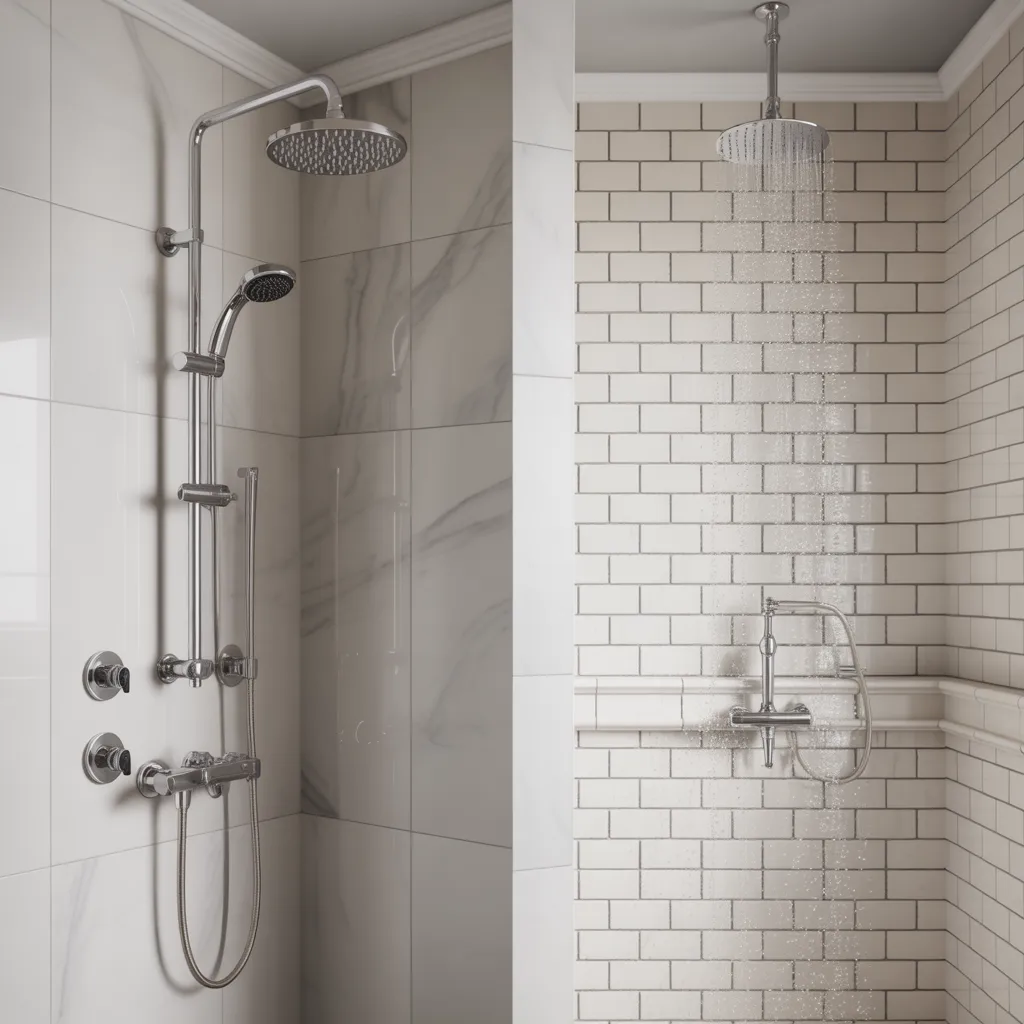
When learning what a shower system is and how it works, it’s important to understand how it compares to a regular shower. While both serve the same basic purpose, the experience, functionality, and control are very different.
A regular shower is a simple setup with a single showerhead connected directly to your water supply. In contrast, a shower system is a more advanced setup that includes multiple components like a valve, diverter, and sometimes multiple water outlets.
Here’s a clear breakdown of the key differences:
| Feature | Shower System | Regular Shower |
|---|---|---|
| Water Outlets | Multiple options (rainfall, handheld, body jets) | Single showerhead |
| Water Control | Advanced control with thermostatic or pressure-balancing valves | Basic hot and cold adjustment |
| User Experience | Spa-like and fully customizable | Simple and functional |
| Design | Modern, stylish, and premium | Traditional and minimal |
| Installation | More complex, may need plumbing upgrades | Easy and straightforward |
| Cost | Higher upfront investment | Budget-friendly |
Water Control and Functionality
One of the biggest differences lies in how water is controlled. A shower system allows you to manage temperature and flow more precisely, often maintaining a consistent temperature even when water is used elsewhere in the house. Regular showers usually don’t offer this level of control, which can lead to sudden temperature changes.
Number of Water Outputs
A regular shower typically has just one showerhead. On the other hand, a shower system can include multiple outlets such as a rainfall showerhead, handheld sprayer, and even body jets. This is a key part of understanding what a shower system is and how it works, as the diverter valve lets you switch between these outlets easily.
Overall Experience
If you’re looking for a simple and functional option, a regular shower does the job. But if comfort and customisation matter to you, a shower system delivers a more relaxing, spa-like experience with better coverage and flexibility.
Installation and Cost
Regular showers are easier and cheaper to install, making them ideal for quick upgrades or tight budgets. Shower systems, however, may require professional installation and a higher investment, especially if plumbing changes are needed.
Which One Should You Choose?
The right choice depends on your needs. If you want a basic, no-fuss solution, a regular shower is enough. But if you’re aiming for better performance, comfort, and modern design, a shower system is worth considering.
Understanding these differences makes it easier to grasp what a shower system is and how it works and helps you decide which option best fits your bathroom and lifestyle.
Is a Shower System Worth It?
If you’re wondering what a shower system is and how it works, the next logical question is whether it’s actually worth the investment. The answer depends on your budget, bathroom setup, and what kind of shower experience you want.
A shower system is worth it if you value comfort, convenience, and a more modern bathroom upgrade. Unlike a basic shower, it gives you better control over water temperature, multiple water outlets, and a more relaxing, spa-like feel. Features like rainfall shower heads, handheld sprayers, and body jets can significantly improve your daily routine.
However, it’s not for everyone. Shower systems usually cost more than standard setups and may require professional installation, especially if you choose a concealed or thermostatic system. If you’re working with a tight budget or a very small bathroom, a simple shower setup might be more practical.
When a Shower System Is Worth It
- You want a luxury or spa-like experience at home
- You’re remodelling or upgrading your bathroom
- You need better temperature and water flow control.
- You prefer multiple shower options (rainfall + handheld)
When It Might Not Be Worth It
- You’re on a limited budget.
- Your bathroom has low water pressure.
- You want a quick and simple installation
- You rarely use advanced shower features.
Final Verdict
A shower system is a worthwhile investment if you’re looking for long-term comfort and modern functionality. Once you understand what a shower system is and how it works, it becomes clear that it offers more than just basic water flow—it enhances your entire shower experience.
Installation Basics (Beginner Overview)
If you’re wondering what a shower system is and how it works, understanding the installation process helps connect everything together. A shower system is not just one fixture; it consists of multiple parts that need proper installation to regulate water flow, temperature, and pressure.
Wall-Mounted vs Concealed Installation
There are two main installation styles:
- Wall-mounted (exposed) systems
These are easier to install because all components—pipes, valves, and shower heads—are visible and mounted on the wall. They’re ideal for quick upgrades or DIY projects. - Concealed (built-in) systems
These are installed inside the wall, hiding pipes and valves for a clean, modern look. While they look better, they require more planning, wall cutting, and professional installation.
Plumbing Requirements
A shower system needs proper plumbing to function correctly. Since it often includes multiple outlets (like a rainfall head and handheld shower), your home must have:
- Adequate water pressure
- Proper hot and cold water supply lines
- Compatibility with the shower valve system
In some cases, older homes may need plumbing upgrades to support the system efficiently.
DIY vs Professional Installation
- DIY Installation
Possible with basic wall-mounted systems if you have plumbing knowledge and the right tools. It’s faster and more budget-friendly. - Professional Installation
Recommended for concealed or advanced systems (like thermostatic or digital). A professional ensures correct pipe connections, leak prevention, and proper water pressure balance.
Basic Installation Steps (Simplified)
Here’s how a typical installation works:
- Turn off the main water supply
- Install or adjust the shower valve inside the wall
- Connect water supply lines (hot and cold)
- Mount the shower components (head, hose, jets)
- Test the system for leaks and proper function
Final Tip
Installation plays a big role in how well your system performs. Even if you fully understand what a shower system is and how it works, poor installation can lead to leaks, uneven water pressure, or temperature issues. When in doubt, hiring a professional can save time and prevent costly mistakes.
Common Problems and Maintenance Tips
Even a high-quality shower system can develop issues over time if it isn’t properly maintained. Understanding the most common problems—and how to fix or prevent them—can help you keep your system working smoothly for years.
Low Water Pressure
One of the most frequent issues in a shower system is weak water flow. This usually happens due to mineral buildup inside the shower head or clogged filters in the valve. In some cases, the problem may also come from low household water pressure.
Maintenance tip: Clean your shower head regularly by soaking it in vinegar to remove limescale. If your system has a filter, check and clean it every few months.
Uneven or Fluctuating Water Temperature
If your shower suddenly turns too hot or too cold, the mixing valve may not be working correctly. This is a common issue in both basic and advanced setups of a shower system, and how it works becomes important to understand here since the valve controls the balance of hot and cold water.
Maintenance tip: Make sure the thermostatic valve is calibrated correctly. If problems continue, it may need servicing or replacement.
Leaking Shower System Components
Leaks can occur around the shower head, hose, or valve connections. This is usually caused by worn-out washers or loose fittings.
Maintenance tip: Tighten all connections and replace rubber washers if they appear damaged. Regular inspection helps prevent bigger plumbing issues.
Clogged Shower Head Nozzles
Over time, mineral deposits from hard water can block the small holes in the shower head, reducing spray quality.
Maintenance tip: Remove the shower head and soak it in a vinegar-water solution for a few hours. Use a soft brush to clear any remaining residue.
Noisy or Vibrating Pipes
If you hear banging or rattling sounds when using your shower system, it may be due to air trapped in the pipes or loose fittings.
Maintenance tip: Check pipe fittings for stability and ensure proper water pressure levels. If the issue continues, a plumber may need to inspect the system.
Regular Maintenance for Long-Term Performance
To keep your shower system and how it works efficiently:
- Clean shower heads every 1–2 months
- Check for leaks regularly
- Inspect valves and hoses every few months
- Avoid harsh chemical cleaners that can damage finishes.
By staying on top of these simple maintenance steps, you can ensure your shower system continues to deliver consistent performance, strong water flow, and a comfortable bathing experience without unexpected issues.
How to Choose the Right Shower System
When deciding on the right option for your bathroom, it helps to first understand what a shower system is and how it works, because the right choice depends on how its components manage water flow, temperature, and output. Once you understand that, selecting the best system becomes much easier.
1. Check Your Water Pressure
Different shower systems require different water pressure levels.
- If your home has low pressure, avoid overly complex multi-jet systems.
- For strong pressure, you can enjoy rainfall and body jets without issues.
- Always match the system to your plumbing capacity.
2. Consider Your Bathroom Size
The size of your bathroom directly affects your choice:
- Small bathrooms: compact or single-outlet systems work best
- Medium to large bathrooms: dual- or multi-function systems are ideal
- Make sure the installation space fits all components comfortably
3. Choose Between Basic and Advanced Features
Shower systems range from simple to luxury setups:
- Basic systems: fixed shower head with simple temperature control
- Advanced systems: handheld shower, rainfall head, and diverters
- Smart systems: digital temperature control and presets
The more advanced the system, the more control you get over your shower experience.
4. Focus on Temperature Control
If comfort is important, consider a thermostatic shower system. It maintains a steady temperature, even if water pressure changes. This is especially useful for families and safer for children.
5. Material and Build Quality Matter
Look for durable materials like the following:
- Brass valves for long life
- Stainless steel or high-quality ABS for shower heads
- Anti-corrosion coatings for moisture resistance
A well-built system will last longer and require less maintenance.
6. Decide on Installation Type
- Exposed systems are easier to install and maintain.
- Concealed systems look modern but require professional installation.
Choose based on your budget and renovation flexibility.
7. Match It With Your Budget
Shower systems come in a wide price range. Instead of going for the most expensive option, focus on what fits your needs. A mid-range system often provides the best balance of performance and durability.
Choosing the right shower system becomes simple once you understand your space, water pressure, and usage needs. And when you clearly understand what a shower system is and how it works, you can confidently pick a system that improves both comfort and functionality in your bathroom.
FAQs
What is a shower system, and how does it work?
A shower system is a complete bathing setup that combines multiple components like a shower head, valve, and sometimes body jets to control water flow, temperature, and direction. It works by regulating water through a central valve, which mixes hot and cold water, and then directing it to different outlets, such as a rainfall showerhead or handheld spray, using a diverter.
What is the difference between a shower system and a regular shower?
A regular shower usually has a single shower head with basic water control. A shower system, on the other hand, offers multiple features like different spray modes, better temperature control, and sometimes multiple outlets for a more customisable experience.
Do shower systems improve water pressure?
A shower system does not directly increase water pressure, but it can improve how water is distributed. Some modern systems are designed to optimise flow, making the shower feel more powerful and consistent even with standard household pressure.
Can I install a shower system myself?
Some basic shower systems can be installed as a DIY project if you have plumbing knowledge. However, more advanced or concealed systems usually require professional installation to ensure proper setup and avoid leaks or performance issues.
Are shower systems expensive to run?
Not necessarily. Most shower systems use the same water supply as a regular shower. However, systems with multiple outlets may use slightly more water depending on usage, so efficiency depends on how you use them.
How long does a shower system last?
A good-quality shower system can last 10–20 years with proper maintenance. Regular cleaning and checking for mineral buildup or leaks can significantly extend its lifespan.
Conclusion
Understanding what a shower system is and how it works makes it clear why it has become a popular choice in modern bathrooms. A shower system is more than just a shower head—it is a complete setup that controls water temperature, pressure, and flow through different components like valves, diverters, and multiple outlets.
It works by mixing hot and cold water through a central valve and directing it to the selected shower feature, giving you a more comfortable and customisable bathing experience. Whether you choose a basic setup or a more advanced thermostatic or digital system, the goal is the same—better control and a more enjoyable shower.
If you are planning a bathroom upgrade, a shower system can add both convenience and a touch of luxury. The key is to choose the right type based on your space, water pressure, and budget.