Introduction
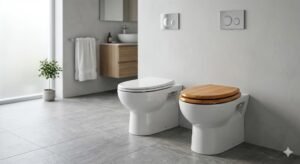
Toilet seat materials explained is an important topic for anyone planning to upgrade or replace their bathroom toilet seat. The material you choose directly affects comfort, durability, hygiene, and even the overall look of your bathroom.
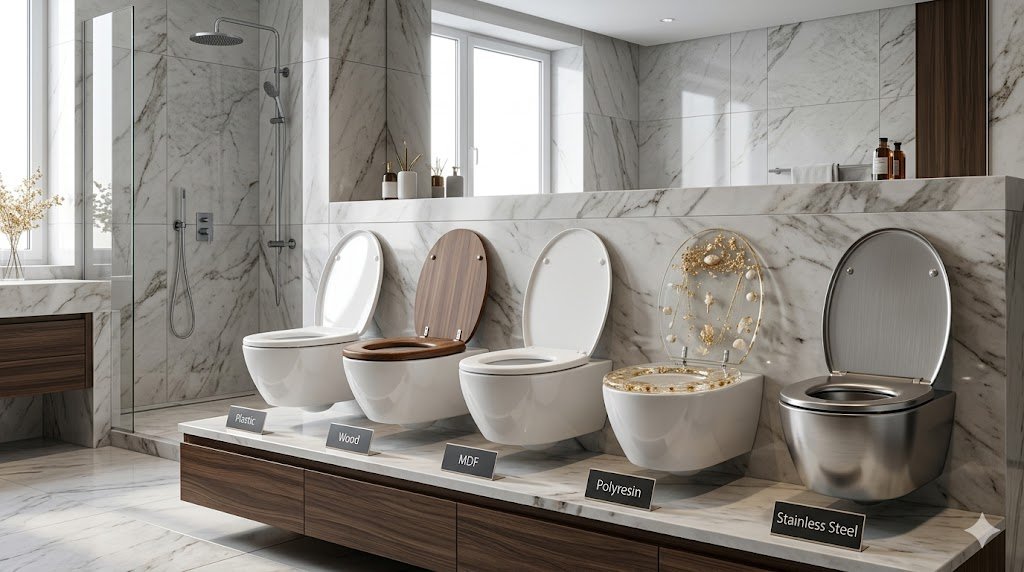
With so many options available today—such as plastic, wood, MDF, polyresin, and stainless steel—it can be confusing to decide which one is best. Each material comes with its own advantages and limitations, depending on usage and environment.
In this guide, you’ll learn everything about different toilet seat materials in a simple and clear way, so you can confidently choose the right one for your needs.
Table of Contents
Why Toilet Seat Material Matters
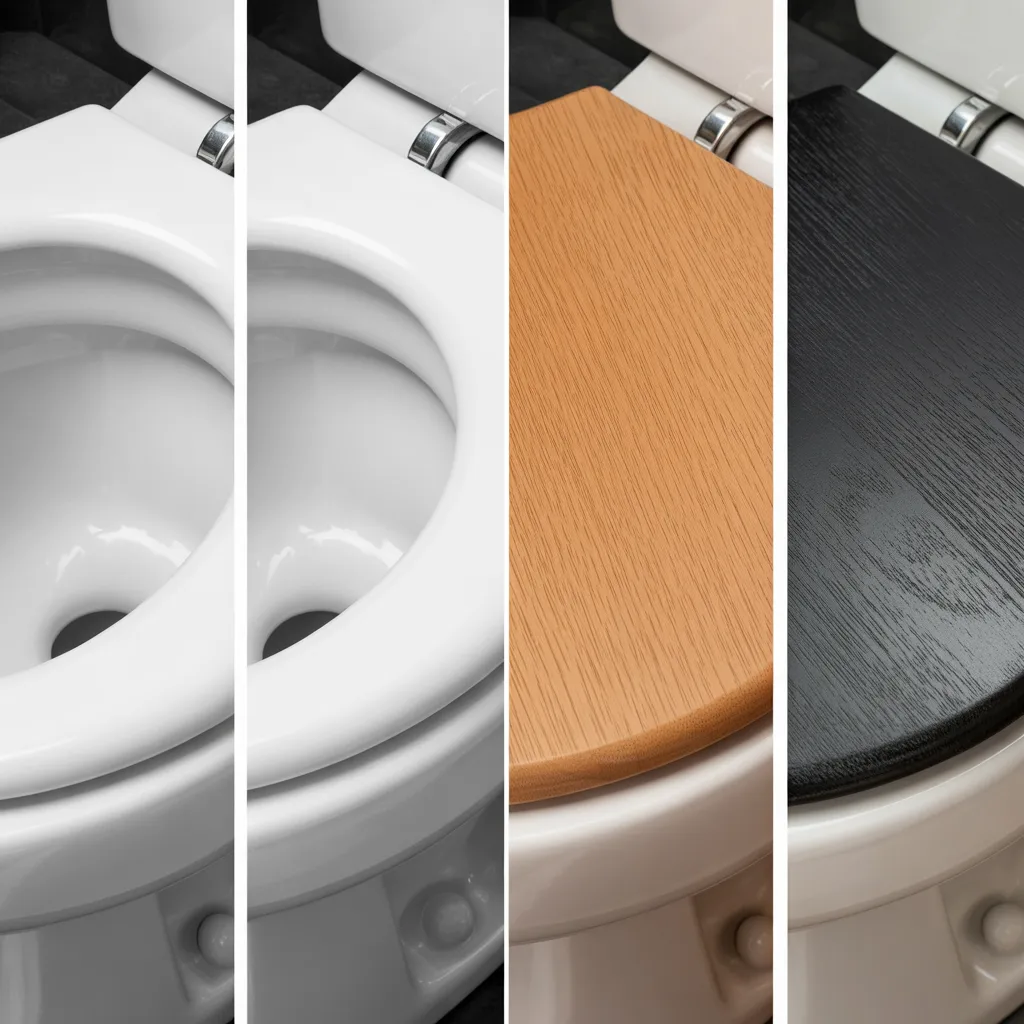
When learning about toilet seat materials explained, it becomes clear that the material you choose plays a much bigger role than most people expect. It directly affects comfort, hygiene, durability, and even how easy your bathroom is to maintain.
Different materials respond differently to moisture, temperature changes, and daily use. For example, some materials stay warm and comfortable, while others may feel cold or become uncomfortable in winter. This small detail can significantly impact your everyday experience.
Hygiene is another important factor. Certain materials are non-porous, meaning they do not absorb moisture or bacteria easily, making them easier to clean and more sanitary. On the other hand, porous materials may require more care to keep them fresh and odour-free over time.
Durability also varies depending on the material. Some toilet seats resist scratches, stains, and cracks better, which helps them last longer and maintain their appearance. Others may wear out faster if exposed to heavy use or harsh cleaning products.
Cost is also connected to material choice. While some options are budget-friendly, others are more expensive but offer better comfort and lifespan.
In short, understanding toilet seat materials explained helps you avoid poor choices and ensures you select a seat that matches your comfort needs, bathroom conditions, and budget.
Main Types of Toilet Seat Materials Explained
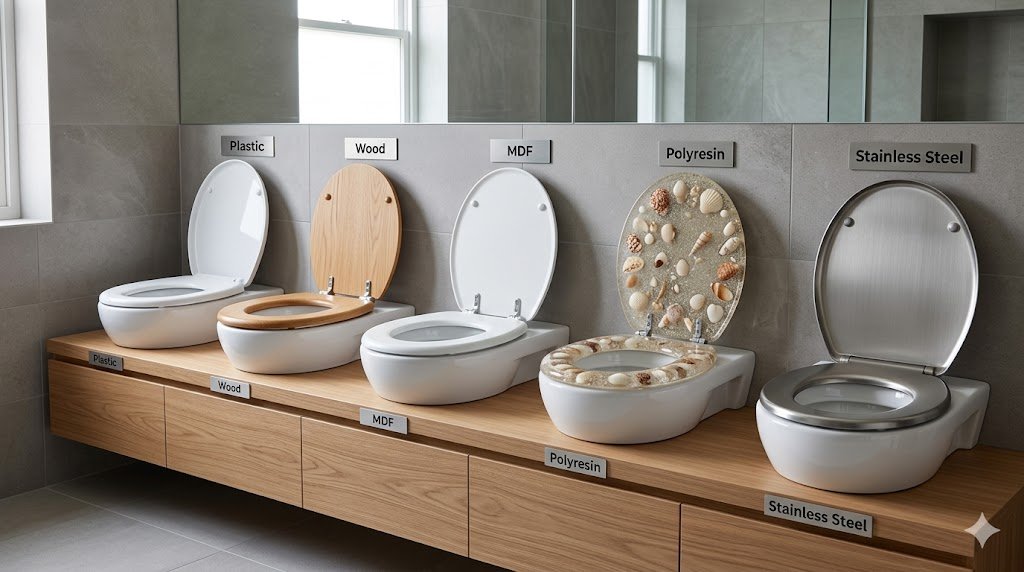
Understanding the different options is the key part of toilet seat materials explained because each material affects comfort, durability, hygiene, and overall bathroom experience in a different way. Below are the most common toilet seat materials you will find in the market and what makes each one unique.
Plastic Toilet Seats (Thermoplastic & Urea-Formaldehyde)
Plastic is the most widely used material for toilet seats due to its affordability and practicality. It is lightweight, easy to install, and simple to clean, making it a popular choice for most households.
Thermoplastic seats are flexible and resistant to cracks, while urea-formaldehyde seats are harder, more rigid, and often have a glossy finish.
However, plastic seats can scratch over time and may lose their shine with heavy use. Still, they remain the most budget-friendly and low-maintenance option.
Wooden Toilet Seats
Wooden toilet seats offer a more natural and premium look compared to plastic. They are usually made from solid wood or moulded wood with a protective coating.
These seats feel sturdy and comfortable, adding a warm aesthetic to the bathroom. However, they require more care because moisture can damage the surface over time if the coating wears off.
Wooden seats are best suited for dry or well-ventilated bathrooms where moisture exposure is limited.
MDF (Medium Density Fibreboard) Toilet Seats
MDF seats are made from compressed wood fibres and are covered with a protective layer for a smooth finish. They are often designed to look like real wood but come at a lower cost.
They offer a good balance between price and appearance, making them a common mid-range option.
The main drawback is that MDF can swell or get damaged if water seeps into the core, so proper sealing and maintenance are important.
Polyresin Toilet Seats
Polyresin seats are known for their decorative and stylish designs. They can include printed patterns, textures, or artistic finishes, making them popular for modern bathrooms.
These seats are durable and visually appealing, but they are usually heavier and more expensive than standard plastic options.
They are ideal for users who prioritise bathroom aesthetics along with functionality.
Stainless Steel Toilet Seats
Stainless steel toilet seats are the most durable option and are typically used in commercial or public restrooms.
They are extremely strong, hygienic, and resistant to damage, but they are not commonly used in homes due to their cold surface and higher cost.
While not focused on comfort, they excel in environments where durability and hygiene are top priorities.
Each of these materials has its own strengths and limitations, and choosing the right one depends on your budget, bathroom conditions, and personal preference.
Comparison of Toilet Seat Materials
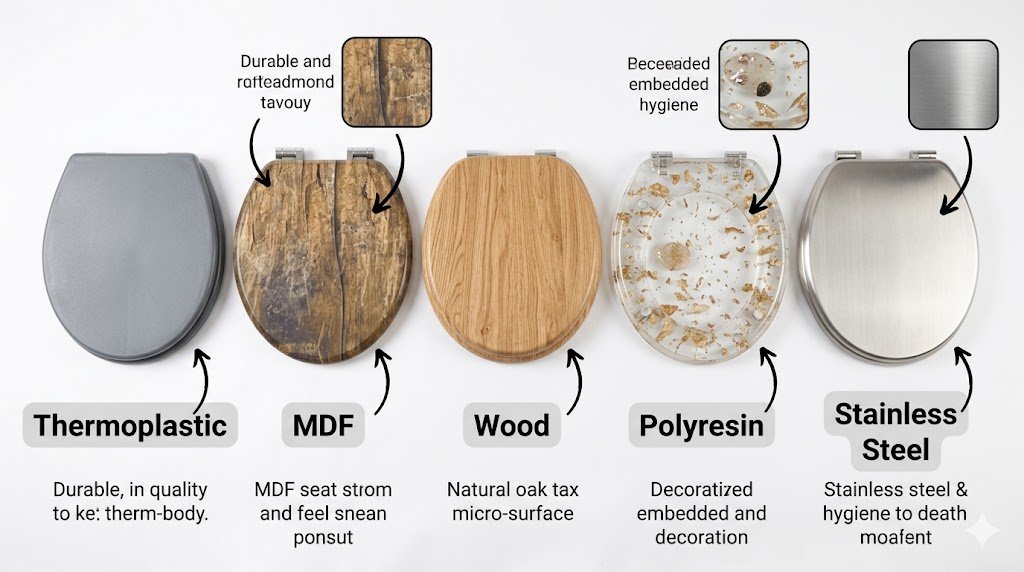
When looking at different toilet seat materials explained, it becomes clear that each option performs differently in terms of durability, comfort, maintenance, and price. Understanding these differences helps you choose the right option for your bathroom needs.
Plastic (Thermoplastic / Urea-Formaldehyde)
- Durability: Medium
- Comfort: Good
- Maintenance: Very easy to clean
- Price: Low to medium
- Best for: Everyday home use and budget bathrooms
Plastic toilet seats are the most commonly used because they are affordable and simple to maintain. However, they can scratch or fade over time with heavy use.
Wooden Toilet Seats
- Durability: High (with proper care)
- Comfort: Very good
- Maintenance: Requires regular care against moisture
- Price: Medium to high
- Best for: Stylish or traditional bathrooms
Wooden seats provide a solid and premium feel. They improve bathroom aesthetics but need protection from water and humidity to avoid damage.
MDF Toilet Seats
- Durability: Medium
- Comfort: Good
- Maintenance: Moderate
- Price: Budget-friendly
- Best for: Decorative and cost-conscious bathrooms
MDF seats offer a wooden look at a lower price. However, they are not ideal for humid environments because they can swell when exposed to moisture.
Polyresin Toilet Seats
- Durability: High
- Comfort: Good
- Maintenance: Easy
- Price: High
- Best for: Modern and luxury bathrooms
Polyresin seats are designed for style and durability. They are more expensive but provide a high-end appearance and strong performance.
Stainless Steel Toilet Seats
- Durability: Very high
- Comfort: Low to medium
- Maintenance: Very easy
- Price: High
- Best for: Public or commercial bathrooms
Stainless steel is the most durable material but is less comfortable for home use. It is mainly used where strength and hygiene are top priorities.
Quick Comparison Summary
In terms of toilet seat materials explained, plastic is the most practical choice; wood focuses on design and comfort; MDF balances cost and appearance; polyresin offers luxury; and stainless steel delivers maximum durability. The best option depends on your budget, usage, and bathroom environment.
Which Toilet Seat Material Is Best for You?
When looking at toilet seat materials explained, the “best” option is not the same for everyone. It depends on your bathroom type, budget, and how much maintenance you are willing to do. Below is a simple breakdown to help you choose the right material for your needs.
For Budget-Friendly Buyers
If you want something affordable and practical, plastic toilet seats are the best choice. They are widely available, easy to clean, and work well for everyday home use. This option is ideal if you want low cost without much maintenance.
For Comfort and Home Use
If comfort matters more to you, wooden toilet seats are a better option. They feel warmer and more solid compared to plastic. They are suitable for family bathrooms where comfort and appearance are both important.
For Stylish or Decorative Bathrooms
If your focus is design and aesthetics, MDF or polyresin toilet seats are good choices. MDF gives a wooden look at a lower price, while polyresin offers more premium and decorative designs. These options are best for modern or luxury interiors.
For High-Durability Needs
If you need maximum strength and long-lasting performance, stainless steel toilet seats are the most durable option. They are commonly used in public or commercial spaces where heavy usage is expected.
For Humid or High-Moisture Bathrooms
In bathrooms with high humidity or frequent water exposure, plastic or polyresin seats perform best. They resist moisture better than wood or MDF, which can get damaged over time.
Final Choice Tip
Based on the toilet seat materials explained, the best material is the one that matches your daily usage, environment, and budget. Instead of focusing only on appearance or price, consider durability and maintenance to make the right long-term choice.
Factors to Consider Before Choosing a Toilet Seat Material
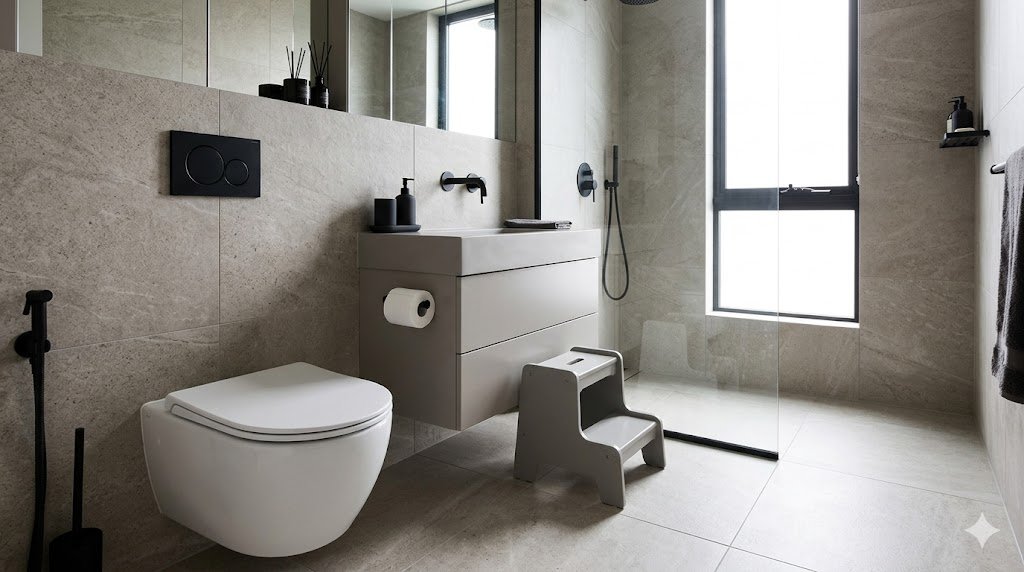
When exploring toilet seat materials, it’s important to understand that the right choice is not only about appearance. Different materials perform differently depending on your bathroom conditions and daily usage. Below are the key factors you should consider before making a decision.
Bathroom Moisture and Humidity
Bathrooms with high humidity or poor ventilation can damage certain materials over time. For example, wood and MDF may absorb moisture and swell, while plastic and stainless steel handle humid conditions much better.
Durability and Lifespan
Think about how long you want the toilet seat to last. If you want long-term durability, materials like stainless steel or high-quality polyresin are better options. For short to medium-term use, plastic or MDF may be enough.
Comfort and Daily Use
Comfort plays a big role in everyday experience. Wooden seats often feel warmer and more comfortable, while stainless steel can feel cold. Plastic and polyresin offer a balanced comfort level for most users.
Cleaning and Maintenance
Some materials are easier to maintain than others. Plastic and stainless steel are simple to clean and resist stains, while wood and MDF require more care to prevent damage from water and cleaning chemicals.
Budget and Cost
Price is another important factor. Plastic seats are usually the most affordable, while polyresin and stainless steel tend to be more expensive. Choosing the right material often means balancing cost with quality and durability.
Bathroom Style and Design
The look of your bathroom also matters. If you want a modern or luxury design, polyresin or wooden seats may fit better. For simple and functional bathrooms, plastic is usually the best match.
Compatibility with Toilet Type
Not all seats fit every toilet. Before buying, make sure the material and shape are compatible with your toilet bowl type (round, elongated, or smart toilet systems).
Final Thought
In summary, when studying toilet seat materials explained, the best choice depends on balancing environment, comfort, maintenance, and budget. There is no single perfect option—only the one that best fits your specific needs.
Common Mistakes People Make When Choosing Materials
When understanding toilet seat materials is explained, many buyers still end up making simple mistakes that affect comfort, durability, and long-term satisfaction. Choosing the wrong material often leads to issues like frequent replacements, poor hygiene, or damage from moisture.
One common mistake is focusing only on price. While cheaper options like basic plastic or MDF seats may look attractive, they may not always last long or perform well in humid bathroom conditions. A slightly higher investment in a better material can save money in the long run.
Another mistake is ignoring moisture resistance. Bathrooms are naturally humid environments, and materials like untreated wood or low-quality MDF can absorb moisture, leading to swelling, cracks, or weakening over time.
Many people also overlook maintenance needs. For example, wooden toilet seats require regular care, while stainless steel and thermoplastic options are much easier to maintain. Not considering cleaning habits can make daily use frustrating.
Compatibility is another issue that is often ignored. Not all toilet seats fit every toilet shape, and choosing the wrong size or hinge type can lead to instability or improper installation, even if the material itself is good.
Lastly, people sometimes ignore hinge quality and assume only the seat material matters. However, weak hinges can reduce lifespan and cause discomfort during use, regardless of how good the material is.
In short, toilet seat materials explained properly show that the right choice is not just about appearance or cost but about matching the material to your bathroom conditions, usage needs, and maintenance expectations.
Maintenance Tips for Different Toilet Seat Materials
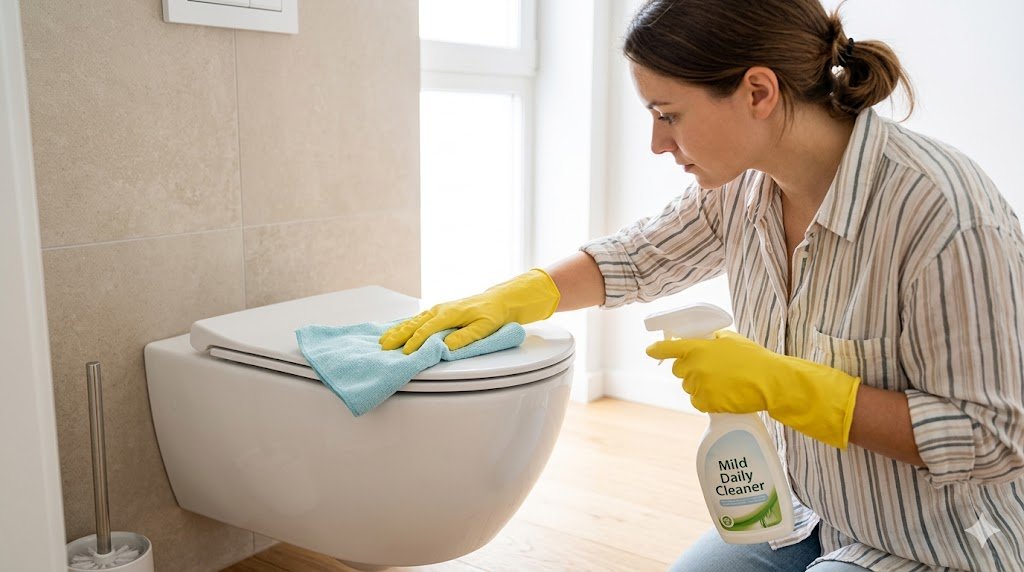
When understanding toilet seat materials explained, it is not enough to only know their types—you also need to know how to maintain them properly. Each material requires different care to keep it clean, durable, and long-lasting.
Plastic Toilet Seats
Plastic seats are the easiest to maintain. Wash them frequently using gentle soap and lukewarm water to keep them clean. Avoid using harsh chemicals or abrasive scrubbers because they can cause scratches and dull the surface over time. Disinfecting once or twice a week helps maintain hygiene without damaging the material.
Wooden Toilet Seats
Wood requires more careful handling. Always wipe it with a damp cloth instead of soaking it with water. Use gentle, non-acidic cleaners to avoid damaging the finish. It is also important to dry the surface immediately after cleaning to prevent moisture absorption, swelling, or cracking.
MDF Toilet Seats
MDF needs similar care to wood but is even more sensitive to moisture. Avoid excess water completely and clean it using a slightly damp cloth only. Never use strong chemicals, as they can weaken the surface layer. Keeping the bathroom well-ventilated will help extend its lifespan.
Polyresin Toilet Seats
Polyresin is durable and low-maintenance. Regular cleaning with mild detergent is enough to keep it in good condition. It is resistant to stains, but still avoid abrasive cleaners to protect its decorative surface and finish.
Stainless Steel Toilet Seats
Stainless steel is the easiest to maintain in terms of hygiene. Clean it with a soft cloth and a non-corrosive cleaner to prevent water spots and fingerprints. Drying it after cleaning helps maintain its shine and prevents streaking.
Final Note on Maintenance
As seen in the toilet seat materials explained, proper maintenance plays a key role in extending the life of any toilet seat. No matter which material you choose, regular cleaning and using the right products will keep it functional, hygienic, and visually appealing for years.
FAQs
Which toilet seat material lasts the longest?
The longest-lasting materials are stainless steel and high-quality plastic (thermoplastic or urea-formaldehyde). Stainless steel offers maximum durability, while premium plastic provides a strong balance of durability and comfort for home use.
Which toilet seat material offers the highest level of comfort?
Wooden toilet seats are often considered the most comfortable because they feel warmer and more solid. However, high-quality plastic seats also provide good comfort and are more practical for everyday use.
What type of toilet seat material requires the least effort to keep clean?
Plastic toilet seats require the least effort to keep clean and hygienic. They have a smooth surface that resists stains and can be cleaned quickly with mild bathroom cleaners. Polyresin is also easy to maintain but is more expensive.
Are wooden toilet seats hygienic?
Yes, wooden toilet seats are hygienic when properly sealed and maintained. However, they require more care than plastic because moisture can damage untreated or low-quality wood over time.
Which toilet seat material is best for humid bathrooms?
For humid environments, plastic and polyresin are the best choices. They resist moisture better than wood or MDF, which can swell or get damaged when exposed to constant humidity.
Why is it important to understand toilet seat materials explained before buying?
Understanding toilet seat materials explained helps you choose a seat that matches your budget, comfort needs, and bathroom conditions. It prevents common mistakes like choosing a material that wears out quickly or doesn’t suit your environment.
Conclusion
Choosing the right toilet seat becomes much easier when you clearly understand toilet seat materials explained in detail. Each material has its own purpose, whether it is affordability, durability, comfort, or style.
Plastic seats are the most practical and budget-friendly, making them ideal for everyday use. Wooden seats offer a premium look and better comfort but need more care. MDF provides a cost-effective decorative option, while polyresin focuses on modern design and luxury. Stainless steel stands out for maximum durability, especially in commercial settings.
In the end, there is no single “best” material for everyone. The right choice depends on your bathroom environment, budget, and personal preference. By comparing the options carefully, you can select a toilet seat that performs well and lasts longer in your specific conditions.
If you want a complete guide on toilet seats and how to choose the right one for your bathroom, check out our latest detailed post for expert insights and easy buying tips.