Introduction
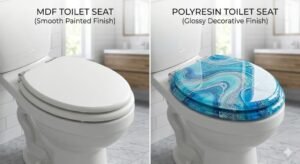
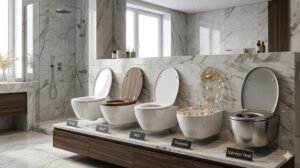
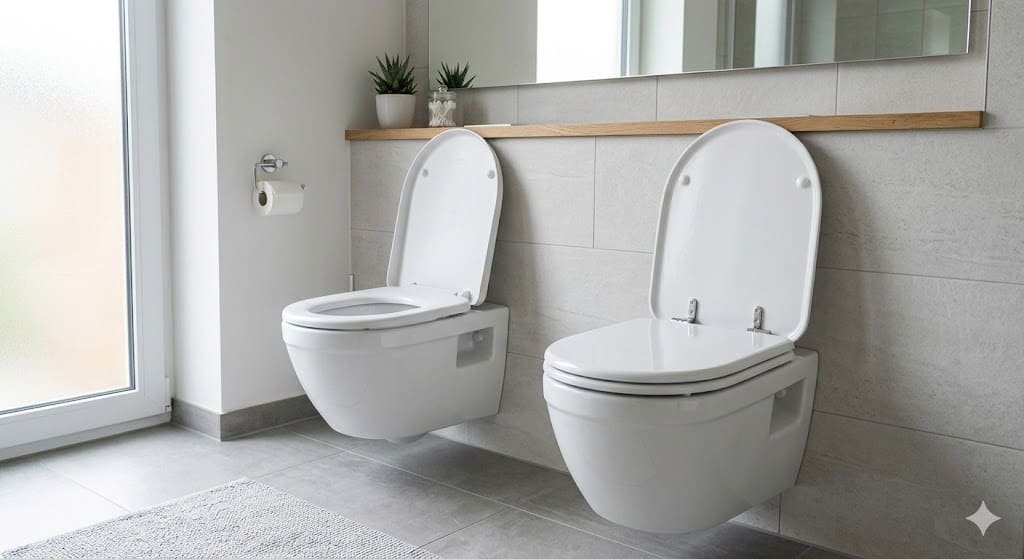
A plastic vs MDF toilet seat is a common comparison for anyone looking to upgrade or replace their bathroom fittings. Both materials are widely used, but they offer very different levels of comfort, durability, appearance, and maintenance needs.
In this guide, we will break down the key differences between plastic and MDF toilet seats to help you understand which option is best for your bathroom, budget, and daily use.
Table of Contents
What Is a Plastic Toilet Seat?
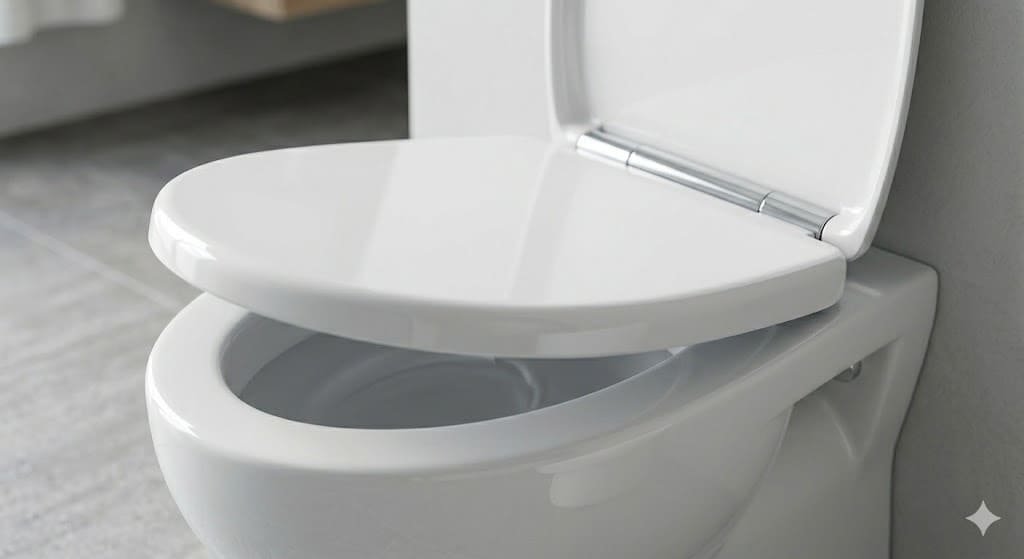
A plastic toilet seat is one of the most commonly used toilet seat types in modern bathrooms. When discussing plastic vs MDF toilet seats, plastic seats are usually considered the more budget-friendly and practical option. They are made from different types of plastic materials and are widely used due to their lightweight structure, affordability, and ease of maintenance.
Types of Plastic Used in Toilet Seats (PP, Urea-Formaldehyde, etc.)
Plastic toilet seats are made using different materials, each with its own performance level:
- Polypropylene (PP):
A lightweight and cost-effective plastic. It is flexible, easy to mould, and commonly used in budget toilet seats. - Urea-Formaldehyde (UF):
A harder, more durable plastic that feels closer to ceramic. It has a glossy finish and is more scratch-resistant than PP. - Thermoset Plastic
A strong, rigid material that resists bending and is often used in mid-range to premium toilet seats.
Each type of plastic affects the durability, comfort, and overall quality when comparing plastic vs MDF toilet seat options.
Key Features of Plastic Toilet Seats
Plastic toilet seats come with several practical features:
- Lightweight and easy to handle
- Smooth, non-porous surface
- Resistant to most common household cleaners
- Available in various shapes and sizes (round, elongated, soft-close versions)
- Quick installation and replacement
These features make plastic a popular choice in the Plastic vs MDF toilet seat comparison, especially for everyday household use.
Advantages of Plastic Toilet Seats
Plastic toilet seats offer several clear benefits:
- Lightweight: Easy to lift, install, and clean without effort
- Affordable: Generally cheaper than MDF and other premium materials
- Easy to clean: Smooth surface prevents dirt buildup and supports quick cleaning
Because of these advantages, plastic is often preferred in budget-friendly bathroom setups.
Disadvantages of Plastic Toilet Seats
Despite their benefits, plastic toilet seats also have some limitations:
- Can crack under pressure: Lower-quality plastic may break with heavy use or impact.
- May discolour over time: Frequent cleaning and exposure to chemicals can cause fading or yellowing
These drawbacks are important to consider when evaluating plastic vs MDF toilet seats, especially for long-term durability and aesthetics.
What Is an MDF Toilet Seat?
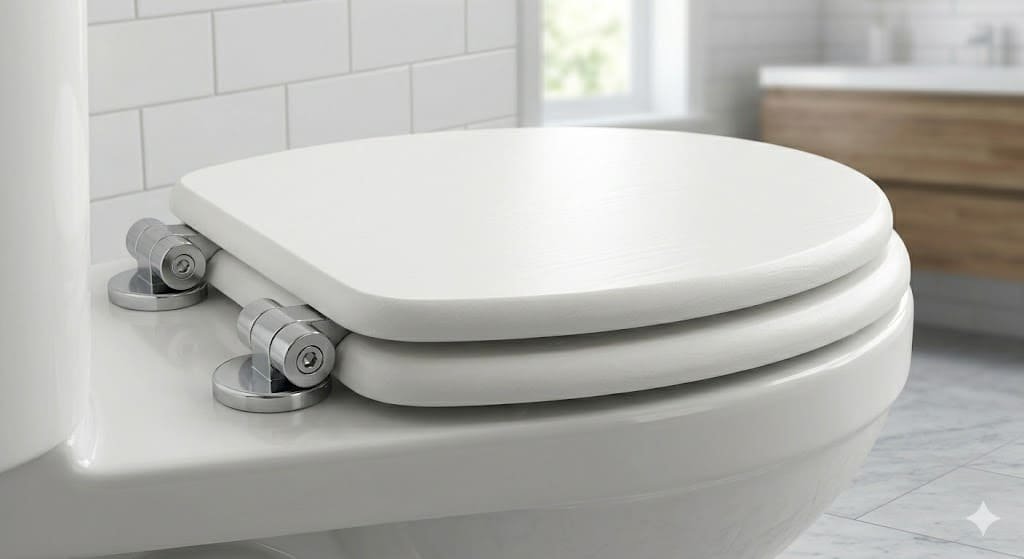
An MDF toilet seat is a type of toilet seat made from medium-density fibreboard (MDF), a strong engineered wood material. In the context of plastic vs MDF toilet seats, MDF seats are usually considered more premium because they offer a solid feel, attractive finish, and better seating comfort compared to basic plastic options.
These seats are widely used in modern bathrooms where appearance and comfort are just as important as functionality.
How MDF Toilet Seats Are Made
MDF toilet seats are manufactured using compressed wood fibres combined with resin under high pressure and heat. This process creates a dense, rigid board that is then:
- Shaped and moulded to match standard toilet seat designs
- Coated with multiple layers of waterproof paint or lacquer
- Finished with a smooth, glossy surface for protection and style
- Fitted with metal or strong plastic hinges for installation
The outer protective layer plays a major role in the Plastic vs MDF toilet seat comparison, as it shields the MDF material from water exposure and helps extend the seat’s lifespan.
Key Features of MDF Toilet Seats
MDF toilet seats are known for their solid construction and premium feel.
- Dense and rigid structure
- Smooth, painted or glossy finish
- Heavier and more stable than plastic seats
- Comfortable surface temperature compared to thin plastic
- Available in stylish designs and colours
These features make MDF a strong competitor in the plastic vs MDF toilet seat debate, especially for users focused on comfort and aesthetics.
Advantages of MDF Toilet Seats
MDF toilet seats offer several important benefits:
- Solid and sturdy feel: Feels more stable and less flexible during use
- Premium appearance: A glossy finish gives a modern and high-end look
- Comfortable seating: Slightly warmer and more comfortable than thin plastic seats
Because of these benefits, MDF seats are often chosen for upgraded or stylish bathroom designs when comparing plastic vs MDF toilet seat options.
Disadvantages of MDF Toilet Seats
Even though MDF seats are premium, they do have some drawbacks:
- Sensitive to moisture if coating is damaged: If water penetrates the surface, the material can swell or get damaged.
- Heavier than plastic: Makes installation and handling slightly more difficult
These disadvantages are important to consider in the Plastic vs MDF toilet seat comparison, especially for bathrooms with high humidity or heavy daily use.
Plastic vs MDF Toilet Seats: Key Differences
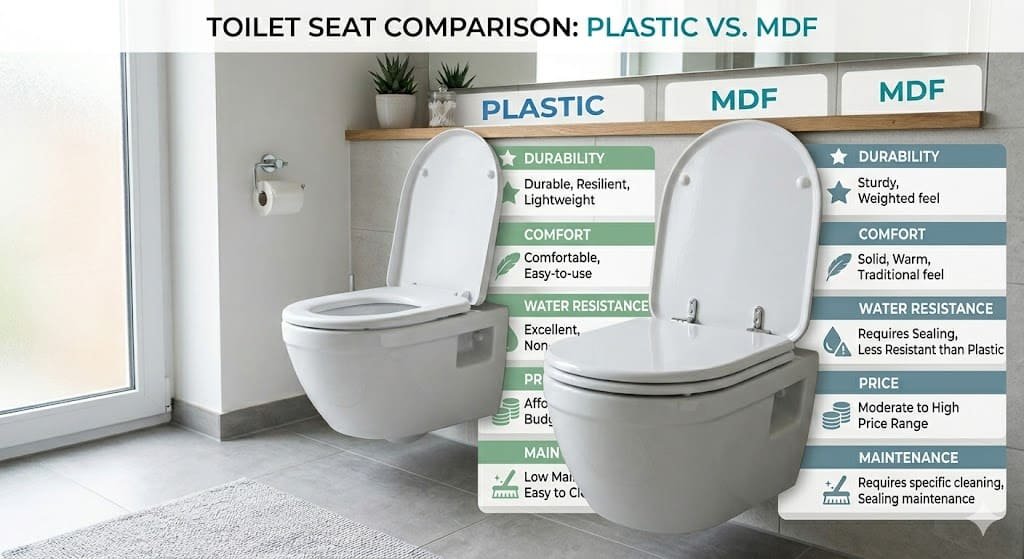
When comparing plastic vs MDF toilet seats, the main differences come down to durability, comfort, water resistance, maintenance, and price. Understanding these factors helps you choose the right option for your bathroom needs.
Durability Comparison
Plastic toilet seats are generally flexible and can handle everyday use, but lower-quality versions may crack under heavy pressure. MDF toilet seats, on the other hand, feel more solid and sturdy, giving a premium experience. However, they can get damaged if moisture penetrates the coating.
Comfort Comparison
In terms of comfort, MDF seats usually perform better. They feel more stable and slightly warmer than thin plastic seats. Plastic seats can feel lighter and less solid, especially in budget models, which is an important point in the plastic vs MDF toilet seat comparison.
Water Resistance Comparison
Plastic toilet seats are naturally water-resistant because they are non-porous. MDF seats rely on an outer protective coating to resist moisture. If that coating is damaged, MDF can absorb water and get swollen or ruined.
Maintenance and Cleaning
Plastic toilet seats are easier to maintain since they are fully waterproof and resistant to most cleaning chemicals. MDF seats require more careful cleaning because harsh chemicals or excess water can damage the surface over time.
Price Comparison
Plastic toilet seats are usually more affordable and widely available, making them a budget-friendly option. MDF toilet seats are more expensive due to their premium look, solid structure, and finishing quality.
Overall, the Plastic vs MDF toilet seat differences show that plastic is better for practicality and low maintenance, while MDF is better for comfort and a premium bathroom appearance.
Plastic vs MDF Toilet Seats: Which One Is More Durable?
When comparing plastic vs MDF toilet seats, durability is one of the most important factors to consider. Both materials can last for years, but their performance depends on usage, environment, and maintenance.
Plastic Toilet Seat Durability
Plastic toilet seats are generally flexible and resistant to everyday wear and tear. High-quality plastic options, especially those made from urea-formaldehyde or thermoset materials, can last a long time without major issues.
However, in the plastic vs MDF toilet seat comparison, plastic seats may show some weaknesses over time:
- Cheaper plastic can crack under heavy pressure or impact.
- Surface scratches may appear with frequent use.
- Long-term exposure can lead to slight discolouration
Overall, plastic performs well in normal household conditions but may struggle under rough or heavy usage.
MDF Toilet Seat Durability
MDF toilet seats are built with a dense structure that provides a firm and durable feel during everyday use. Their dense structure gives them better resistance to bending and flexing compared to plastic.
In the Plastic vs MDF toilet seat durability comparison:
- MDF feels more stable and is less likely to deform during use
- A strong outer coating protects the core material from damage
- However, if the coating is chipped or damaged, moisture can enter and weaken the seat.
So while MDF is strong in daily use, its durability depends heavily on maintaining the protective surface layer.
Final Durability Comparison
In the plastic vs MDF toilet seat debate, both materials have different strengths:
- Plastic: Better resistance to moisture and safer in wet environments
- MDF: Stronger, more solid feel but vulnerable if exposed to water damage
Conclusion: Plastic is generally more durable in high-moisture bathrooms, while MDF offers better structural strength and comfort if properly maintained.
Which Toilet Seat Is More Comfortable? Plastic or MDF?
When comparing plastic vs MDF toilet seats, comfort is one of the most important factors for most users. Both materials offer different comfort levels depending on design, thickness, and quality, but there are clear differences between them.
Comfort of Plastic Toilet Seats
Plastic toilet seats are usually thinner and lighter. Basic plastic models can feel slightly firm or less stable, especially in lower-quality versions. However, higher-quality plastic seats made from materials like urea-formaldehyde can offer a smoother and more comfortable surface. They are also less heavy, which makes them easier to adjust during use.
Comfort of MDF Toilet Seats
MDF toilet seats are generally considered more comfortable in the plastic vs MDF toilet seat comparison. They have a solid, sturdy feel that provides better stability when sitting. The thicker structure also makes them feel warmer and more supportive compared to thin plastic seats. Many users prefer MDF for longer sitting comfort because it feels less “hollow” and flexible.
Final Comfort Comparison
Overall, MDF toilet seats usually win in terms of comfort due to their solid build and premium feel. However, high-quality plastic seats can still provide good comfort, especially for users who prefer lightweight and easy-to-handle options.
In the plastic vs MDF toilet seat debate, your choice depends on whether you value a firm, premium seating experience (MDF) or a lightweight, practical design (plastic).
Plastic vs MDF Toilet Seats: Which Is Better for Bathrooms with High Moisture?
When comparing plastic vs MDF toilet seats, moisture resistance is one of the most important factors—especially in bathrooms that are frequently wet, poorly ventilated, or used by multiple people daily.
In high-moisture environments, the constant exposure to steam, water splashes, and humidity can significantly affect the lifespan and performance of a toilet seat.
Plastic Toilet Seats in High-Moisture Bathrooms
Plastic toilet seats generally perform better in wet conditions.
- They are naturally water-resistant because plastic does not absorb moisture.
- They do not swell, rot, or get damaged by humidity.
- Easy to wipe dry after cleaning or splashes
This makes plastic a more practical choice in the Plastic vs MDF toilet seat comparison for bathrooms with high moisture levels, such as shared family bathrooms or small spaces with poor ventilation.
However, lower-quality plastic may still develop surface wear or discolouration over time, but it won’t suffer structural damage from water exposure.
MDF Toilet Seats in High-Moisture Bathrooms
MDF toilet seats are more sensitive to moisture and require extra care.
- They rely on a protective coating to block water exposure.
- If the coating cracks or wears out, moisture can seep into the core material.
- This can lead to swelling, peeling, or permanent damage.
In the plastic vs MDF toilet seat comparison, MDF is less suitable for high-humidity bathrooms unless it is very well-maintained and properly sealed.
Final Verdict for Moisture-Prone Bathrooms
For bathrooms with high moisture levels, plastic toilet seats are usually the safer and more durable option. They require less maintenance and are less likely to be damaged by water exposure.
MDF toilet seats, on the other hand, are better suited for dry or well-ventilated bathrooms where their premium look and comfort can be preserved for longer.
In short, when evaluating plastic vs MDF toilet seats, plastic clearly performs better in wet and humid conditions.
Which One Should You Choose: a Plastic or MDF Toilet Seat?
When comparing plastic vs MDF toilet seats, the best choice depends on your bathroom conditions, budget, and personal preferences. Both materials have clear strengths, so the right option varies from user to user.
If you are looking for a budget-friendly and low-maintenance option, a plastic toilet seat is usually the better choice. It works well for everyday use, especially in homes where ease of cleaning and affordability are the main priorities. Plastic seats are also ideal for bathrooms with high moisture levels because they are naturally water-resistant.
On the other hand, if you prefer a more premium look and a stronger seating feel, an MDF toilet seat may be the better option. It offers a solid, comfortable experience and enhances the overall appearance of the bathroom. This makes it a good choice for modern or upgraded bathroom designs.
In the plastic vs MDF toilet seat decision, MDF is best suited for users who prioritise comfort and aesthetics, while plastic is better for practicality, durability in wet environments, and cost savings.
Ultimately, your choice should depend on whether you value affordability and convenience (plastic) or style and comfort (MDF).
Expert Buying Tips for Choosing Between a Plastic vs MDF Toilet Seat
When selecting between a plastic vs MDF toilet seat, the best choice depends on your bathroom conditions, budget, and usage needs. Here are some expert tips to help you make the right decision.
First, always consider the bathroom environment. If your bathroom has high moisture or poor ventilation, a plastic toilet seat is usually a safer option. MDF seats look premium, but they must stay well-sealed to prevent water damage.
Next, think about durability and usage frequency. For busy households or commercial bathrooms, plastic seats are often more practical because they handle frequent use and cleaning better. MDF seats are better suited for moderate, controlled use where appearance is a priority.
You should also check the quality of materials and coating. In MDF toilet seats, a strong waterproof coating is essential to protect against swelling or damage. In plastic seats, thicker materials like urea-formaldehyde or thermoset plastic offer better long-term performance in the plastic vs MDF toilet seat comparison.
Another important factor is comfort and design preference. MDF seats generally feel more solid and comfortable, with a smoother, more premium finish. Plastic seats, while simpler, are lighter and easier to handle.
Finally, consider your budget and maintenance needs. Plastic toilet seats are usually more affordable and easier to maintain, while MDF seats may cost more but offer a more stylish bathroom appearance.
By evaluating these factors carefully, you can choose the right option in the Plastic vs MDF toilet seat comparison based on your personal needs and bathroom conditions.
FAQs
1. Which is better, a plastic vs MDF toilet seat?
Both have their own benefits. In the Plastic vs MDF toilet seat comparison, plastic is better for affordability and moisture resistance, while MDF is better for comfort and premium appearance.
2. Which toilet seat lasts longer, plastic or MDF?
Generally, high-quality plastic toilet seats can last longer because they are fully water-resistant. MDF seats can also last long, but only if their protective coating remains intact in the plastic vs MDF toilet seat comparison.
3. Is an MDF toilet seat waterproof?
MDF toilet seats are not fully waterproof. In the Plastic vs MDF toilet seat comparison, MDF is moisture-resistant only when its outer coating is undamaged. If water seeps in, it can cause swelling or damage.
4. Which is easier to clean: a plastic or an MDF toilet seat?
Plastic toilet seats are easier to clean because they are non-porous and fully water-resistant. MDF seats also clean well, but they require more care to avoid damaging the coating in the plastic vs MDF toilet seat comparison.
5. Which is more comfortable: a plastic vs MDF toilet seat?
MDF toilet seats are usually more comfortable due to their solid and slightly warmer surface. Plastic seats can feel thinner and less stable depending on quality in the plastic vs MDF toilet seat comparison.
Conclusion
Choosing between a plastic vs MDF toilet seat depends mainly on your needs, budget, and bathroom environment.
If you want something affordable, lightweight, and highly resistant to moisture, a plastic toilet seat is the more practical choice. It is ideal for everyday use, easy maintenance, and humid bathrooms where water exposure is frequent.
On the other hand, if you prefer a more premium look, solid feel, and added comfort, an MDF toilet seat is a better option. It enhances bathroom aesthetics and provides a sturdier seating experience, but it requires more care to avoid moisture damage.
In short, the plastic vs MDF toilet seat decision comes down to balance:
- Choose plastic for durability in wet conditions and low cost.
- Choose MDF for style, comfort, and a high-end finish
By understanding these differences, you can confidently select the toilet seat that best fits your bathroom needs and long-term expectations.
If you want a complete guide on Toilet Seat Materials Explained and how to choose the right one for your bathroom, check out our latest detailed post for expert insights and easy buying tips.