Introduction
How to clean and maintain toilet seats is an important part of keeping your bathroom hygienic, fresh, and comfortable to use. Since toilet seats are used daily, they can quickly collect germs, stains, and odours if not cleaned properly. With the right cleaning methods and regular maintenance, you can easily keep them in good condition and extend their lifespan. In this guide, you will learn simple and effective ways to clean and maintain toilet seats for better hygiene at home.
Table of Contents
Why Cleaning Toilet Seats Regularly Is Important
Understanding how to clean and maintain toilet seats is essential for keeping your bathroom hygienic and safe. Toilet seats are one of the most frequently used surfaces in any home, which means they can quickly collect germs, bacteria, and stains if not cleaned regularly.
One of the main reasons for regular cleaning is health protection. A dirty toilet seat can become a breeding ground for harmful bacteria that may cause infections or unpleasant illnesses. By following proper cleaning habits, you reduce the risk of spreading germs to other family members.
Another important reason is odour control. When toilet seats are not cleaned properly, residue and moisture can lead to bad smells in the bathroom. Regular cleaning keeps your bathroom fresh and more comfortable to use.
Knowing how to clean and maintain toilet seats also helps in extending their lifespan. Dirt buildup and harsh stains can damage the surface over time, especially in plastic or wooden seats. Routine cleaning prevents long-term wear and keeps the seat looking new.
Lastly, a clean toilet seat improves overall home hygiene and appearance. It reflects good maintenance habits and ensures a healthier environment for everyone in the household.
Types of Toilet Seat Materials and Their Cleaning Needs
When learning how to clean and maintain toilet seats, it is important to understand that not all toilet seats are made from the same material. Each type requires a slightly different cleaning approach to avoid damage and ensure long-lasting use.
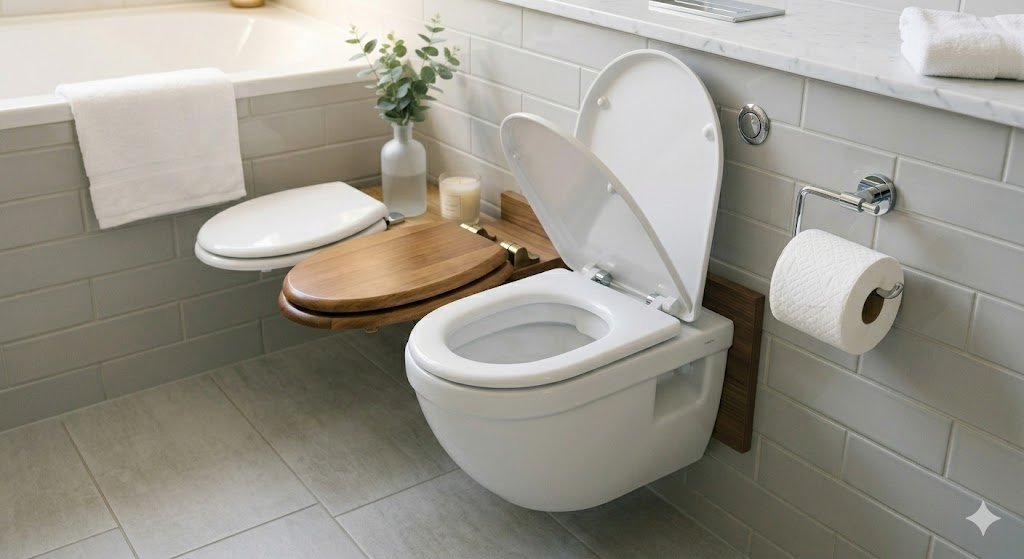
Plastic Toilet Seats
Plastic seats are the most common and easiest to maintain. When focusing on how to clean and maintain toilet seats, plastic ones can usually be cleaned with mild soap and warm water or a gentle disinfectant. Avoid using harsh scrubbers or strong chemicals, as they can cause scratches or discolouration.
Wooden Toilet Seats
Wooden seats need extra care because they are sensitive to moisture. As part of how to clean and maintain toilet seats, it is best to use a soft cloth with a mild cleaning solution. Do not immerse them in water, since too much moisture may cause swelling, cracking, or harm to the surface coating.
Soft-Close or Coated Toilet Seats
These modern seats often come with special coatings or slow-closing mechanisms. When applying how to clean and maintain toilet seat practices, use non-abrasive cleaners and a soft cloth to protect the coating. Strong chemicals or rough scrubbing can reduce their smooth finish and affect performance over time.
Understanding these material differences is key to properly following how to clean and maintain toilet seats and ensuring they stay hygienic, durable, and visually clean for years.
How to Clean Toilet Seats Step-by-Step
Knowing how to clean and maintain toilet seats properly is important for keeping your bathroom hygienic and fresh. A simple step-by-step routine can make the process quick and effective without damaging the seat.
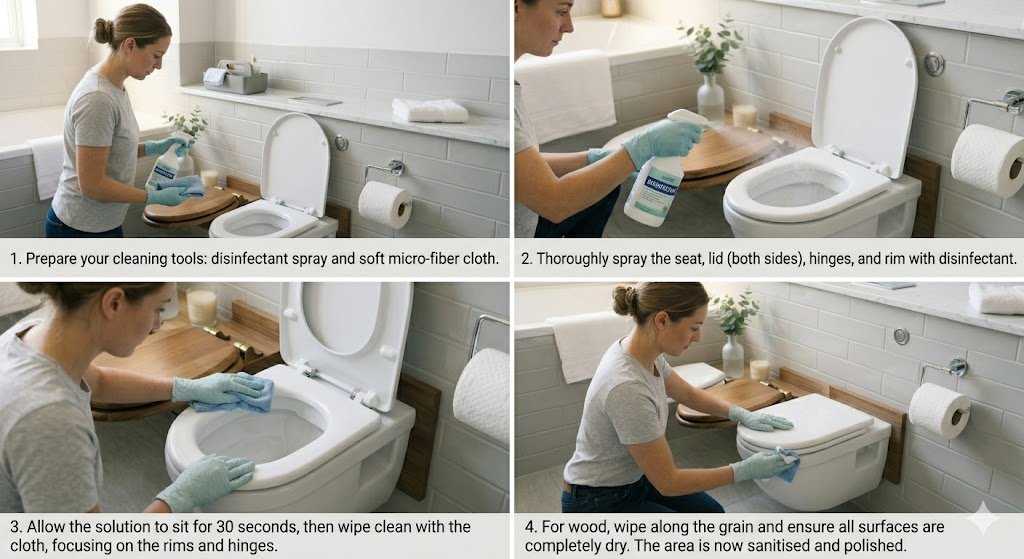
Step 1: Prepare Your Cleaning Supplies
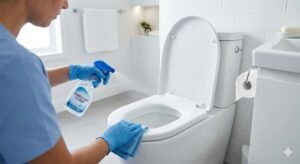
Start by gathering basic items like a mild disinfectant, warm water, a soft cloth or sponge, and disposable gloves. Choosing the right supplies is an important part of how to clean and maintain toilet seats safely.
Step 2: Wipe the Surface.
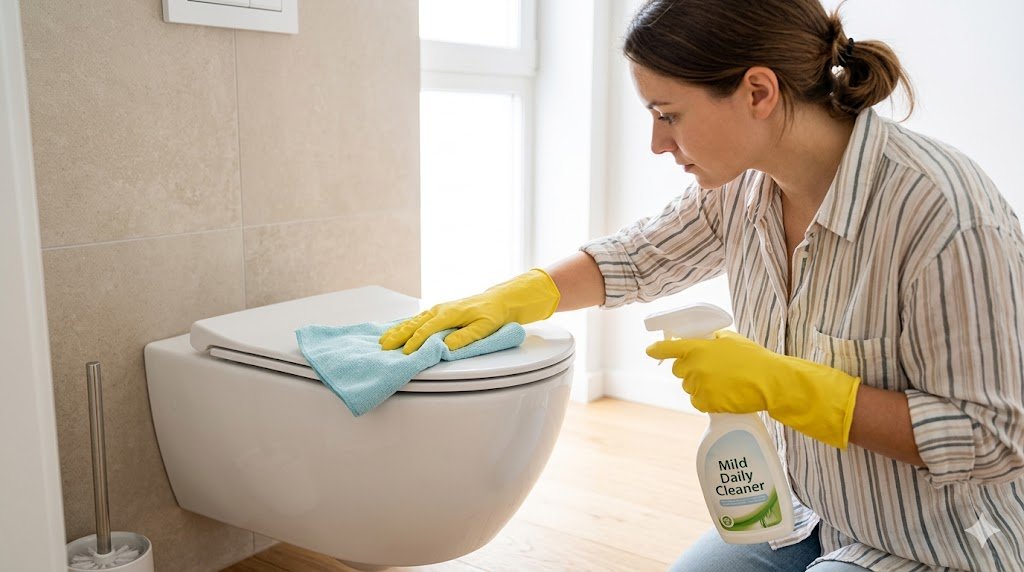
Gently wipe the entire toilet seat, including the top, bottom, and edges. This removes dust, stains, and surface germs. Avoid using rough scrubbers that may scratch the surface.
Step 3: Apply Disinfectant
Spray or apply a suitable disinfectant evenly across the seat. Let it sit for a few minutes so it can kill bacteria effectively. This step is essential in how to clean and maintain toilet seats for proper hygiene.
Step 4: Clean the Hinges and Edges
Dirt often builds up around hinges and hidden corners. Use a small brush or cloth to clean these areas thoroughly. Many people overlook this step when learning how to clean and maintain toilet seats, but it is very important.
Step 5: Rinse and Dry
Finally, wipe the seat with clean water and dry it with a soft cloth. Keeping the surface dry prevents bacteria growth and helps maintain the material’s quality.
Following these simple steps regularly ensures you understand how to clean and maintain toilet seats effectively while keeping your bathroom clean, safe, and fresh.
Best Cleaning Products for Toilet Seats
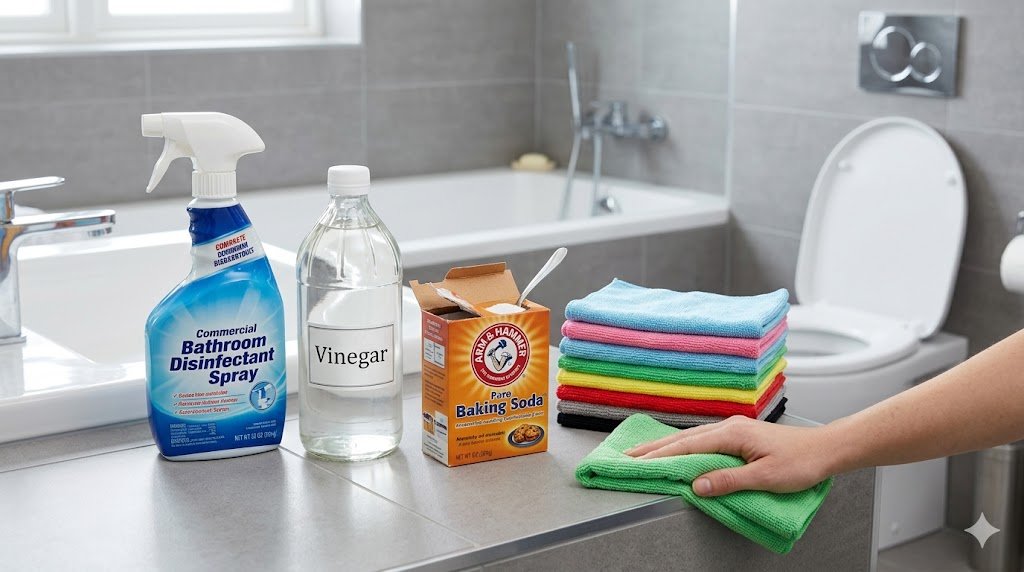
When learning how to clean and maintain toilet seats, choosing the right cleaning products is just as important as the cleaning method itself. The right products help remove germs, stains, and odours while also protecting the material of the seat.
A mild disinfectant cleaner is one of the safest and most effective options. These cleaners are designed to kill bacteria and sanitise surfaces without causing damage or discolouration. Many bathroom disinfectants are specifically formulated for toilets and can be used safely on plastic, ceramic, and coated seats.
For tougher stains and deep cleaning, a toilet bowl cleaner or bathroom disinfectant liquid can be used carefully on the seat exterior. Powerful bathroom cleaners such as Harpic-style products are effective at eliminating stains and killing germs, but they must be applied according to instructions and not allowed to sit for extended periods to prevent damage to surfaces.
If you want a more eco-friendly way to clean and maintain toilet seats, common household products such as white vinegar and baking soda can be highly effective as well. Vinegar helps break down bacteria and odours, while baking soda provides gentle scrubbing action for stains. However, these natural solutions are best for regular maintenance rather than heavy disinfection.
It is also important to avoid harsh chemicals and abrasive cleaners, as they can scratch the surface or weaken the material over time. Products containing strong acids or rough scrubbing particles should only be used when absolutely necessary.
By selecting the right cleaning products, you make cleaning and maintaining toilet seats easier, safer, and more effective, ensuring long-lasting hygiene and durability.
How to Maintain Toilet Seats for Long-Term Use
Understanding how to clean and maintain toilet seats is not only about regular cleaning but also about proper maintenance that keeps them in good condition for years. A few simple habits can significantly extend the life of your toilet seat and keep it looking new.
One of the most important maintenance steps is to avoid excessive force or pressure. Sitting or leaning heavily on the seat can cause cracks or loosen the fittings over time. Always use it gently to prevent unnecessary damage.
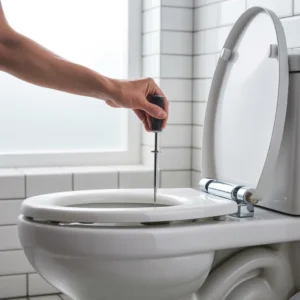
Another key part of how to clean and maintain toilet seats is keeping the hinges and screws tight. Loose fittings can make the seat unstable and uncomfortable. Regularly check and tighten them if needed to ensure proper alignment and stability.
It is also important to keep the seat dry after cleaning. Constant moisture can weaken certain materials, especially wooden seats, and may lead to discolouration or odour buildup. Wiping the seat dry after each cleaning helps maintain its durability.
Using mild cleaning products instead of harsh chemicals also plays a big role in long-term care. Strong chemicals can damage the surface finish and reduce the lifespan of the seat. Gentle cleaning ensures the material stays smooth and intact.
By following these simple maintenance habits, you can effectively apply how to clean and maintain toilet seats in a way that keeps your toilet seat hygienic, sturdy, and long-lasting.
Common Mistakes to Avoid When Cleaning Toilet Seats
When learning how to clean and maintain toilet seats, avoiding common mistakes is just as important as following the right cleaning steps. Small errors can reduce hygiene, damage the seat, or shorten its lifespan.
One major mistake is using harsh scrubbers or abrasive pads. These can scratch the surface of the toilet seat, especially plastic or coated ones, making them harder to clean in the future. A soft cloth or sponge is always a safer choice.
Another common error in how to clean and maintain toilet seats is using too much strong chemical cleaner. Although disinfectants play an important role, using strong bleach or acidic cleaners too often may gradually damage the material and lead to fading or discoloration. Always apply cleaning products in the correct, recommended quantity.
Many people also forget to clean hidden areas like hinges and edges. Dirt and bacteria often build up in these spots, even if the main surface looks clean. Ignoring them reduces overall hygiene.
A frequent mistake is not drying the seat after cleaning. Leaving moisture on the surface can encourage bacterial growth and may damage wooden seats or metal fittings.
Finally, some users mix different cleaning chemicals, thinking it will improve results. In reality, this can create harmful fumes and damage the seat surface.
By avoiding these mistakes, you can properly apply how to clean and maintain toilet seats and ensure better hygiene, safety, and long-term durability.
Natural Home Remedies for Cleaning Toilet Seats
If you prefer chemical-free options, there are several effective home remedies that can help you follow how to clean and maintain toilet seats in a safe and natural way. These methods are simple, affordable, and easy to use with ingredients commonly found at home.
One of the most popular solutions is white vinegar and water. Mixing equal parts vinegar and water creates a natural disinfectant that helps kill germs and remove light stains. Spray it on the seat, let it sit for a few minutes, then wipe it clean with a soft cloth. This is a simple and effective way to practise how to clean and maintain toilet seats naturally.
Another useful remedy is baking soda paste. Mix baking soda with a small amount of water to form a paste, then gently apply it to stained areas. It works as a mild abrasive that helps lift dirt without scratching the surface. After scrubbing lightly, rinse and dry the seat.
Lemon juice is also a great natural cleaner. It helps remove odours and leaves the toilet seat smelling fresh. It also has mild antibacterial properties, making it a good option for regular maintenance.
These natural methods are especially helpful for daily or light cleaning. While they may not replace strong disinfectants for deep cleaning, they are a safe and eco-friendly part of how to clean and maintain toilet seats for everyday hygiene.
How Often Should You Clean Toilet Seats?
Knowing how to clean and maintain toilet seats also includes understanding how frequently they should be cleaned to ensure proper hygiene and long-term durability. The cleaning frequency depends on daily use, but a consistent routine is always recommended.
For daily use, the toilet seat should be wiped at least once a day using a mild disinfectant or cleaning wipe. This helps remove germs, prevent stains, and maintain a fresh bathroom environment. Regular daily cleaning is a key part of how to clean and maintain toilet seats effectively.
A deep cleaning should be done once a week. This includes thoroughly cleaning the entire seat, hinges, and hidden areas where dirt can accumulate. Weekly cleaning ensures that bacteria do not build up over time and keeps the seat in good condition.
If the toilet is used by many people or in a shared household, you may need to clean it more frequently, especially in high-traffic bathrooms. In such cases, wiping the seat multiple times a day may be necessary for better hygiene.
By following a proper cleaning schedule, you can easily incorporate how to clean and maintain toilet seats into your daily routine, ensuring a cleaner, safer, and more hygienic bathroom environment.
FAQs
What is the safest way to disinfect a toilet seat?
The safest way to follow how to clean and maintain toilet seats is by using a mild disinfectant or diluted vinegar solution. Apply it with a soft cloth, let it sit for a few minutes, then wipe and dry the surface properly.
Can bleach damage toilet seats?
Yes, bleach can damage certain materials if used too often or in high concentration. When practising how to clean and maintain toilet seats, it is better to use diluted bleach occasionally or choose gentler cleaners to avoid discolouration or surface damage.
How do you remove stubborn stains from a toilet seat?
For tough stains, a baking soda paste or a gentle bathroom cleaner works well. Apply it carefully, let it sit for a short time, and gently scrub with a soft sponge. This is an effective method for how to clean and maintain toilet seats without harming the surface.
What is the best material for easy cleaning?
Plastic toilet seats are generally the easiest to clean and maintain. They are smooth and non-porous and respond well to regular cleaning, making how to clean and maintain toilet seats much simpler compared to other materials like wood.
How often should toilet seats be replaced?
With proper care and following how to clean and maintain toilet seats, a good-quality seat can last for several years. However, if you notice cracks, discolouration, or loose fittings, it may be time to replace it.
Conclusion
Understanding how to clean and maintain toilet seats is essential for keeping your bathroom hygienic, fresh, and long-lasting. With regular cleaning, the right products, and proper maintenance habits, you can easily prevent bacteria buildup, avoid bad odours, and extend the life of your toilet seat.
By sticking to easy daily cleaning habits, performing a thorough weekly clean, and steering clear of common errors, you can maintain good hygiene and long-lasting durability with minimal effort. Whether you prefer chemical products or natural solutions, regular consistency is what delivers the best results.
In short, practising how to clean and maintain toilet seats regularly not only improves bathroom cleanliness but also creates a healthier environment for everyone at home.
If you want a complete guide on toilet seats and how to choose the right one for your bathroom, check out our latest detailed post for expert insights and easy buying tips.