
Introduction
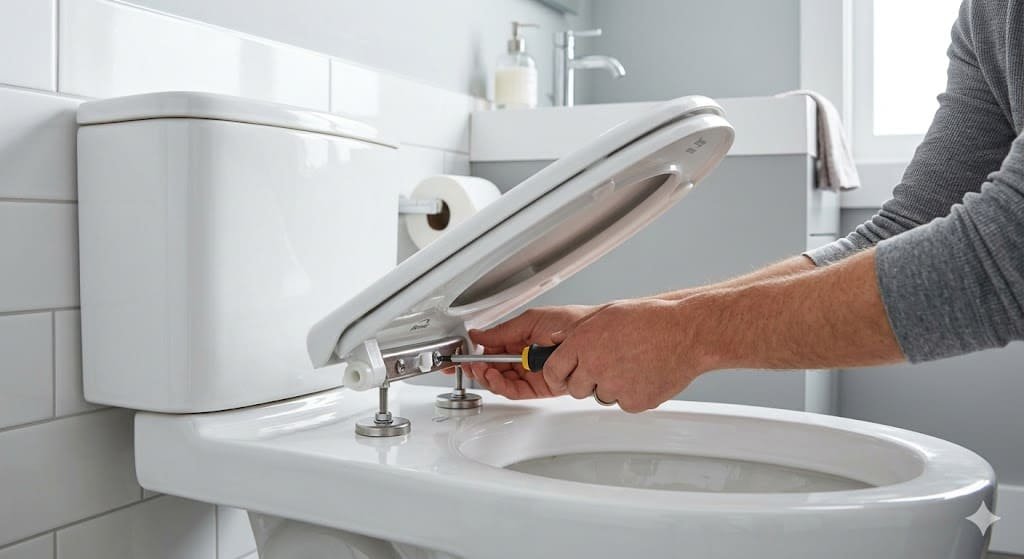
How to stop a toilet seat from sliding is a common question for many homeowners dealing with a loose or unstable toilet seat. A sliding seat can feel uncomfortable, noisy, and even unsafe during daily use. The positive part is that this problem can typically be resolved quickly with a few basic adjustments.
In most cases, the problem comes from loose bolts, worn-out washers, or poor installation. With the right steps and basic tools, you can quickly restore stability and prevent the seat from moving again. This guide will walk you through all the practical solutions to fix the problem effectively.
Table of Contents
Why Does a Toilet Seat Keep Sliding?
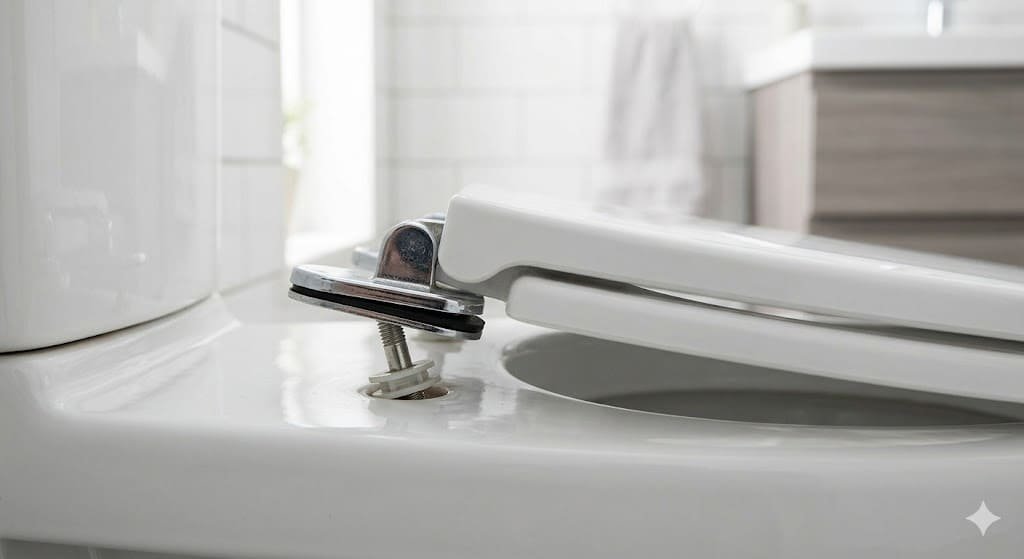
A loose or shifting toilet seat is a common bathroom problem that can become uncomfortable and even unsafe over time. If you are searching for how to stop a toilet seat from sliding, the first step is understanding what causes the issue. In most cases, the problem comes from worn parts, loose hardware, or poor installation.
Loose Toilet Seat Bolts
The most common reason a toilet seat slides is loose mounting bolts. These bolts hold the seat firmly to the toilet bowl. Over time, regular use can cause them to loosen, allowing the seat to move from side to side or forward while sitting.
Worn-Out Rubber Grips or Bumpers
Most toilet seats include small rubber bumpers or anti-slip pads underneath. These parts help keep the seat stable and protect the toilet bowl surface. When the rubber becomes worn, flattened, or damaged, the seat loses grip and starts sliding easily.
Incorrect Toilet Seat Size
A toilet seat that does not properly match the toilet bowl shape can also move around frequently. Round and elongated toilet bowls require different seat sizes. If the wrong size is installed, the seat may never stay fully secure no matter how tight the bolts are.
Damaged or Weak Hinges
The hinges connect the toilet seat to the mounting hardware. Cracked plastic hinges, rusted metal hinges, or low-quality materials can weaken over time and create instability. Once the hinges become damaged, the toilet seat may continue sliding even after tightening.
Poor Installation
Improper installation is another major cause of seat movement. If the bolts are unevenly tightened or the seat is not aligned correctly during installation, it can shift during everyday use. Even a new toilet seat can slide if it was not installed properly from the start.
Understanding these causes makes it much easier to learn how to stop the toilet seat from sliding and choose the right fix for long-term stability.
If you want a complete guide on How to Install a Toilet Seat see our new post
Signs Your Toilet Seat Needs Adjustment
A toilet seat usually gives clear warning signs before it becomes completely loose or unstable. Recognising these problems early can help you learn how to stop the toilet seat from sliding before the issue gets worse. Here are the most common signs that your toilet seat needs adjustment.
Seat Shifts Left or Right
If the toilet seat moves sideways when you sit down, the mounting bolts are likely loose. Side-to-side movement is one of the first signs that the seat is no longer properly secured to the toilet bowl.
Seat Slides Forward While Sitting
A toilet seat that moves forward can feel uncomfortable and unsafe. This often happens when the hinges are loose or the anti-slip bumpers underneath the seat have worn out. Frequent forward movement means the seat needs immediate tightening or replacement parts.
Wobbling or Unstable Feeling
A stable toilet seat should remain firm during use. If the seat rocks, tilts, or feels uneven, it usually means the hardware is not tightened correctly. Ignoring this issue can lead to further damage to the hinges or bolts.
Clicking or Squeaking Sounds
Strange noises coming from the toilet seat during movement are another sign of loose parts. Clicking or squeaking often happens when bolts, washers, or hinges shift against each other because they are no longer secure.
Uneven Seat Alignment
If the toilet seat looks crooked or does not line up evenly with the toilet bowl, it likely needs adjustment. Misalignment can make the seat slide more often and reduce comfort during use.
Frequent Need for Tightening
If you constantly tighten the seat but it becomes loose again after a short time, there may be worn washers, damaged hinges, or poor-quality bolts causing the problem. In this case, simply tightening the hardware may not fully solve the issue.
Identifying these signs early makes it easier to understand how to stop the toilet seat from sliding and prevent bigger repair problems later.
Tools You Need to Fix a Sliding Toilet Seat
Before learning how to stop the toilet seat from sliding, it is important to gather the right tools. Most toilet seat adjustments are simple and can be completed in a few minutes with basic household tools. Using the correct equipment also helps prevent damage to the toilet seat or mounting hardware.
Screwdriver
A screwdriver is one of the most important tools for tightening toilet seat bolts. Depending on the seat design, you may need either a flathead or Phillips screwdriver. It helps secure the mounting bolts firmly in place and reduces seat movement.
Adjustable wrench
An adjustable wrench is useful for holding or tightening nuts underneath the toilet bowl. Some toilet seats loosen because the bottom nuts shift over time, and a wrench helps keep them secure while tightening the bolts from above.
Rubber Washers
Rubber washers improve grip and help keep the toilet seat stable. They also reduce friction between the hardware and the toilet bowl surface. Replacing worn washers is often an easy solution for a toilet seat that keeps sliding.
Replacement Bolts
Old or damaged bolts may no longer hold the seat tightly. In many cases, replacing weak plastic bolts with stronger metal or heavy-duty bolts can provide a longer-lasting fix. New bolts also improve seat alignment and stability.
Cleaning Cloth or Sponge
Dirt and moisture around the hinges can make it harder to tighten the seat properly. A clean cloth or sponge helps remove buildup before making adjustments. Cleaning the area also allows rubber grips and washers to work more effectively.
Thread Locking Adhesive (Optional)
If the bolts keep loosening repeatedly, a small amount of thread-locking adhesive can help hold them in place. This prevents constant movement and reduces the need for frequent tightening.
Having these tools ready makes the repair process faster and easier. Once you have the proper equipment, learning how to stop the toilet seat from sliding becomes much more manageable and effective.
How to Stop a Toilet Seat From Sliding (Step-by-Step)
If your toilet seat keeps moving during use, the good news is that the problem is usually easy to fix. By following a few simple steps, you can quickly learn how to stop the toilet seat from sliding and restore stability and comfort.
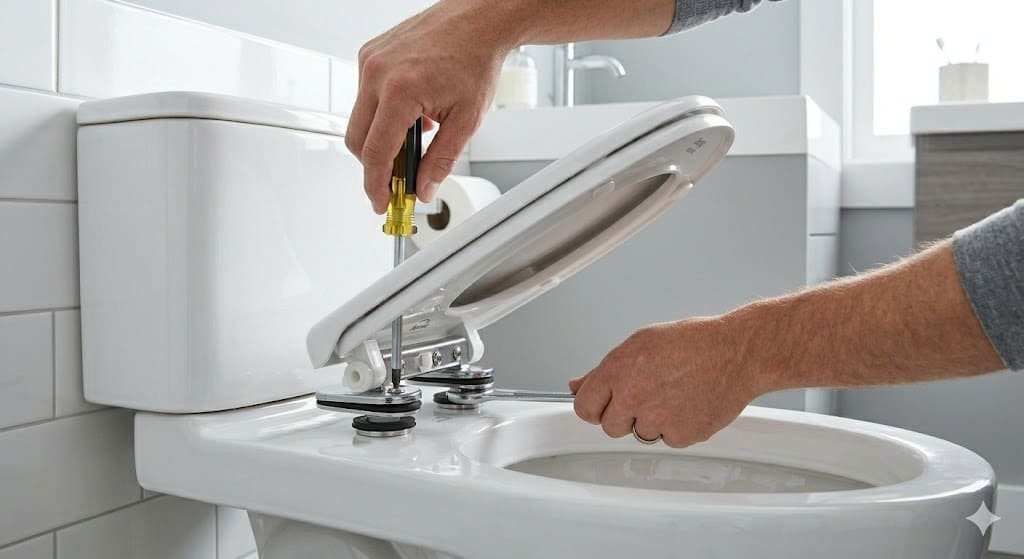
Step 1 – Clean the toilet seat hinges.
Start by lifting the toilet seat and cleaning around the hinges and mounting area. Dust, moisture, and dirt buildup can reduce grip and make the hardware loosen more easily. Use a cloth or sponge to wipe the surface thoroughly before making adjustments.
Step 2 – Locate the Mounting Bolts
Most toilet seats are attached with two mounting bolts located behind the seat near the hinges. Some bolts are covered with plastic caps that can be lifted with a flathead screwdriver. Once exposed, inspect the bolts for looseness, rust, or damage.
Step 3 – Tighten the toilet seat bolts.
Use a screwdriver to tighten the bolts from the top while holding the nuts underneath with an adjustable wrench if needed. Tighten both sides evenly to keep the seat balanced. Avoid over-tightening because excessive force can crack plastic parts or damage the toilet bowl.
Step 4 – Add Rubber Washers for Better Grip
If the seat still moves after tightening, install rubber washers between the bolts and the toilet surface. Rubber washers create extra friction and help prevent the seat from shifting during use. This is one of the most effective ways to stop recurring sliding problems.
Step 5 – Check the Seat Alignment
Before fully tightening the hardware, make sure the seat is centred correctly on the toilet bowl. An uneven or crooked position can cause the seat to slide even when the bolts are tight. Adjust the alignment carefully for a secure fit.
Step 6 – Test the Seat Stability
After tightening and aligning everything, sit on the toilet seat and gently shift your weight to test stability. The seat should remain firm without wobbling or moving sideways. If movement continues, inspect the hinges or consider replacing worn hardware.
Following these steps is one of the easiest methods for how to stop a toilet seat from sliding without calling a plumber. Regular maintenance and occasional tightening can also help keep the seat stable for a long time.
Best DIY Fixes for a Sliding Toilet Seat
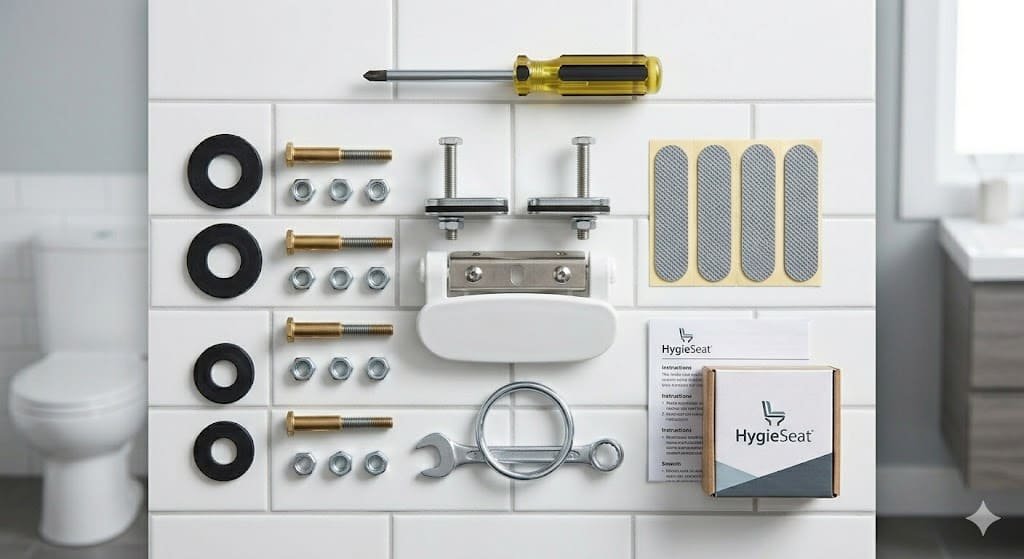
If tightening the toilet seat does not completely solve the problem, several simple DIY solutions can help. These methods are affordable, easy to apply, and effective for anyone trying to learn how to stop a toilet seat from sliding without professional help.
Use anti-slip rubber pads.
Anti-slip rubber pads are one of the easiest ways to improve toilet seat stability. These pads attach underneath the seat and create extra grip between the seat and the toilet bowl. They minimize lateral movement and keep the seat from sliding or shifting while in use.
Install Non-Slip Washers
Replacing old plastic washers with rubber or non-slip washers can make a major difference. Rubber washers provide better friction and help keep the mounting hardware tight for a longer period. They also reduce loosening caused by regular daily use.
Apply thread-locking adhesive.
If the bolts repeatedly loosen after tightening, a small amount of thread-locking adhesive can help secure them in place. This adhesive prevents vibration and movement from gradually loosening the hardware over time. It is especially useful for frequently used bathrooms.
Replace Plastic Bolts With Metal Bolts
A lot of regular toilet seats are fitted with plastic bolts, which tend to weaken over time and can become loose quite easily. Upgrading to stainless steel or heavy-duty metal bolts provides a stronger and more durable hold. Metal hardware is often more reliable for long-term stability.
Tighten Hinges Properly.
Loose or misaligned hinges are another common reason a toilet seat slides. Carefully tightening both hinge connections evenly can help stabilise the seat and prevent uneven movement. Always check that the seat remains centred while adjusting the hinges.
Replace Worn Rubber Bumpers
The small rubber bumpers underneath the toilet seat help absorb pressure and keep the seat balanced. Over time, these bumpers can flatten or crack, reducing their grip. Replacing damaged bumpers is a quick and inexpensive DIY fix.
Use a toilet seat tightening kit.
Specialised toilet seat repair kits are designed for seats that repeatedly become loose or tend to shift out of place. These kits usually include improved bolts, washers, and locking components designed to create a tighter fit. They can be a good solution for older toilet seats with recurring problems.
Trying these DIY methods can greatly improve seat stability and help you fully solve the problem of how to stop a toilet seat from sliding. In many cases, a simple hardware upgrade or small adjustment is all that is needed for a long-lasting fix.
How to Fix a Toilet Seat That Slides Side to Side
Side-to-side movement is one of the most common toilet seat problems, and it can quickly become uncomfortable and annoying. If you are trying to learn how to stop a toilet seat from sliding, fixing lateral movement is an important step. This issue usually happens because the seat is not properly aligned or the mounting hardware has loosened over time.
Check and tighten both bolts evenly.
Begin by identifying the two fixing bolts located at the rear of the toilet seat. Carefully tighten them in small, equal turns on both sides. Avoid over-tightening one side more than the other, as this can cause the seat to remain uneven or loose. Keeping the pressure balanced ensures the seat stays properly aligned, stable, and centered.
Align the seat properly on the bowl.
Before fully tightening the bolts, make sure the seat is perfectly centred on the toilet bowl. Even a small misalignment can cause side movement when pressure is applied. Adjust the position carefully so both sides sit evenly.
Inspect and Replace Worn Washers
Worn or flattened rubber washers are a major cause of side-to-side sliding. These washers create a firm hold by increasing friction between the toilet seat and the toilet surface. Replacing them with new rubber washers can significantly improve stability and reduce movement.
Secure Loose Hinges.
Loose hinges can allow the seat to shift sideways even when the bolts are tight. Check the hinge connection and tighten it properly. If the hinges are cracked or damaged, replacing them may be the only long-term solution.
Add Anti-Slip Pads for Extra Stability
Anti-slip pads placed under the seat can help prevent lateral movement. These pads increase friction between the toilet seat and the bowl, making it harder for the seat to slide during use.
Avoid Over-Tightening One Side
A common mistake is tightening one bolt more than the other. This creates imbalance and often makes the sliding worse. Always tighten both sides gradually and equally for the best results.
Fixing side movement is one of the key steps in understanding how to stop a toilet seat from sliding effectively. With proper alignment and secure hardware, the seat can remain stable and comfortable for long-term use.
How to Keep a Toilet Seat Tight Long-Term
Once you’ve learnt how to stop the toilet seat from sliding, the next step is making sure the problem doesn’t come back. A toilet seat can become loose again over time due to regular use, moisture, and small vibrations. With a few simple habits, you can keep it tight and stable for the long term.
Check bolts regularly.
One of the easiest ways to maintain stability is to check the mounting bolts every few months. A quick tightening prevents small loosening from turning into a sliding problem. Regular checks help you avoid repeated repairs.
Clean Around the Hinges.
Dust, soap residue, and moisture can slowly weaken the grip of the hardware. Cleaning around the hinges keeps the area dry and prevents buildup that can affect tightness. A clean surface also helps rubber washers work more effectively.
Avoid Over-tightening.
While tightening is important, over-tightening can damage bolts, crack plastic parts, or weaken the toilet seat over time. Tighten just enough to keep the seat firm and stable without forcing the hardware.
Replace Worn Parts Early
Rubber washers, bumpers, and plastic bolts wear out with time. Replacing these small parts early can prevent the seat from loosening again. Fresh hardware ensures better grip and longer-lasting stability.
Use Quality Hardware.
Low-quality bolts and hinges tend to loosen faster. Upgrading to stainless steel bolts or heavy-duty hardware can significantly improve durability. Better materials reduce the chances of the seat sliding again.
Keep the seat dry.
Excess moisture around the toilet base can weaken fittings over time. Wiping the area dry after cleaning helps protect the hardware and keeps everything firmly in place.
By following these simple maintenance steps, you can easily extend the life of your toilet seat and reduce future problems. Consistent care is the most reliable way to ensure you truly understand how to stop the toilet seat from sliding and keep it fixed for the long run.
When You Should Replace the Toilet Seat
Even though many issues can be solved by learning how to stop the toilet seat from sliding, there comes a point when repairs are no longer enough. In some cases, replacing the toilet seat is the most practical and long-lasting solution.
Cracked or Damaged Seat
If the toilet seat has visible cracks, breaks, or structural damage, it can no longer stay stable. Damaged material weakens the entire structure, making it impossible to keep the seat secure even after tightening.
Worn or Broken Hinges
Hinges play a key role in keeping the seat fixed in place. If they are cracked, rusted, or bent, the seat will continue to move no matter how much you adjust it. In such cases, replacement is often the only reliable fix.
Frequent Loosening Despite Repairs
If you constantly tighten the seat but it keeps sliding again after a short time, the internal fittings are likely worn out. Repeated loosening is a clear sign that the seat hardware has reached the end of its lifespan.
Poor Fit With the Toilet Bowl
A seat that does not properly match the shape or size of the toilet bowl will never stay stable. If alignment issues continue even after adjustments, replacing it with a seat of the correct size is the best option.
Worn-Out Rubber Bumpers
Rubber bumpers provide grip and stability between the seat and the bowl. When they are completely flattened or missing, the seat loses its friction and begins to slide frequently. If replacements don’t help, a new seat may be needed.
Outdated or Low-Quality Design
Older or low-quality toilet seats often lack strong hinges and durable materials. If your seat was inexpensive or heavily used over time, upgrading to a better-quality model can solve the sliding problem permanently.
In these situations, no amount of adjustment will fully solve the issue of how to stop the toilet seat from sliding. Replacing the seat ensures better safety, comfort, and long-term durability.
Common Mistakes to Avoid
When trying to figure out how to stop a toilet seat from sliding, many people make small mistakes that actually make the problem worse. Avoiding these errors can save time and help you achieve a more stable and long-lasting fix.
Over-Tightening the Bolts
One of the most common mistakes is tightening the bolts too much. Over-tightening can crack plastic parts, damage the toilet bowl, or strip the threads. The seat should be firm, not forced.
Tightening Only One Side.
If you tighten only one bolt, the toilet seat becomes uneven. This imbalance often increases side-to-side movement instead of fixing it. Always tighten both sides evenly for proper alignment.
Ignoring Worn Washers or Bumpers
Many people only tighten the bolts and ignore worn rubber washers or bumpers. These small parts are essential for grip. If they are damaged, the seat will continue to slide even after tightening.
Using the Wrong Tools
Using incorrect tools can damage the hardware or make tightening less effective. A proper screwdriver and adjustable wrench ensure the bolts are secured correctly without causing damage.
Not Cleaning the Mounting Area
When dirt, moisture, or grime accumulates around the hinges, it can weaken grip and stop the seat from tightening properly. Ignoring regular cleaning often causes the sliding issue to keep coming back.
Reinstalling Without Checking Alignment
If the seat is not properly centred before tightening, it will likely shift again during use. Proper alignment is a key step in learning how to stop the toilet seat from sliding effectively.
Avoiding these common mistakes will make your repair more successful and help ensure the toilet seat stays stable for a longer time.
Best Toilet Seats That Don’t Slide Easily
If you are repeatedly dealing with movement issues, upgrading to a high-quality toilet seat can be the most effective long-term solution for how to stop the toilet seat from sliding. The best seats are designed with strong hinges, anti-slip fittings, and durable materials that prevent loosening over time.
Look for seats with stainless steel hinges, as they are much stronger than plastic and resist bending or breaking. Many modern designs also include locking systems or quick-release fittings that hold the seat firmly in place and reduce side-to-side movement. Soft-close models are also a good choice because they reduce sudden impact, which can slowly loosen bolts over time.
Another important feature is non-slip bumpers or rubber grips underneath the seat. These small parts help keep the seat stable on the toilet bowl surface and prevent sliding during use. A properly fitted seat that matches your toilet shape (round or elongated) also plays a big role in stability.
Here are some reliable types of toilet seats that help prevent sliding:
- Soft-close toilet seats with stainless steel hinges
- Heavy-duty thermoset plastic seats with anti-slip bumpers
- Quick-release seats with locking hinge systems
- Universal-fit seats with adjustable mounting brackets
Choosing a well-built model with proper fittings not only improves comfort but also reduces the need for frequent adjustments. In the long run, upgrading is one of the most effective answers to how to stop a toilet seat from sliding permanently.
FAQs
Why does my toilet seat keep sliding even after tightening?
If your seat still moves after tightening, the problem is usually worn washers, damaged hinges, or poor alignment. In many cases, simple tightening is not enough, and you need to replace small parts to properly solve how to stop a toilet seat from sliding.
Can I fix a sliding toilet seat without replacing it?
Yes, most sliding issues can be fixed without replacement. Tightening bolts, adding rubber washers, or using anti-slip pads are usually enough to restore stability and stop movement.
How often should I tighten my toilet seat?
It is a good idea to check and tighten your toilet seat every 2–3 months. Regular maintenance helps prevent loosening and reduces the chances of the seat starting to slide again.
Are metal bolts better than plastic bolts?
Yes, metal bolts are stronger and more durable than plastic ones. They provide a tighter grip and last longer, making them a better option for preventing movement and learning how to stop the toilet seat from sliding long-term.
Do anti-slip pads really work?
Yes, anti-slip pads are effective because they increase friction between the seat and toilet bowl. They help reduce side movement and improve overall stability, especially when used with properly tightened bolts.
Why does my toilet seat slide side to side?
Lateral movement often happens when the hinges are loose, the washers are damaged, or the screws aren’t tightened evenly. Re-adjusting the alignment and swapping out any worn components can usually restore firmness and keep everything stable.
Final Thoughts
A sliding toilet seat may seem like a small issue, but it can quickly become annoying and unsafe if ignored. The good news is that most problems can be fixed easily with simple tools, proper tightening, and a few low-cost replacements. Once you understand how to stop the toilet seat from sliding, you can handle the issue without needing professional help.
In most cases, regular maintenance like checking bolts, replacing worn washers, and keeping the hinges clean is enough to keep the seat stable. And if the problem keeps coming back, upgrading to a stronger, better-quality toilet seat is often the most reliable long-term solution.
With the right approach, you can keep your toilet seat firm, comfortable, and secure for years.
If you want a complete guide on toilet seats and how to choose the right one for your bathroom, check out our latest detailed post for expert insights and easy buying tips.