Introduction
If you are trying to learn how to remove bad smell from toilet seat, you are dealing with a very common household problem. Toilet seat odours usually develop when bacteria, urine stains, mould, and trapped moisture build up over time, especially in hidden areas that are not cleaned regularly.
Even if the bathroom looks clean, these invisible sources can create a strong and unpleasant smell. The good news is that this issue is easy to fix with the right cleaning approach. In this guide, you will find simple, practical, and effective solutions to completely remove bad odour and keep your toilet seat fresh.
Table of Contents
Why Does a Toilet Seat Smell Bad?
Bacteria and Germ Build-Up
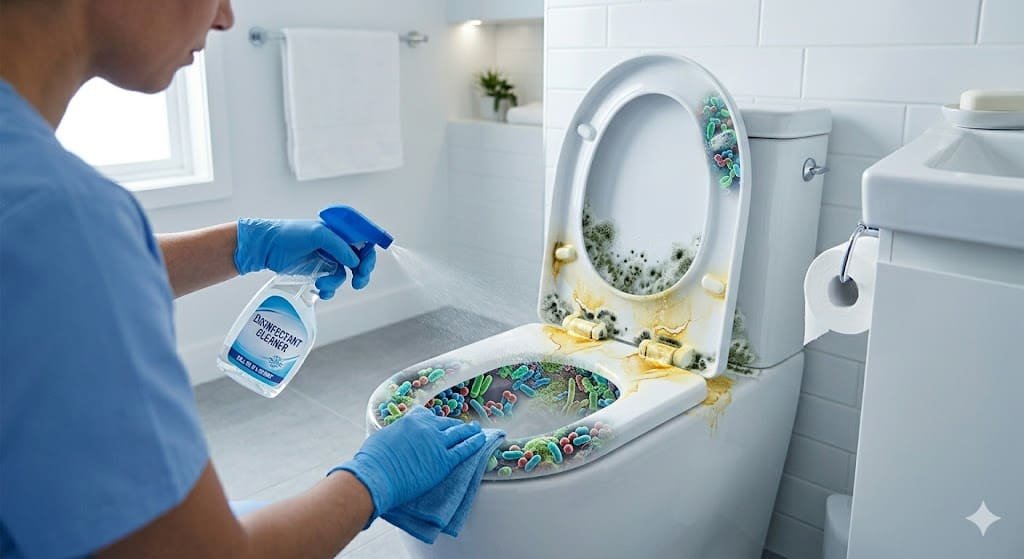
Toilet seats are exposed to moisture and frequent use, which allows bacteria and germs to grow quickly. These microorganisms are one of the main reasons behind bad odours.
Urine Splash and Hidden Stains
Small urine splashes often go unnoticed. Over time, they dry and stick to the surface, especially around edges and underneath the seat, creating a strong smell.
Mould and Mildew Under the Seat
Bathrooms are humid places. When moisture gets trapped under the seat, it leads to mould and mildew growth, which produces a musty odour.
Dirty Hinges and Hard-to-Reach Areas.
Hinges, bolts, and connecting joints tend to trap dirt and germs very quickly. Since these areas are often ignored during cleaning, they become a major source of bad smells.
Old or Damaged Toilet Seats
Ageing toilet seats may develop cracks or worn surfaces that trap bacteria and absorb odours, making the smell difficult to remove completely.
Things You Need Before Cleaning the Toilet Seat
Before you begin the cleaning process, make sure you have the following supplies ready:
- Rubber gloves
- Baking soda
- White vinegar
- Disinfectant spray
- Soft sponge or cloth
- Old toothbrush
- Warm water
- Paper towels
How to Remove Bad Smell from Toilet Seat Step by Step
Step 1 – Remove the toilet seat if possible.
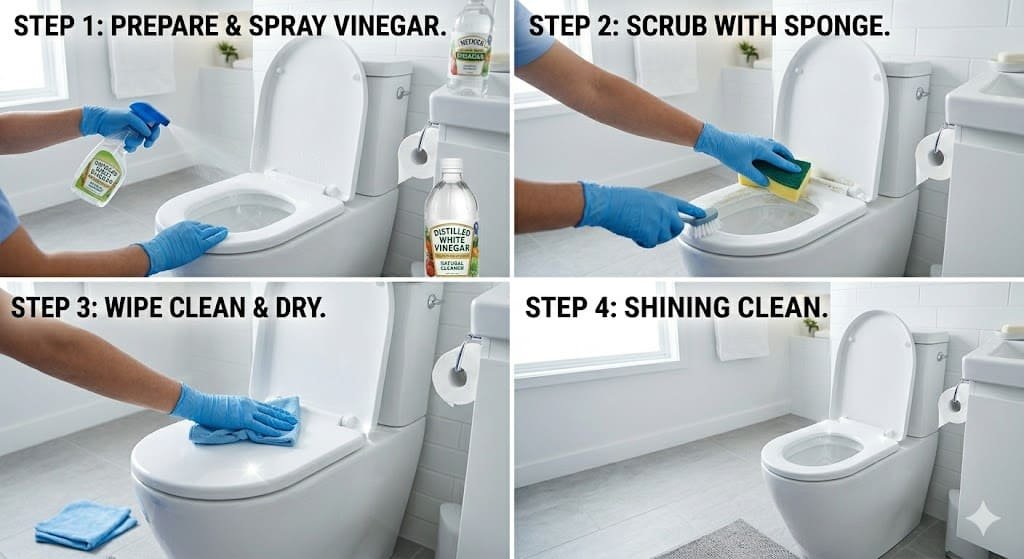
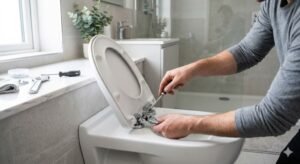
If your toilet seat can be removed, take it off carefully. This allows you to clean hidden areas where most odours come from.
Step 2 – Wash the Seat with Warm, Soapy Water
Clean the entire seat using warm water and mild soap. This helps remove dirt, dust, and light stains from the surface.
Step 3 – Use Vinegar and Baking Soda for Odour Removal
Sprinkle baking soda on smelly areas and spray vinegar over it. Let it sit for a few minutes to break down bacteria and neutralise odour.
Step 4 – Scrub Hinges and Hidden Corners.
Use an old toothbrush to scrub hinges, bolts, and tight corners where dirt and bacteria often collect.
Step 5 – Disinfect the Entire Seat.
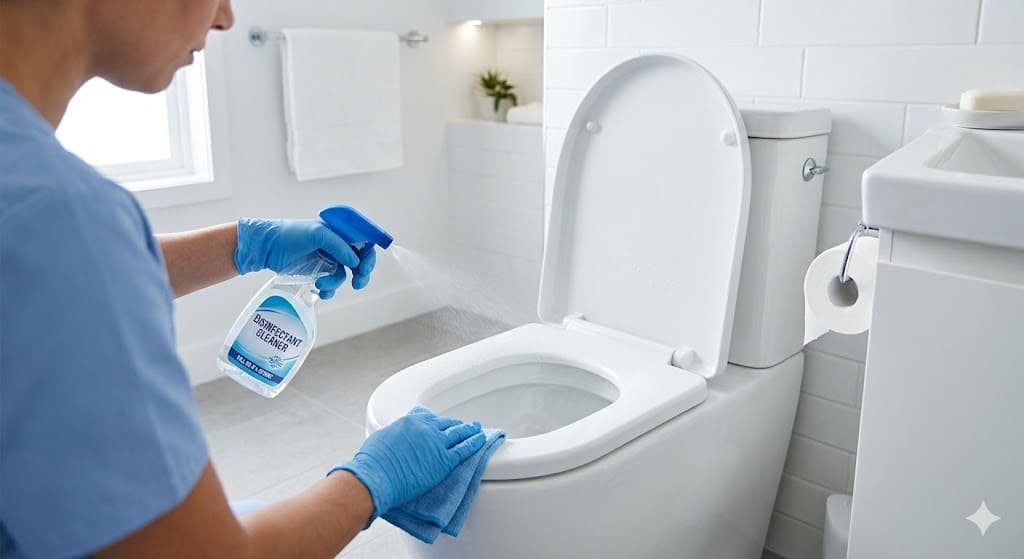
Apply a disinfectant spray over the seat to kill remaining germs and ensure complete odour removal.
Step 6 – Dry the Seat Completely Before Reinstalling it
Wipe the seat with a dry cloth or paper towel. Make sure it is fully dry before putting it back to prevent moisture build-up.
Best Natural Remedies to Remove Toilet Seat Odour
Baking soda paste
Combine baking soda with a small amount of water until it turns into a thick paste. Apply it to smelly areas and scrub gently to absorb odours.
Lemon and Vinegar Solution
A mixture of lemon juice and vinegar works as a natural deodoriser and helps remove bacteria while leaving a fresh scent.
Hydrogen Peroxide Spray
Hydrogen peroxide helps kill germs and is effective for deeper cleaning when odours are strong.
Essential Oils for Fresh Smell
After cleaning, adding a few drops of essential oils like lavender or lemon can keep the toilet seat smelling fresh.
How to Remove Urine Smell from Toilet Seat
Urine odour can be strong and persistent, but it can be removed with proper cleaning:
- Identify hidden urine stains under the seat and around the edges
- Clean bolts and hinges thoroughly
- Use enzyme-based cleaners to break down urine particles
- Repeat cleaning if the smell does not go away completely
How to Clean Under the Toilet Seat Properly
Cleaning the hinges
Hinges collect hidden dirt and bacteria, so scrub them carefully with a toothbrush and cleaning solution.
Cleaning the Mounting Bolts
Lift the seat if needed and clean around the bolts where grime often builds up.
Removing Hidden Dirt and Moisture
Wipe the underside of the seat thoroughly to remove trapped moisture and bacteria.
Common Mistakes That Make Toilet Seat Smell Worse
Avoid these common mistakes while cleaning:
- Using too much bleach, which can damage surfaces
- Ignoring the underside of the seat
- Leaving the seat wet after cleaning
- Skipping regular cleaning and maintenance
How to Keep Your Toilet Seat Smelling Fresh
Daily Quick Cleaning Tips
Wipe the toilet seat quickly every day to prevent the buildup of dirt and bacteria.
Weekly Deep Cleaning Routine
Perform a deep cleaning once a week to maintain hygiene and prevent odours.
Use bathroom ventilation properly.
Keep windows open or use an exhaust fan to reduce humidity and prevent mould growth.
Replace Old Toilet Seats When Needed
If the seat is damaged or constantly smells, replacing it may be the best solution.
When You Should Replace the Toilet Seat
You should consider replacing your toilet seat if:
- There are cracks trapping bacteria.
- Odour remains even after deep cleaning
- Hinges are loose or broken.
- Mould appears inside wooden or damaged seats
FAQs
Why does my toilet seat still smell after cleaning?
Even after cleaning, odour may remain if bacteria or urine is trapped in hidden areas like hinges or underneath the seat. Deep cleaning is essential for proper results.
Can baking soda remove toilet odour?
Yes, baking soda is very effective because it absorbs and neutralises bad smells naturally.
Is vinegar safe for toilet seats?
Yes, vinegar is safe for most toilet seats and helps kill bacteria and remove odour when used correctly.
How frequently is it recommended to clean a toilet seat?
You should clean it at least 2–3 times a week to prevent odour buildup and maintain hygiene.
What is the best cleaner for urine smell on toilet seats?
Enzyme-based cleaners are the most effective because they break down urine particles instead of just masking the smell.
Conclusion
Learning how to remove bad smells from a toilet seat becomes easy when you understand the causes and follow the right cleaning steps. Most odours come from hidden bacteria, moisture, and urine stains that require deep cleaning instead of surface wiping.
By using simple cleaning methods, natural remedies, and regular maintenance, you can keep your toilet seat fresh and odour-free. Consistent care is the key to preventing bad smells and maintaining a clean, hygienic bathroom.
If you want a complete guide on Common Toilet Seat Problems and Their Solution and how to choose the right one for your bathroom, check out our latest detailed post for expert insights and easy buying tips.