Introduction
What is a soft-close toilet seat? It is a modern toilet seat designed to close slowly and quietly using a special hinge mechanism that prevents slamming. This simple upgrade has become a popular choice in many homes because it adds comfort, reduces noise, and helps protect the toilet seat from damage.
In this guide, you’ll learn how a soft-close toilet seat works, its key benefits, and why it might be a smart addition to your bathroom.
Table of Contents
What Is a Soft-Close Toilet Seat?
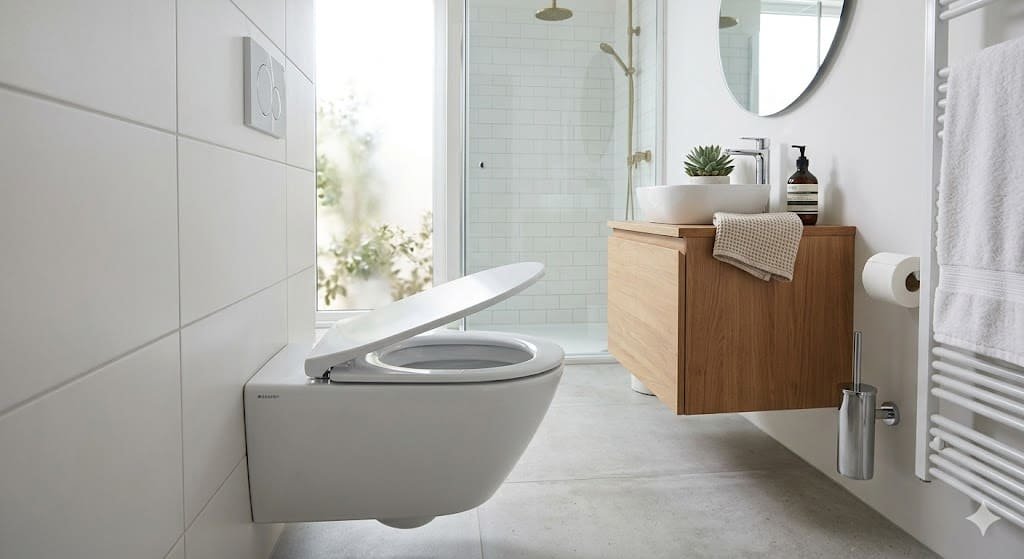
If you’re wondering what is a soft-close toilet seat, it is a type of toilet seat designed to close slowly and quietly instead of slamming shut. It uses specially designed hinges that control the speed of the seat and lid as they lower onto the toilet bowl.
Unlike traditional toilet seats, which can drop suddenly and create a loud noise, a soft-close toilet seat gently lowers itself once it is pushed down. This feature helps reduce noise, prevents damage caused by repeated slamming, and adds convenience to everyday bathroom use.
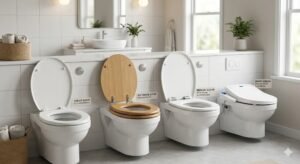
Soft-close toilet seats are available in a variety of materials, including plastic, wood, and molded resin. They also come in different shapes and sizes to fit both round and elongated toilet bowls. Many modern models include additional features such as quick-release hinges for easier cleaning.
Because of their quiet operation and user-friendly design, soft-close toilet seats have become a popular upgrade in homes, hotels, and commercial bathrooms. They offer a simple way to improve comfort while helping extend the lifespan of both the seat and the toilet itself.
How Does a Soft-Close Toilet Seat Work?
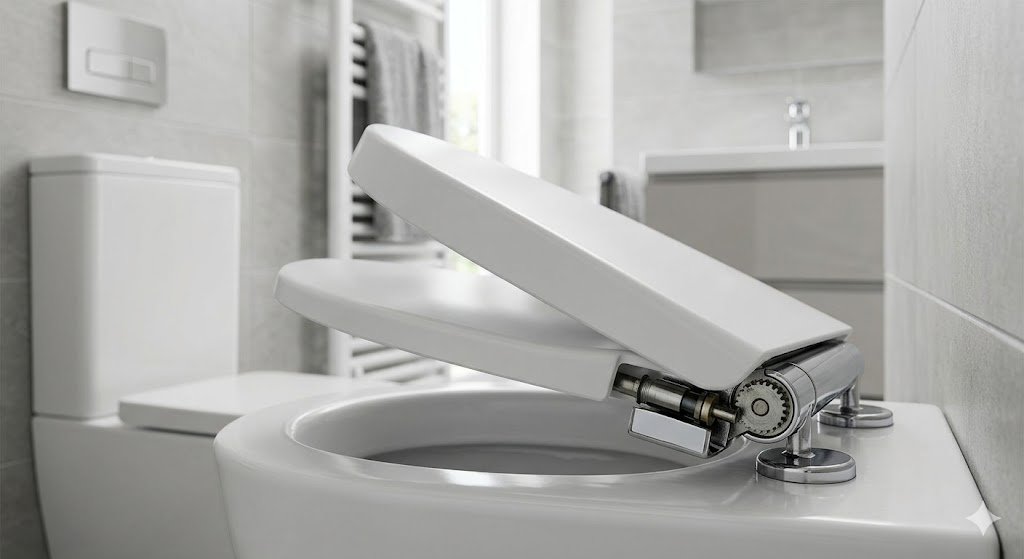
To fully understand what a soft-close toilet seat is, it’s important to break down how its internal parts work together. The slow and silent closing action is not random—it is controlled by a built-in mechanism inside the hinges.
The Role of Specialized Hinges
The main feature of a soft-close toilet seat is its specialized hinge system. Unlike standard hinges, these are designed with added components that control movement. They are slightly more complex and contain built-in resistance that prevents the seat from dropping freely.
When you start to lower the seat, these hinges take control of the motion and guide it smoothly downward. This is the core reason a soft-close seat feels different from a regular one.
Hydraulic and Dampening Mechanisms
Inside the hinges, most soft-close models use either a hydraulic system or a dampening mechanism. These systems are filled with fluid or resistance materials that slow down movement.
When the seat is pushed down, the hydraulic system resists sudden motion and gradually releases that resistance. This creates a controlled, steady descent instead of a fast drop. This is a key part of what is a soft-close toilet seat and how it delivers its quiet performance.
Why the Seat Closes Slowly Without Slamming
The reason the seat never slams is because the mechanism removes the force of gravity’s sudden impact. Instead of allowing the seat to fall freely, the dampening system absorbs the energy and releases it slowly.
This controlled motion ensures the seat closes gently every time. It also reduces noise, prevents damage to the toilet seat, and improves overall safety—especially in homes with children.
In simple terms, a soft-close toilet seat works by using engineered hinges and resistance systems that control speed, making the closing process smooth, quiet, and safe.
Benefits of Using a Soft-Close Toilet Seat
Understanding what is a soft-close toilet seat also means knowing why it is useful in everyday life. These seats are designed not just for comfort, but also for practicality and safety in the bathroom.
Reduces Noise
One of the biggest benefits is noise reduction. A soft-close toilet seat closes slowly and quietly, preventing the loud “bang” that happens with standard seats. This is especially helpful in shared homes or at night when you want to avoid disturbing others.
Prevents Accidental Slamming
The soft-close feature allows the seat to lower gently and quietly, preventing it from banging shut even when released unexpectedly. The built-in hinge controls the movement, so the seat gently lowers on its own. This makes a soft-close toilet seat a key solution for avoiding unnecessary impact damage.
Improves Safety for Children
Soft-close seats are safer for children because they reduce the risk of fingers getting caught or injured by a suddenly falling seat. The slow-closing action gives enough time to move hands away safely.
Extends the Life of the Toilet Seat
Because there is no repeated slamming, the seat and hinges experience less wear and tear. This helps extend the overall lifespan of the toilet seat, making it a more durable option compared to standard models.
Enhances Bathroom Comfort and Convenience
A soft-close toilet seat adds a smoother and more modern experience to any bathroom. The gentle closing action feels more controlled and convenient, improving everyday comfort. For many users, this practical design is a key reason they learn what a soft-close toilet seat is and choose to upgrade. v
Are There Any Disadvantages of Soft-Close Toilet Seats?
To fully understand what is a soft-close toilet seat, it is also important to look at its limitations. While these seats are convenient and quiet, they are not perfect for every situation.
Higher Cost Compared to Standard Seats
One of the main disadvantages of a soft-close toilet seat is the price. Compared to a standard toilet seat, soft-close models usually cost more because they include a built-in dampening mechanism. Homeowners who prioritize affordability may find the added expense unnecessary, especially when a simple, no-frills toilet seat meets their needs.
Hinges May Wear Out Over Time
Another drawback is that the hinge system can wear out with long-term use. Since the soft-close function relies on hydraulic or damping technology, frequent use may slowly reduce its effectiveness. Over time, the seat may close faster than when it was new, which affects the main benefit of what is a soft-close toilet seat—its slow and quiet closing feature.
Limited Repair Options for Some Models
In some cases, if the soft-close mechanism stops working, it cannot be easily repaired. Many models are designed so that the hinge system is sealed or not replaceable on its own. This means you may need to replace the entire seat instead of fixing a small part, which can add to long-term maintenance costs.
Soft-Close Toilet Seats vs. Standard Toilet Seats
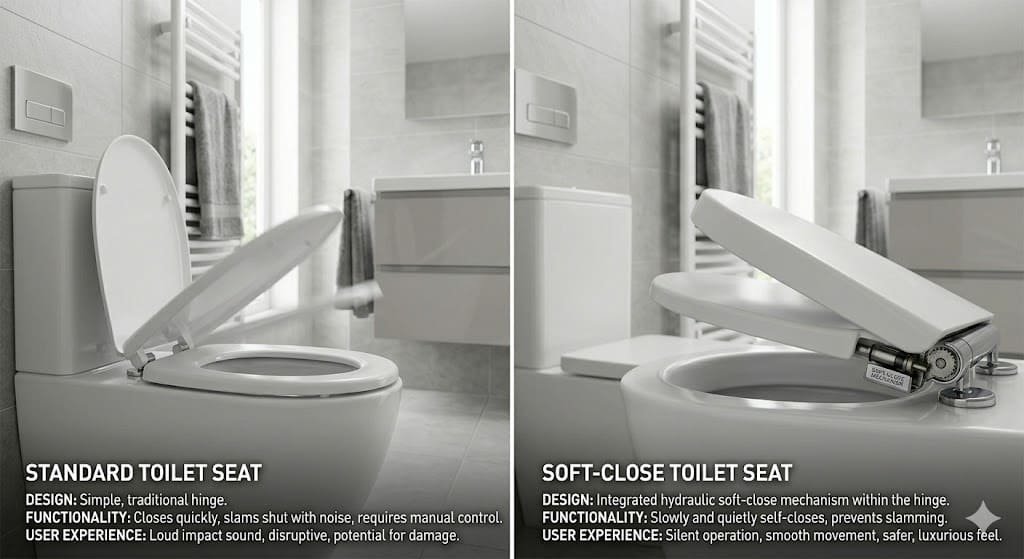
When learning what a soft-close toilet seat is, it is helpful to compare it with a standard toilet seat. Both serve the same basic purpose, but they differ in comfort, performance, and long-term use.
Noise Levels
A standard toilet seat can slam shut quickly, creating a loud noise that can be disruptive, especially at night. In contrast, a soft-close toilet seat closes slowly and silently thanks to its built-in hinge system. This makes it a better option for quiet bathroom environments.
Durability
Standard seats are more likely to get damaged over time due to repeated slamming. Soft-close toilet seats reduce impact, which helps protect both the seat and the toilet bowl. As a result, they often last longer when properly maintained.
Maintenance
Standard toilet seats are usually simpler in design, making them slightly easier to repair or replace. Soft-close toilet seats require a bit more care because of their hinge mechanism. However, many modern models are designed to be easy to clean and include quick-release features.
Cost Comparison
Standard toilet seats are generally cheaper and widely available. Soft-close toilet seats cost more because of their advanced hinge system and added comfort features. However, many users consider the extra cost worth it for the improved convenience and durability.
Which Option Is Better?
If you are focused only on budget, a standard seat may be enough. However, if you want comfort, safety, and a quieter bathroom experience, a soft-close option is usually the better choice. Understanding what a soft-close toilet seat is helps you see why many homeowners prefer upgrading from standard models.
Types of Soft-Close Toilet Seats
When learning what a soft-close toilet seat is, it is also important to understand that these seats come in different types. Each type offers the same soft-closing mechanism but differs in material, design, and added features.
Plastic Soft-Close Toilet Seats
Plastic soft-close toilet seats are the most common and affordable option. They are lightweight, durable, and easy to clean. These seats are a popular choice for everyday household bathrooms because they resist moisture and stains.
Wooden Soft-Close Toilet Seats
Wooden soft-close toilet seats offer a more solid and premium feel. They are usually made with MDF or treated wood and coated for water resistance. These seats are often chosen for their comfort and stylish appearance.
Quick-Release Soft-Close Toilet Seats
Quick-release soft-close toilet seats are designed for easy cleaning. The seat can be removed quickly without tools, allowing you to clean hard-to-reach areas around the hinges. This makes maintenance much easier while still offering the soft-close feature explained in What is a soft-close toilet seat?.
Soft-Close Seats with Extra Features
Some soft-close toilet seats include advanced features like integrated bidet systems, germ-resistant surfaces, or customizable hinge adjustments for a more convenient user experience. These upgraded versions improve hygiene and comfort while maintaining the core soft-close mechanism.
In summary, what a soft-close toilet seat is can vary slightly depending on the type, but all versions share the same main purpose: slow, quiet, and controlled closing.
A Simple Guide to Selecting a Soft-Close Toilet Seat
When learning what a soft-close toilet seat is, it’s also important to know how to choose the right one for your bathroom. The right seat should fit properly, last long, and match your daily needs.
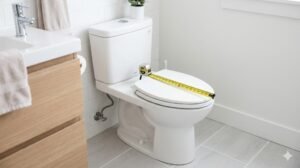
Determine Your Toilet Bowl Shape
Start by checking your toilet bowl shape. Most toilets are either round or elongated, and the seat must match exactly. A wrong fit can cause discomfort and poor stability.
Check Seat Material
Soft-close toilet seats are usually made from plastic or wood (MDF). Plastic is lightweight, affordable, and easy to clean, while wooden seats feel more solid and comfortable but may cost more.
Consider Hinge quality.
The hinge is the most important part of what is a soft-close toilet seat. Look for strong, rust-resistant hinges that provide smooth closing action. High-quality hinges last longer and reduce the chance of malfunction.
Look for Easy-Clean Features
Some models come with quick-release features, allowing you to remove the seat easily for cleaning. This helps maintain hygiene and makes bathroom cleaning much faster and easier.
Match Your Budget
Soft-close toilet seats come in different price ranges. Basic models are affordable, while premium ones offer better durability and extra features. Choose one that balances quality and cost without compromising essential functionality.
Choosing the right seat ensures you get the full benefits of what is a soft-close toilet seat, including comfort, durability, and quiet operation.
How to Install a Soft-Close Toilet Seat
Installing a soft-close toilet seat is a simple DIY task that most people can complete without professional help. Before starting, it helps to understand what a soft-close toilet seat is so you know you are working with a seat that includes special slow-closing hinges designed for smooth operation.
Tools You May Need
You typically won’t need specialised equipment, just a few basic tools like:
- Adjustable wrench or pliers
- Screwdriver (flathead or Phillips, depending on the seat)
- Cleaning cloth or sponge
- Mild cleaner
Some soft-close toilet seats come with all necessary fittings included, so check the package before you start.
Removing the Old Seat
Start by lifting the old toilet seat and locating the bolts at the back of the toilet bowl. These are usually covered with plastic caps. Remove the caps, then use a wrench or screwdriver to loosen the nuts underneath.
Once the bolts are loose, lift the old seat away and clean the area around the mounting holes. This helps create a clear and stable area for fitting the replacement seat securely.
Installing the New Soft-Close Seat
Place the new soft-close seat onto the toilet bowl, aligning it with the mounting holes. Insert the bolts and tighten them gently from underneath using the provided nuts.
Make sure the seat is centered and properly aligned before fully tightening. Avoid over-tightening, as this can damage the fittings or affect how the soft-close mechanism works.
Testing the Closing Mechanism
After installation, test the seat and lid several times. Gently push the lid down to see if it closes slowly and quietly. This is the key feature that explains what is a soft-close toilet seat in practical use.
If it drops too quickly or is misaligned, slightly adjust the hinges until the motion is smooth. Once it works properly, your installation is complete and ready for everyday use.
How to Maintain a Soft-Close Toilet Seat
Keeping your toilet seat in good condition helps it last longer and work properly. If you understand what a soft-close toilet seat is, you also know it has a special hinge mechanism that needs a little care to function smoothly.
Regular Cleaning Tips
Routine cleaning plays the key role in keeping it well-maintained. Wipe the seat and hinges with a soft cloth and mild soap or bathroom cleaner. Avoid harsh chemicals or abrasive scrubbers because they can damage the plastic surface and affect the soft-close mechanism over time.
Make sure to clean around the hinge area, as dirt and grime can build up there and slow down the closing action.
Tightening Loose Hinges
Over time, the hinges of a soft-close toilet seat may become loose due to regular use. Check the seat periodically and tighten any loose screws using a screwdriver.
A properly secured hinge ensures that the soft-close feature works correctly and prevents the seat from shifting side to side. This is especially important when learning what a soft-close toilet seat is, as the mechanism relies on stable hinges to function properly.
Preventing Damage to the Soft-Close Mechanism
The soft-close system is built into the hinges, so it should never be forced. Avoid pushing the seat down quickly or applying extra pressure to make it close faster. This may harm the internal damping mechanism inside the seat.
Also, avoid hanging heavy objects on the seat or lid, as this can strain the hinges. Gentle use will keep the mechanism working smoothly for a long time and maintain the benefits of a soft-close toilet seat.
Common Problems with Soft-Close Toilet Seats
Even though understanding what is a soft-close toilet seat shows it is designed for smooth and quiet operation, these seats can still develop issues over time. Most problems are related to wear and tear in the hinge system or incorrect installation.
Seat Closes Too Fast
One of the most common issues is when the soft-close function stops working properly and the seat closes quickly instead of slowly. This usually happens when the damping mechanism inside the hinge gets worn out or damaged. In some cases, dirt or buildup can also interfere with the closing system.
Loose Hinges
Loose hinges can affect how the seat functions. If the hinges are not tightly secured, the seat may shift or lose its controlled movement. This can also reduce the effectiveness of the soft-close feature and cause uneven or unstable closing.
Uneven Alignment
Sometimes the seat may not sit evenly on the toilet bowl. This can happen if it was installed incorrectly or if the hinges have become loose over time. Poor alignment can affect both comfort and the smooth operation that defines what is a soft-close toilet seat.
When to Replace the Seat
If the soft-close mechanism no longer works even after tightening or minor adjustments, replacement may be the best option. Most soft-close systems are not easily repairable at the internal level. Replacing the seat ensures you restore the quiet and smooth performance that users expect from what is a soft-close toilet seat.
FAQs
What is a soft-close toilet seat?
A soft-close toilet seat is a type of toilet seat designed with special hinges that allow the lid and seat to close slowly and quietly instead of slamming shut. This feature reduces noise and prevents damage.
How does a soft-close toilet seat work?
It works using a built-in damping system in the hinges. When you push the seat down, the mechanism controls the speed so it closes gently and gradually.
Why should I use a soft-close toilet seat?
It reduces noise, prevents accidental slamming, improves safety for children, and helps extend the lifespan of the toilet seat.
Are soft-close toilet seats universal?
Not all of them. While many models are designed to fit standard toilets, you still need to check the shape and size (round or elongated) before buying.
Can a soft-close toilet seat be repaired?
In some cases, yes. If the issue is with loose hinges, they can often be tightened. However, if the internal mechanism is damaged, replacement is usually needed.
What is the typical lifespan of a soft-close toilet seat?
On average, a good-quality soft-close toilet seat can last several years, depending on usage and maintenance.
Is a soft-close toilet seat worth it?
Yes, for most homes it is. Understanding what a soft-close toilet seat is helps you see its value—it offers comfort, safety, and durability compared to standard seats.
Conclusion
Now that you understand what is a soft-close toilet seat, it’s clear why it has become a popular upgrade in modern bathrooms. It is designed with a special hinge mechanism that allows the seat and lid to close slowly, quietly, and safely without slamming.
This simple feature not only reduces noise but also improves safety, increases durability, and adds comfort to everyday use. While it may cost slightly more than a standard seat, the long-term benefits often make it a worthwhile investment for most homes.
If you are looking for a practical and low-maintenance bathroom upgrade, a soft-close toilet seat is a simple change that can make a noticeable difference in daily convenience.
If you want a complete guide on toilet seats types and how to choose the right one for your bathroom, check out our latest detailed post for expert insights and easy buying tips.