Introduction
Why Toilet Seat Becomes Discoloured is a common question for many households, especially when a once-clean white seat starts turning yellow, brown, or dull over time. This issue can happen even if you clean your bathroom regularly, which makes it confusing for most people.
In this article, we will explore the main reasons behind toilet seat discolouration, how to deal with it, and simple ways to prevent it from happening again.
Table of Contents
What Does Toilet Seat Discolouration Look Like?
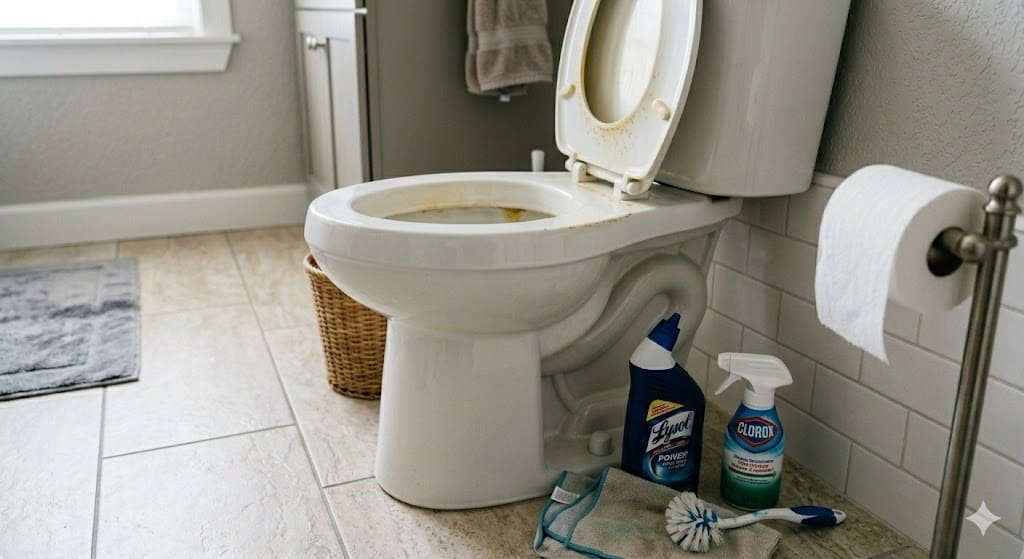
Understanding why a toilet seat becomes discoloured starts with recognising how the problem actually appears. Discolouration doesn’t always look the same, and it can develop slowly over time, making it easy to ignore in the beginning.
One of the most common signs is yellowing of the toilet seat surface. This usually starts as a light tint and gradually becomes more noticeable, especially on white or light-coloured seats. It often appears uneven, with some areas looking more faded than others.
Another common type is brown stains or patches, which are usually linked to moisture build-up, urine splashes, or poor cleaning habits. These stains can collect around hinges, edges, and the underside of the seat where cleaning is often missed.
You may also notice black or dark spots, which are typically caused by mould or mildew. These spots usually appear in damp bathrooms with poor ventilation and can spread if not cleaned properly.
In some cases, the toilet seat may look dull, faded, or worn out instead of having clear stains. This is often a sign of material ageing, chemical damage from harsh cleaners, or long-term exposure to sunlight.
Overall, toilet seat discolouration can range from light yellowing to deep stains or surface fading. Recognising these early signs helps you understand why the toilet seat becomes discoloured and take action before the problem gets worse.
Why a Toilet Seat Becomes Discoloured (Main Causes)
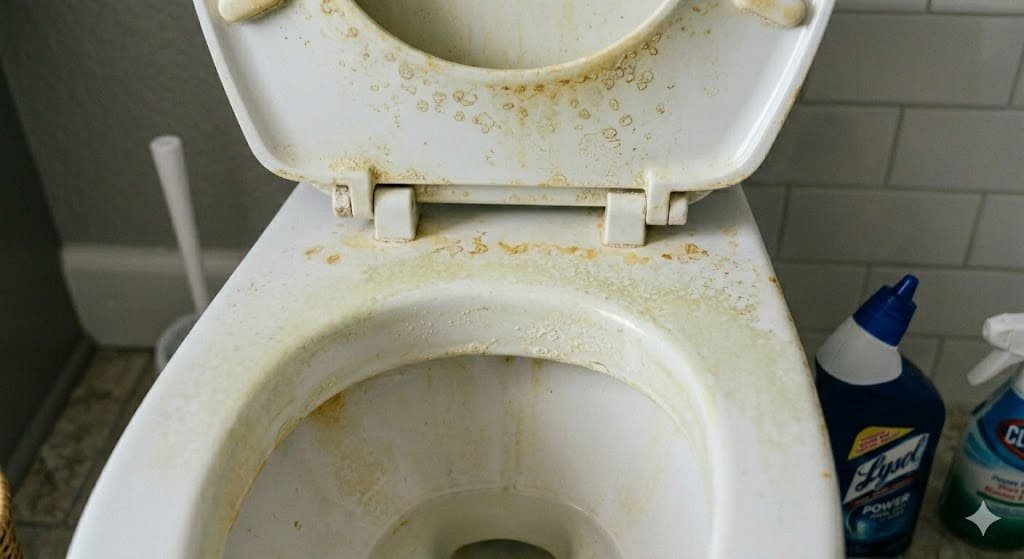
Understanding why a toilet seat becomes discoloured helps you fix the issue at the root instead of just cleaning the surface. Most discolouration doesn’t happen suddenly—it builds up over time due to daily use, moisture, and environmental factors.
Below are the most common causes explained in a simple and clear way.
1. Hard Water Stains
One of the biggest reasons why a toilet seat becomes discoloured is hard water.
When water contains high levels of minerals like calcium and magnesium, it leaves behind deposits after repeated cleaning and flushing. Over time, these minerals can:
- Create yellow or whitish stains
- Build up around hinges and edges
- Make the surface look dull and aged
This is especially common in areas with untreated or mineral-rich water.
2. Urine Splash and Bacterial Build-Up
Even when the toilet looks clean, tiny urine splashes often reach the seat, especially under the rim and around the hinges.
If not cleaned properly, this leads to the following:
- Yellow stains over time
- Bad odour development
- Bacterial growth on the surface
This is a very common reason why a toilet seat becomes discoloured in households with frequent use.
3. Damage from Harsh Cleaning Chemicals
Using strong cleaners might seem like a good idea, but they can actually damage the toilet seat.
Chemicals like bleach and strong acids can:
- Break down the protective surface layer
- Cause yellowing or fading of plastic
- Make the seat more prone to future staining
Ironically, over-cleaning can make discolouration worse instead of better.
4. Sunlight and UV Exposure
If your bathroom has a window or natural light exposure, UV rays can slowly affect the toilet seat material.
Over time, sunlight can:
- Fade the original white colour
- Turn plastic slightly yellow
- Make the surface look uneven
This is more noticeable in cheaper plastic toilet seats.
5. Mould and Mildew Growth
Bathrooms are naturally humid places, which makes them perfect for mould and mildew.
When moisture stays trapped around the toilet seat:
- Black or dark spots may appear
- A musty smell can develop
- Discolouration spreads in corners and hinges
Poor ventilation makes this problem even worse.
6. Ageing and Low-Quality Plastic Material
Sometimes, the simplest answer to why a toilet seat becomes discoloured is just natural ageing.
Over time:
- Plastic loses its original shine
- Colour slowly turns yellow or dull
- Surface becomes harder to clean
Low-quality toilet seats degrade much faster than high-quality ones, especially with daily use and cleaning.
Is Toilet-Seat Discolouration Harmful?
When people notice stains or yellowing and start wondering why the toilet seat becomes discoloured, the next common question is whether it is actually dangerous. In most cases, toilet seat discolouration is not directly harmful, but it can indicate hygiene problems that should not be ignored.
1. It Is Usually Not a Direct Health Risk
A discoloured toilet seat—whether yellow, brown, or slightly faded—is mainly a surface-level issue. The colour change itself does not usually cause illness. Most modern toilet seats are made from plastic materials that do not become toxic when they change colour.
So, the discolouration you see is more about appearance and cleanliness, not immediate danger.
2. It Can Indicate Bacteria Build-Up
Even though the stain itself is not harmful, the cause behind it might be. One major reason why a toilet seat becomes discoloured is the buildup of:
- Urine residue
- Bacteria
- Moisture and grime
If not cleaned regularly, these contaminants can multiply and create an unhygienic surface. This is where the real risk begins, especially for people with weak immunity.
3. Possible Risk of Germ Transfer
A dirty or heavily discoloured toilet seat may carry germs like E. coli or other bacteria from bathroom waste. While the risk of infection from sitting on a toilet seat is generally low, poor hygiene increases the chances of contact with harmful microbes.
This is why regular cleaning is important, even if the seat only looks slightly stained.
4. Mould and Mildew Can Develop in Severe Cases
In bathrooms with poor ventilation, moisture can lead to mould or mildew growth on or around the toilet seat. This can cause:
- Bad odour
- Allergic reactions in sensitive individuals
- Further discolouration
So, while discolouration alone is not harmful, it can sometimes signal deeper moisture problems.
5. When It Becomes a Concern
You should take action if you notice:
- Strong unpleasant smell
- Sticky or slimy surface
- Dark black or green spots (mould)
- Stains that keep returning after cleaning
In such cases, the issue is no longer just cosmetic—it’s a hygiene problem.
Final Thoughts
Understanding why a toilet seat becomes discoloured helps you see that the discolouration itself is usually not dangerous. However, it often points to poor cleaning habits, moisture build-up, or bacterial growth. Keeping your toilet seat clean and dry is the best way to ensure both hygiene and safety.
How to Clean Discoloured Toilet Seats (Step-by-Step)
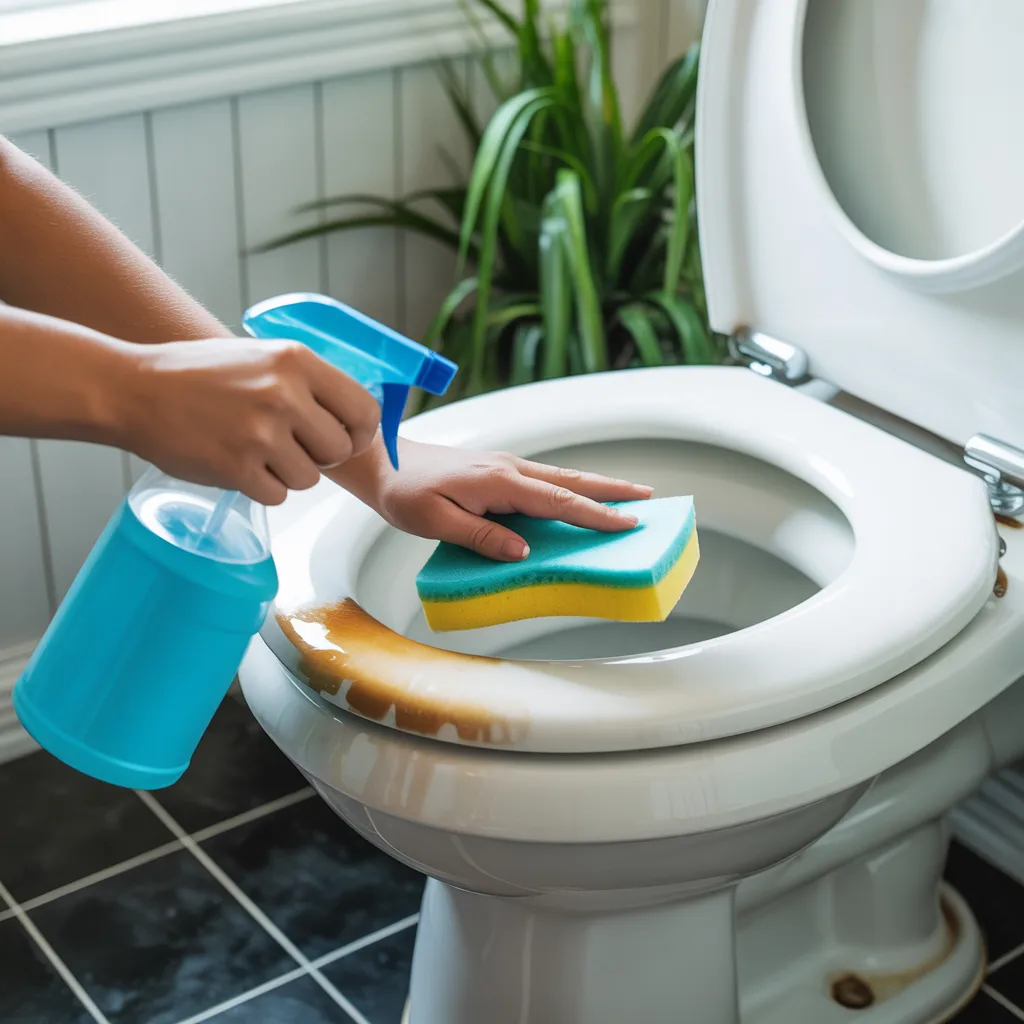
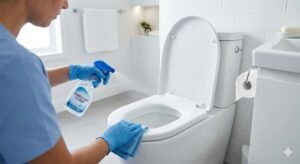
If you are wondering why a toilet seat becomes discoloured, the answer is usually a mix of stains, bacteria, hard water deposits, and cleaning residue buildup. The good news is that most discoloured toilet seats can be cleaned effectively at home using simple methods.
Follow this step-by-step guide to restore your toilet seat’s clean appearance.
Step 1: Remove Dust and Loose Dirt
Start by wiping the toilet seat with a dry or slightly damp cloth.
This removes surface dust, hair, and loose debris so the cleaner can work more effectively.
Step 2: Prepare a Mild Cleaning Solution
Combine lukewarm water with a small amount of liquid dish washing soap. You can also add a small amount of white vinegar for better stain removal.
This solution is safe and works well for light to moderate discolouration.
Step 3: Apply the cleaner to the seat.
Dip a soft sponge or cloth into the solution and apply it evenly across the toilet seat.
Focus on stained or yellowed areas, especially underneath the seat where buildup often starts.
Let it sit for 5–10 minutes so it can break down grime and bacteria.
Step 4: Scrub Gently but Thoroughly
Use a soft scrub sponge or an old toothbrush to clean the surface.
Avoid using hard brushes or steel wool, as they can scratch the plastic and make future staining worse.
Scrub in circular motions for better stain removal.
Step 5: Treat Tough Stains (If Needed)
If discolouration is still visible, apply baking soda directly on the stains.
Spray a little vinegar over it and let it fizz for a few minutes. Then scrub again gently.
This combination helps remove deep yellow or brown stains caused by long-term buildup—one of the main reasons why a toilet seat becomes discoloured over time.
Step 6: Rinse and Wipe Clean
Wipe the seat with a clean, damp cloth to remove all cleaning residue.
Make sure no soap or baking soda is left behind.
Step 7: Dry the Seat Properly.
Use a dry towel or cloth to completely dry the toilet seat.
Leaving moisture behind can lead to new stains, mould, or odour.
Final Tip
Regular cleaning is key. If you clean your toilet seat once or twice a week, you can prevent heavy discolouration and avoid wondering again why the toilet seat becomes discoloured in the future.
How to Remove Tough Yellow or Brown Stains
Tough yellow or brown stains on a toilet seat are usually a sign of long-term buildup, and they often appear when the underlying issue of why the toilet seat becomes discoloured is not addressed early. These stains can come from urine residue, hard water minerals, or ageing plastic that has absorbed dirt over time.
The good news is that most of these stains can still be removed with the right cleaning methods.
1. Baking Soda and Vinegar Paste
This is one of the safest and most effective home methods.
- Combine baking soda with a little white vinegar until it turns into a dense, paste-like mixture.
- Apply it directly to the stained areas
- Leave it for 15–30 minutes
- Scrub gently with a soft sponge or brush
- Rinse with warm water and dry
This helps break down mineral deposits and surface stains without damaging the plastic.
2. Hydrogen Peroxide Treatment
Hydrogen peroxide works well for deeper yellow stains.
- Apply hydrogen peroxide directly to the stained area.
- Let it sit for 20–30 minutes
- Scrub lightly and rinse
It helps lighten discolouration caused by bacteria buildup and oxidation, which is a common reason behind why toilet seats become discoloured over time.
3. Warm Soapy Water Soak
For moderate stains:
- Mix warm water with mild dish soap
- Soak a cloth and place it over the stain for 10–15 minutes.
- Scrub gently afterwards
This loosens dirt and grease buildup that makes stains look darker.
4. Use a Non-Abrasive Commercial Cleaner
If home methods don’t fully work:
- Choose a plastic-safe bathroom cleaner
- Avoid harsh bleach or strong acids
- Apply and follow product instructions carefully
Strong chemicals can sometimes worsen discolouration instead of fixing it.
5. Repeat Cleaning for Deep Stains
Old brown or deep yellow stains may not disappear in one attempt. For improved results, carry out the same process two to three times.
If stains still remain, it may indicate permanent damage to the surface, which is often the final stage of why a toilet seat becomes discoloured due to ageing plastic or long-term neglect.
Quick Tip
Always dry the toilet seat after cleaning. Moisture left on the surface can encourage bacteria growth and cause stains to return faster.
How to Prevent Toilet Seat Discolouration
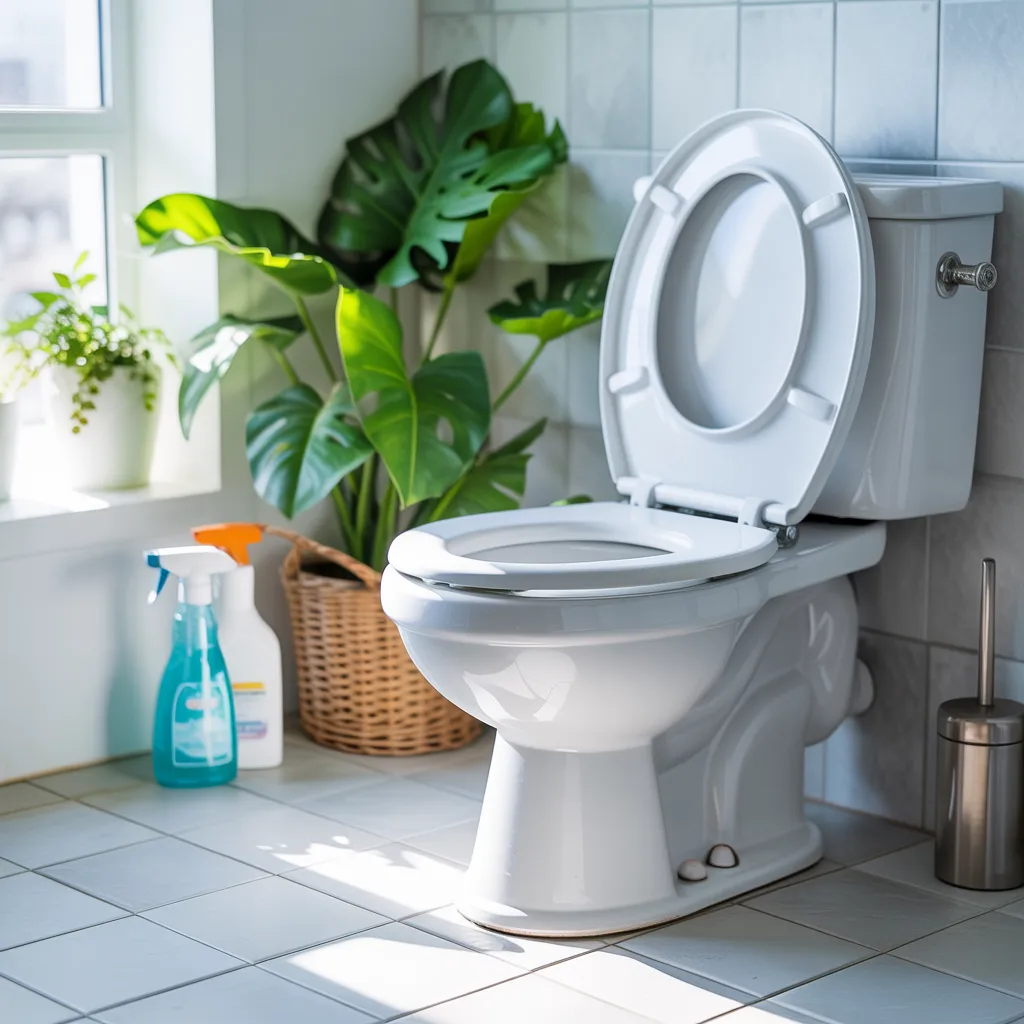
Preventing toilet seat discolouration is much easier than trying to remove stains later. Most of the time, the problem starts due to everyday habits, moisture build-up, and the use of strong cleaning chemicals. Understanding why a toilet seat becomes discoloured helps you take the right steps to stop it from happening in the first place.
1. Clean Regularly (But Gently)
Wipe your toilet seat at least 2–3 times a week using a mild cleaner or soap solution. Regular cleaning prevents dirt, urine splashes, and bacteria from settling into the surface and forming stains.
Avoid letting grime build up for too long, as old stains are harder to remove and can permanently change the colour of the seat.
2. Avoid Harsh Cleaning Chemicals
Strong products like bleach or acidic cleaners can damage the plastic surface of the toilet seat. Over time, this damage leads to yellowing and uneven discolouration.
Instead, use:
- Mild dish soap and warm water
- Vinegar solution (for light cleaning)
- Non-abrasive bathroom cleaners
3. Keep the toilet area dry.
Moisture is one of the main reasons behind stains and mould growth. After cleaning, always dry the seat with a soft cloth.
Also, try to:
- Improve bathroom ventilation
- Keep the lid open after cleaning to let air circulate.
4. Clean Urine Splashes Immediately
Even small urine drops can cause yellow stains if left untreated. Wipe the seat and surrounding area immediately to prevent build-up.
This simple habit can significantly reduce long-term discolouration.
5. Protect the Seat from Sunlight
Direct sunlight can weaken and fade plastic toilet seats over time. If your bathroom has a window, try using curtains or blinds to reduce UV exposure.
6. Choose a High-Quality Toilet Seat.
Toilet seats made from low-grade plastic tend to lose their original color more quickly because the material is less resistant to wear and environmental factors. Investing in a durable, UV-resistant seat can prevent early yellowing and extend its lifespan.
Final Tip
Most discolouration issues are caused by a mix of poor maintenance, harsh cleaning, and moisture exposure. Once you understand why a toilet seat becomes discoloured, you can easily prevent it with consistent care and the right cleaning habits.
When Should You Replace a Toilet Seat?
Even though most toilet seat discolouration can be cleaned, there comes a point when replacement is the better option. Understanding why a toilet seat becomes discoloured also helps you decide whether the issue is just surface-level staining or permanent damage.
1. Stains That Don’t Go Away
If yellow, brown, or dark stains remain even after deep cleaning, the material may have absorbed the discolouration. This often happens with older or low-quality plastic seats, and no amount of scrubbing will fully restore the original colour.
2. Cracks or Surface Damage
Small cracks may seem harmless, but they trap dirt, moisture, and bacteria. Over time, these cracks can worsen and make cleaning ineffective, leading to constant discolouration and hygiene issues.
3. Persistent Bad Odour
If your toilet seat still smells unpleasant after thorough cleaning, bacteria may be embedded in the material. This is a strong sign that cleaning is no longer enough and replacement is needed.
4. Yellowing Due to Age
Plastic naturally degrades over time. UV exposure, cleaning chemicals, and regular use can cause permanent yellowing. This is one of the most common reasons behind why a toilet seat becomes discoloured in older bathrooms.
5. Loose or Unstable Fittings
If the seat keeps shifting, wobbling, or not staying tight even after repairs, it’s safer and more practical to replace it entirely.
Final Tip
If your toilet seat shows more than one of these signs, replacement is usually more cost-effective than repeated cleaning or repairs. A new, high-quality seat not only improves hygiene but also prevents future discolouration problems.
FAQs
1. Why does a toilet seat become discoloured over time?
A toilet seat becomes discoloured mainly due to a mix of factors such as hard water stains, frequent exposure to moisture, urine splashes, and cleaning chemicals. Over time, these elements react with the plastic surface, causing yellowing, brown marks, or dull patches. Poor bathroom ventilation can also speed up this process.
2. Is toilet seat discolouration a sign of poor hygiene?
Not always. Even in clean bathrooms, toilet seats become discoloured because of natural wear, mineral buildup, and exposure to cleaning agents. However, lack of regular cleaning can make the stains worse and more noticeable.
3. Can a discoloured toilet seat be cleaned or restored?
Yes, in many cases a discoloured toilet seat can be cleaned using mild solutions like baking soda, vinegar, or hydrogen peroxide. These help remove surface stains. However, if the discolouration is deep or caused by ageing plastic, cleaning may only improve it slightly.
4. Does bleach cause toilet seat discolouration?
Yes, frequent use of strong bleach can actually make the problem worse. While it disinfects, it can also react with plastic and cause yellowing. This is one reason why toilet seats become discoloured in many households despite regular cleaning.
5. When should I replace a discoloured toilet seat?
You should consider replacement if the toilet seat remains stained after deep cleaning, has cracks, emits odour, or looks permanently yellow or dull. In such cases, the material has likely degraded, and cleaning will not fully restore it.
Conclusion
Understanding why a toilet seat becomes discoloured helps you deal with the problem more effectively instead of just covering it up. In most cases, discolouration happens due to everyday factors like hard water deposits, moisture, bacteria buildup, cleaning chemicals, and the natural ageing of plastic.
The good news is that many stains can be reduced or removed with proper cleaning methods, and regular maintenance can slow down the process significantly. Simple habits like cleaning regularly, avoiding harsh chemicals, and improving bathroom ventilation can make a big difference in keeping your toilet seat looking clean and fresh.
However, if the toilet seat becomes permanently discoloured or damaged, replacement is often the most practical solution. A clean, well-maintained toilet seat not only improves the appearance of your bathroom but also supports better hygiene overall.
If you want a complete guide on Common Toilet Seat Problems and Their Solution and how to choose the right one for your bathroom, check out our latest detailed post for expert insights and easy buying tips.