
Introduction
The types of toilet seats guide is designed to help you understand the different options available so you can choose the right seat for your bathroom. Toilet seats may seem like a small detail, but the right choice can greatly improve comfort, hygiene, and overall usability.
From simple standard designs to advanced smart and bidet options, each type offers unique features for different needs. In this guide, you’ll learn about all major toilet seat types, their benefits, and how to select the best one for your home.
Table of Contents
Main Types of Toilet Seats Explained
Understanding the types of toilet seats guide is important when choosing the right seat for comfort, hygiene, and long-term use. Each type is designed with different features, so knowing the differences helps you make a better decision for your bathroom.

Standard Toilet Seats
Standard toilet seats are the most common and widely used type. They come in a simple design with a basic lid and seat, making them affordable and straightforward to replace. These seats are ideal for everyday use but do not include advanced features like slow closing or quick removal.
Soft-Close Toilet Seats
Soft-close toilet seats are built to lower gently and silently, helping to avoid sudden bangs and noisy slams. This feature reduces noise and also protects the seat from damage over time. They are a wonderful option for families, especially in shared or frequently used bathrooms.
Quick-Release Toilet Seats
Quick-release toilet seats are designed for easy cleaning. With a simple mechanism, the seat can be detached in seconds, allowing you to clean hard-to-reach areas properly. This type is especially useful for maintaining better bathroom hygiene.
Heated Toilet Seats
Heated toilet seats provide extra comfort by warming the seat surface, especially during cold weather. They are usually powered by electricity and are commonly found in modern or luxury bathrooms. While they offer comfort, they may require more installation planning.
Bidet Toilet Seats
Bidet toilet seats come with built-in washing features that improve personal hygiene. They reduce the need for toilet paper and are considered more eco-friendly. Many models also include adjustable water pressure and temperature settings for added comfort.
Smart Toilet Seats
Smart toilet seats are the most advanced option in the types of toilet seats guide. They may include features like automatic lid opening, night lights, remote control functions, and even air drying systems. These seats are designed for modern smart bathrooms and premium comfort.
Each type of toilet seat offers unique benefits, so the best choice depends on your budget, comfort needs, and bathroom style.
Toilet Seat Materials Explained
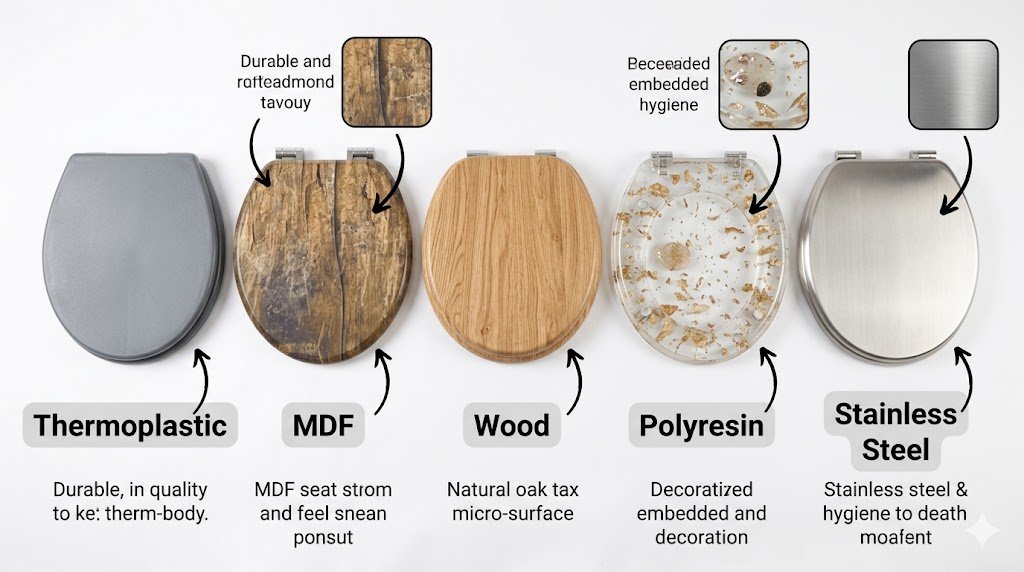
When following a types of toilet seats guide, understanding materials is just as important as knowing the seat styles. The material affects comfort, durability, hygiene, and how easy the seat is to clean and maintain over time.
Plastic Toilet Seats
Plastic is the most common material used in toilet seats. It is lightweight, affordable, and easy to clean, making it a popular choice in many homes. In most types of toilet seat guide comparisons, plastic seats are recommended for budget-friendly and low-maintenance bathrooms. However, lower-quality plastic can scratch or crack over time.
Wooden Toilet Seats
Wooden seats offer a more solid and premium feel compared to plastic. They are heavier and often more comfortable to sit on, especially in colder weather. In this type of toilet seat guide, wooden options are ideal for people who prefer a traditional or decorative bathroom style. The downside is that they require more care and can be affected by moisture if not properly sealed.
MDF (Engineered Wood) Toilet Seats
MDF seats are made from compressed wood fibres and coated with a protective layer. They are more durable than natural wood and often come in stylish finishes. According to most types of toilet-seat guide recommendations, MDF seats are a good balance between cost, strength, and appearance. However, if the coating gets damaged, moisture can still cause swelling.
Thermoset (Duroplast) Toilet Seats
Thermoset or Duroplast seats are made from a hard, scratch-resistant material that feels similar to ceramic. They are highly durable, hygienic, and resistant to chemicals and stains. In a modern type of toilet seat guide, this material is often recommended for long-term use and easy cleaning, especially in busy households.
Hinges and Hardware Materials
While not the seat itself, hinges play an important role in durability. Stainless steel hinges are preferred because they resist rust and provide strong support. Many types of toilet seats’ guides highlight hinges as a key factor in overall seat lifespan.
Choosing the right material depends on your budget, usage, and cleaning preference. A good understanding from this type of toilet seat guide helps you select a seat that lasts longer and stays hygienic with minimal effort.
If you want a complete guide on toilet seats materials and how to choose the right one for your bathroom, check out our latest detailed post for expert insights and easy buying tips.
How to Choose the Right Toilet Seat
Choosing the right option from the types of toilet seats guide depends on a few practical factors, like comfort, compatibility, hygiene, and budget. A well-chosen toilet seat can improve daily comfort and make cleaning much easier.

Check Toilet Shape and Size
Before anything else, make sure the toilet seat matches the shape of your toilet bowl. The majority of toilets come in two common bowl shapes: round and elongated. A mismatch will cause discomfort and improper fitting, so always measure your toilet before buying.
Focus on Comfort and Usage
Comfort is a key part of selecting from the types of toilet seats guide. If the bathroom is used frequently, a soft-close or padded seat can improve user experience. For elderly users or children, stability and ease of use should be prioritised.
Consider Hygiene Features
If cleanliness is important to you, look for features like quick-release systems or easy-to-clean surfaces. These options help you maintain better hygiene with less effort and reduce hidden dirt buildup.
Choose the Right Material
Toilet seats come in different materials such as plastic, wood, or composite. Plastic is lightweight and easy to clean, while wooden seats offer a more premium feel. Your choice should depend on durability needs and bathroom style.
Look at Extra Features and Budget
Modern options in the types of toilet seats guide include soft-close lids, heated seats, and even smart controls. While these add comfort, they also increase cost. Set a budget first and choose features that truly add value to your daily use.
Final Tip
The right toilet seat is not just about appearance—it should match your toilet type, support your daily needs, and be easy to maintain. Taking time to compare options will help you make a smarter and longer-lasting choice.
Installation Guide (Simple Overview)
Installing a toilet seat is usually a quick and simple task, but understanding the process helps you avoid common mistakes. In this type of toilet seat guide, knowing how installation works can also help you choose the right seat type based on ease of fitting and maintenance.
Step 1: Remove the Old Toilet Seat
Start by loosening the bolts located at the back of the existing seat. Most seats can be removed using a screwdriver or simple hand tools. Once the bolts are loose, lift the old seat off the toilet carefully.
Step 2: Clean the Surface Area
Before installing the new seat, clean the area around the mounting holes. This ensures proper fitting and improves hygiene. A clean surface also helps the new seat stay stable and secure.
Step 3: Align the New Toilet Seat
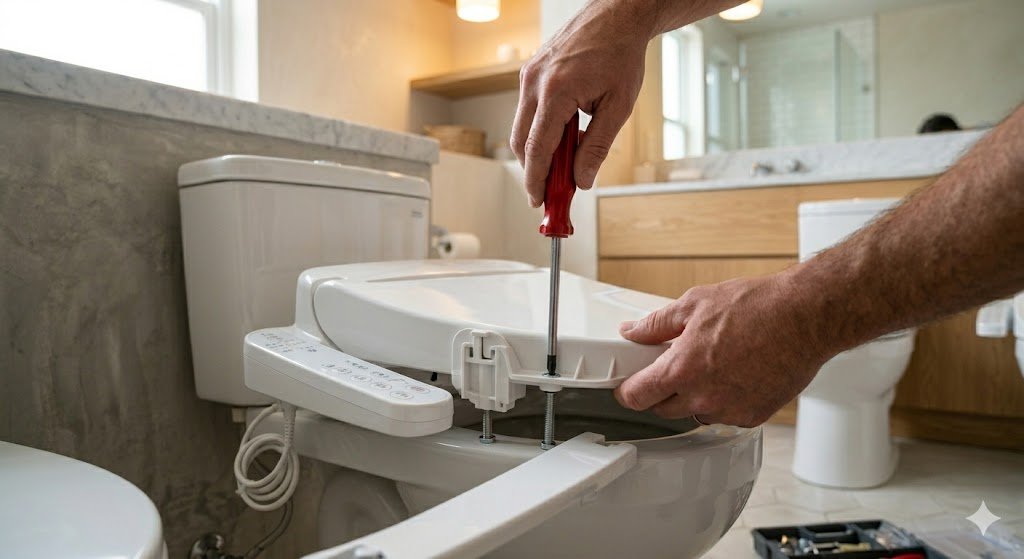
Place the new seat on the toilet bowl and align it with the mounting holes. Make sure it is centred properly so it sits evenly. This step is important in all types mentioned in the types of toilet seats guide, especially for soft-close and quick-release models.
Step 4: Secure the Bolts
Insert the bolts through the holes and tighten them carefully. Avoid over-tightening, as this can damage the seat or cause cracks. Ensure the seat feels firm and does not move side to side.
Step 5: Test the Seat
Once installed, open and close the seat a few times. Check for stability, alignment, and smooth closing (if it’s a soft-close model). Make sure everything works properly before regular use.
Final Tip
Some modern toilet seats, especially quick-release and smart models, may have slightly different installation steps. Always follow the manufacturer’s instructions for the best results.
Common Problems with Toilet Seats & Fixes
Even when you choose the right option from this type of toilet seat guide, toilet seats can develop issues over time due to regular use. The good news is that most problems are simple to fix without needing a replacement.
Loose or Wobbly Seat

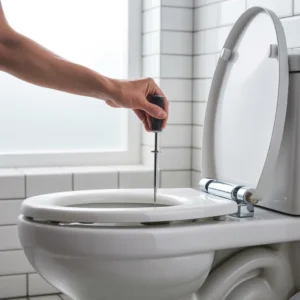
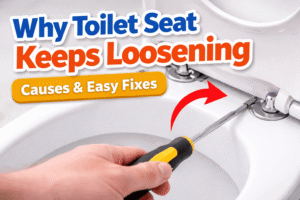
One of the most common issues is a loose toilet seat. Over time, the mounting bolts can gradually loosen and cause this issue.
Fix:
Tighten the hinge bolts evenly on both sides. If the seat still moves, check for worn-out washers or replace the fittings for a more secure hold.
Loud Slamming Noise
Seats without a soft-close feature often close with a loud bang, which can be annoying and may damage the seat over time.
Fix:
If you have a soft-close model, check the hinge mechanism for dirt or damage. For standard seats, consider upgrading to a soft-close option from the types of toilet seats guide for better performance.
Cracks or Surface Damage
Plastic and wooden toilet seats may crack over time because of daily wear, heavy pressure, or low-grade materials.
Fix:
Small cracks cannot usually be repaired safely. It’s best to replace the seat to avoid further damage or discomfort.
Seat Misalignment
Sometimes the seat shifts to one side, making it uncomfortable to use.
Fix:
Loosen the bolts, realign the seat properly, and retighten evenly. This ensures correct positioning and stability.
Difficult Cleaning Areas
Dirt can build up in hard-to-reach areas around hinges and fittings, especially in traditional designs.
Fix:
Quick-release seats of this type of toilet seat guide make cleaning easier. Detach the seat regularly and clean both the toilet surface and fittings thoroughly.
Hinges Becoming Rusty or Stiff
Metal hinges can wear out over time, especially in humid bathroom environments.
Fix:
Apply light lubrication if possible, or replace the hinge set if rust has already damaged the mechanism.
By understanding these common problems and fixes, you can extend the life of your toilet seat and maintain better hygiene and comfort in your bathroom.
Maintenance Tips for Long-Lasting Toilet Seats
Proper maintenance is essential if you want your toilet seat to stay durable, clean, and comfortable for years. In this type of toilet seat guide, good care habits can make a big difference regardless of whether you choose a standard, soft-close, or smart model.
Clean Regularly with Mild Products
Always clean your toilet seat using mild soap and warm water. Harsh chemicals can damage the surface and reduce the lifespan of the seat, especially plastic and wooden types. Regular cleaning also helps maintain hygiene and prevents stains.
Avoid Excess Moisture
Too much water exposure can weaken hinges and damage certain materials over time. After cleaning, make sure the seat is dried properly. This is especially important for wooden or MDF seats mentioned in this type of toilet seat guide.
Check Hinges and Fittings
Loose hinges are a common issue. Inspect the bolts and fittings every few weeks to ensure everything is tight and stable. If you notice movement, tighten it gently to avoid further damage.
Handle Soft-Close Seats Carefully
Soft-close toilet seats should never be forced shut. Let the mechanism work naturally to prevent damage. Rough handling can reduce the lifespan of the slow-close system.
Clean Quick-Release Mechanisms Properly
For quick-release models, remove the seat occasionally and clean the hidden areas around the hinges. This prevents dirt buildup and keeps the mechanism working smoothly.
Replace When Needed
Even with proper care, toilet seats eventually wear out. Cracks, discolouration, or unstable fittings are signs that it’s time for a replacement. Choosing the right type from this types of toilet seats guide can help extend replacement time.
With simple and regular maintenance, you can keep any toilet seat type in excellent condition and ensure long-term comfort and hygiene.
Frequently Asked Questions (FAQ)
What are the main types of toilet seats?
The main types include standard, soft-close, quick-release, heated, bidet, and smart toilet seats. Each type offers different features, from basic functionality to advanced comfort and hygiene upgrades.
Which toilet seat type is easiest to clean?
Quick-release toilet seats are the easiest to clean. They can be removed quickly without tools, allowing you to clean around the hinges and hidden areas more effectively.
Are soft-close toilet seats worth it?
Yes, soft-close seats are worth it for most homes. They prevent loud noise, reduce wear and tear, and add a safer experience, especially for children.
What is the most comfortable toilet seat type?
Heated and padded seats are generally the most comfortable. However, smart bidet toilet seats also offer enhanced comfort with additional features like warm water washing and adjustable settings.
How long does a toilet seat usually last?
On average, a good-quality toilet seat lasts 3 to 5 years. However, durability depends on usage, material quality, and maintenance practices explained in this type of toilet seat guide.
Which toilet seat type is best for hygiene?
Bidet and quick-release toilet seats are best for hygiene. They reduce manual cleaning effort and improve overall bathroom cleanliness.
Can I install a toilet seat myself?
Yes, most toilet seats are designed for easy DIY installation. With basic tools and simple steps, you can install or replace a seat in just a few minutes.
Conclusion
Choosing the right toilet seat becomes much easier once you understand the different options available in this type of toilet seat guide. From basic standard seats to advanced smart and bidet models, each type is designed to meet different comfort, hygiene, and lifestyle needs.
If you want something simple and affordable, a standard seat works well. For added comfort and durability, soft-close or quick-release options are better choices. And if you are upgrading your bathroom, heated bidet or smart toilet seats can significantly improve your daily experience.
In the end, the best toilet seat is the one that matches your bathroom setup, budget, and personal preferences. Use this guide as a reference whenever you plan to replace or upgrade your toilet seat so you can make a confident and practical decision.
If you want a complete guide on toilet seats and how to choose the right one for your bathroom, check out our latest detailed post for expert insights and easy buying tips.