Introduction
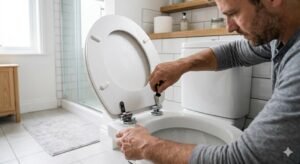
How to fix a toilet seat that won’t stay up is a common question for many households dealing with an annoying but fixable bathroom problem. When a toilet seat keeps falling, it’s usually due to loose hinges, worn-out parts, or improper installation.
The good news is that in most cases, you don’t need to replace the entire seat. With a few simple tools and basic adjustments, you can restore stability and make your toilet seat stay up properly again. This guide will walk you through the causes and easy DIY solutions step by step.
Table of Contents
Why Your Toilet Seat Won’t Stay Up
If you are searching for how to fix a toilet seat that won’t stay up, the first step is understanding what is causing the problem. In most cases, the issue comes from worn-out parts, loose hardware, or poor installation. Over time, toilet seats experience daily use, which can weaken the hinges and reduce stability.
Here are the most common reasons your toilet seat will not stay upright.
Loose or Worn Hinges
The hinges are the main parts that allow the toilet seat to move up and down smoothly. When these hinges become loose, damaged, or worn out, the seat may slowly fall back down instead of staying in place. Plastic hinges are especially likely to wear out faster than metal ones.
Broken Seat Tension Mechanism
Some modern toilet seats include a small tension system that helps hold the seat upright. If this mechanism breaks or loses strength, the seat can no longer remain in the raised position. This is common in older or heavily used toilet seats.
Incorrect Toilet Seat Installation
A toilet seat that was installed incorrectly may not function properly from the beginning. Misaligned hinges or unevenly tightened bolts can affect the seat’s balance and prevent it from staying up securely.
Damaged or Rusted Hardware
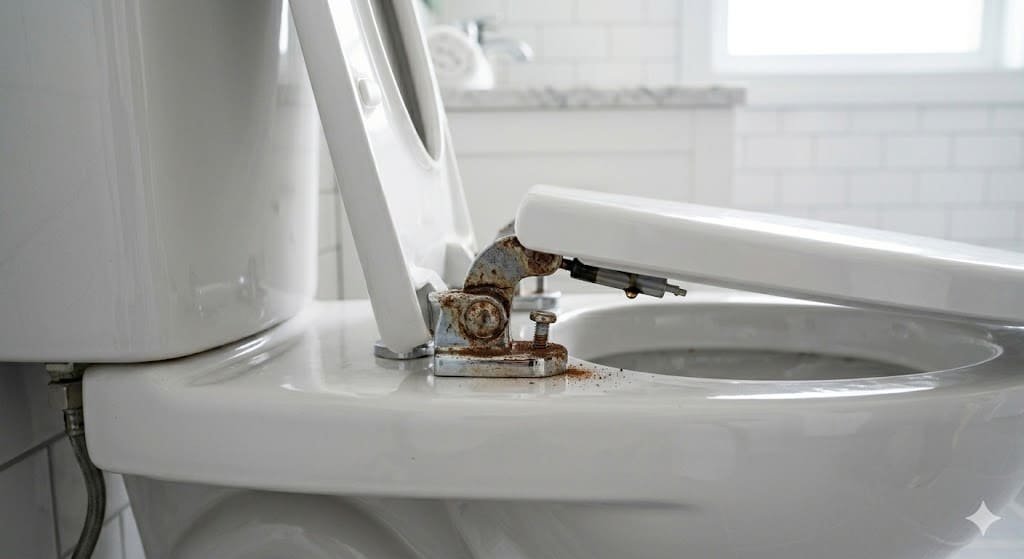
Bolts, washers, and mounting brackets can become damaged over time due to moisture and regular use. Rusted or cracked hardware may no longer provide enough support, causing the seat to fall unexpectedly.
Low-Quality or Ageing Toilet Seats
Cheap toilet seats often use lightweight materials that wear out quickly. As the seat ages, the components lose strength and stability. In some cases, replacing the entire seat is more effective than repairing individual parts.
Understanding these common causes makes it easier to decide how to fix a toilet seat that won’t stay up without wasting time or money on unnecessary repairs.
Signs Your Toilet Seat Needs Repair or Replacement
Before learning how to fix a toilet seat that won’t stay up, it is important to recognise the warning signs that something is wrong. Some problems can be repaired quickly, while others may require a complete toilet seat replacement. Ignoring these signs can make the issue worse over time.
The Seat Falls Down Immediately
One of the most obvious signs is when the toilet seat cannot remain in the upright position. This usually happens because the hinges have become loose, worn out, or damaged. In some cases, the internal tension mechanism no longer works properly.
The toilet seat feels loose or wobbly.
If the seat shifts from side to side or moves when you sit down, the mounting bolts or washers may be loose. A wobbly seat is not only uncomfortable but can also lead to further damage if left unfixed.
Cracks or Visible Damage Appears
Small cracks in the seat or hinge area often grow larger over time. Cracked toilet seats can become unsafe and difficult to repair. If the damage is severe, replacing the entire seat is usually the best solution.
Rust or Corrosion Around the Hinges
Metal hinges and bolts can develop rust after years of exposure to moisture. Corroded hardware may prevent the seat from staying upright and can make adjustments difficult. Replacing rusty parts can often restore proper function.
The seat keeps loosening after tightening.
If you repeatedly tighten the bolts but the seat becomes loose again within days, the hardware may be worn out. Stripped bolts, damaged washers, or broken hinge components are common causes of this problem.
Unusual Noises During Movement
Squeaking, clicking, or cracking sounds when lifting the seat can indicate worn hinges or weak mounting hardware. These noises often appear before the seat completely fails.
Recognising these issues early can help you decide whether a quick repair is enough or if a full replacement is needed. In many cases, knowing how to fix a toilet seat that won’t stay up can save both time and money.
If you want a complete guide on Common Toilet Seat Problems and Their Solution and how to choose the right one for your bathroom, check out our latest detailed post for expert insights and easy buying tips.
Tools and Materials You May Need
Before you start learning how to fix a toilet seat that won’t stay up, it’s important to gather the right tools and materials. Most toilet seat repairs are simple and can be completed with basic household items. Having everything ready will make the repair process faster and easier.
Screwdriver
A flathead or Phillips screwdriver is commonly needed to loosen or tighten the toilet seat bolts. Some toilet seats use plastic screws, while others use metal hardware.
Adjustable wrench
An adjustable wrench helps hold nuts in place while tightening or removing bolts underneath the toilet seat. This tool is especially useful for older seats with rusted hardware.
Replacement hinges or hinge kits
If the hinges are broken or worn out, replacing them is often the best solution. Many toilet seat repair kits include hinges, bolts, and washers together.
Rubber Washers
Rubber washers help keep the toilet seat stable and reduce movement. Worn or missing washers are a common reason a toilet seat will not stay upright properly.
Cleaning Cloth or Paper Towels
Cleaning the area around the hinges before repairing the seat helps remove dirt, moisture, and buildup that may affect installation.
Lubricant Spray
A lubricant spray can loosen stuck or rusty bolts, making removal much easier. Apply it carefully to avoid damaging nearby surfaces.
Replacement Toilet Seat
Sometimes the easiest way to fix a toilet seat that won’t stay up is to replace the entire seat. If the seat is cracked, badly worn, or made from low-quality materials, installing a new one may save time and prevent future problems.
How to Fix a Toilet Seat That Won’t Stay Up
If you are wondering how to fix a toilet seat that won’t stay up, the good news is that most problems are simple to repair. In many cases, the issue is caused by loose hinges, worn hardware, or poor seat alignment. With a few basic tools and a little time, you can restore your toilet seat and keep it working properly again.
Step 1 – Inspect the toilet seat hinges.
Start by checking the hinges located at the back of the toilet seat. Lift the seat and look for any loose, cracked, or damaged parts. Hinges that have become worn over time may no longer hold the seat in an upright position.
If you notice rust, broken plastic, or unstable movement, the hinges may need adjustment or replacement.
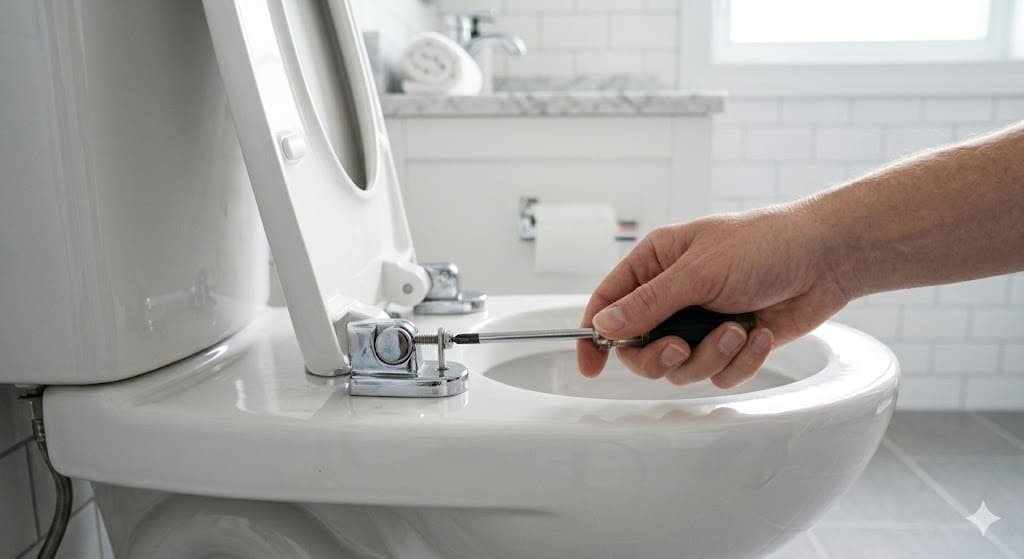
Step 2 – Tighten the mounting bolts.
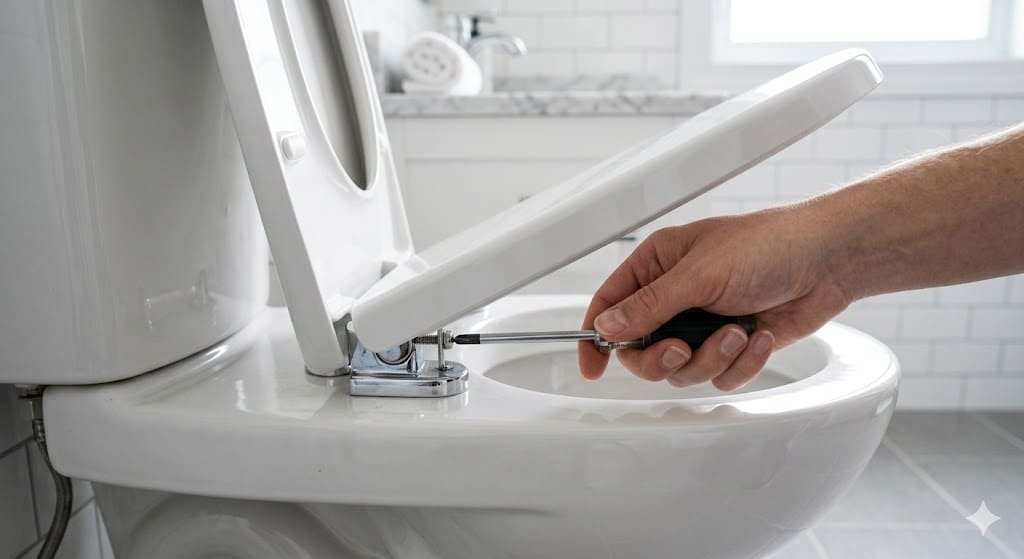
Loose mounting bolts are one of the most common reasons a toilet seat falls down. Locate the bolts behind the seat and tighten them using a screwdriver or an adjustable wrench.
Be careful not to over-tighten the hardware, as this can damage plastic components or crack the seat. Tightening the bolts evenly on both sides helps keep the seat balanced and stable.
Step 3 – Replace Worn Washers or Hinges
If tightening does not solve the issue, inspect the washers and hinge parts more closely. Old rubber washers and weak hinges often lose their grip over time.
Remove the damaged hardware and install new replacement parts that match your toilet seat model. Many toilet seat repair kits are inexpensive and easy to install without professional help.
Step 4 – Adjust the toilet seat alignment.
A toilet seat that is not centred properly may fail to stay upright. Loosen the bolts slightly and reposition the seat so it sits evenly on the bowl.
Once aligned correctly, tighten the hardware again and test the movement. Proper alignment improves both stability and comfort.
Step 5 – Test the Seat After Repairs
After making adjustments or replacing parts, lift and lower the seat several times. The seat should move smoothly and remain upright without falling back down.
If the problem continues, the seat itself may be too old or damaged to repair. In that case, replacing the entire toilet seat is usually the best long-term solution.
By following these simple steps, you can quickly learn how to fix a toilet seat that won’t stay up without calling a plumber. Regular maintenance and occasional tightening can also help prevent the problem from returning in the future.
How to Replace a Toilet Seat That Keeps Falling Down
If tightening the hinges and adjusting the hardware does not solve the issue, replacing the seat may be the best solution. Many older or low-quality seats lose their ability to stay upright over time due to worn hinges, damaged mounting parts, or weak materials. Understanding how to repair a toilet seat that won’t stay upright usually involves properly fitting and securing a replacement seat.
Removing the Old Toilet Seat
Start by locating the mounting bolts behind the toilet seat. Most seats have plastic covers that can be lifted with a flat screwdriver. Hold the nut underneath the bowl while loosening the bolts from the top.
Once the bolts are removed, lift the old seat away from the toilet. Clean the mounting area thoroughly before installing the replacement seat. Dirt and moisture around the hinges can affect the fit and stability of the new seat.
Choosing the Correct Replacement Seat
Before buying a replacement, measure your toilet bowl shape. The majority of toilets are designed to fit either a round-shaped seat or an elongated one. Choosing the wrong size can cause alignment issues and make the seat unstable.
Look for durable toilet seats with strong hinges and rust-resistant hardware. Heavy-duty or soft-close models usually last longer and stay in position better than cheaper plastic options.
Installing the New Seat Properly
Place the new seat on the bowl and align the mounting holes carefully. Insert the bolts through the holes and tighten the nuts evenly underneath. Avoid over-tightening because it can crack plastic hardware or shift the alignment.
After installation, test the seat several times by lifting and lowering it. A properly installed seat should stay upright without falling forward. Replacing damaged hardware is one of the most effective ways to fix a toilet seat that won’t stay up and improve long-term stability.
Common Mistakes to Avoid
When learning how to fix a toilet seat that won’t stay up, many people make small mistakes that can lead to bigger problems later. Avoiding these common errors can save time, money, and frustration.
Over-Tightening the Bolts
Tightening the bolts too much can crack plastic parts, damage the hinges, or even break the toilet seat completely. The bolts should feel secure, but not extremely tight. A gentle but firm fit is usually enough.
Using the Wrong Replacement Parts
Not all toilet seats and hinge kits are the same size. Using incorrect bolts, washers, or hinges can make the seat unstable and prevent it from staying upright properly. Always check the seat model and measurements before buying replacement parts.
Ignoring Rust or Corrosion
Rusty hardware is a common reason a toilet seat becomes loose or starts falling down. Some people only tighten the bolts without replacing corroded parts. If you notice rust, replace the damaged hardware instead of trying to reuse it.
Misaligning the toilet seat
If the seat is not centred correctly during installation, it may shift or fall unexpectedly. Before you fully secure the bolts, ensure the seat is properly centred and evenly aligned with the toilet bowl.
Choosing a Low-Quality Toilet Seat
Cheap toilet seats often wear out faster and may not have strong hinge support. Investing in a durable toilet seat can help prevent future problems and improve long-term stability.
Skipping Regular Maintenance
Many homeowners fix the problem once and never check the site again. Over time, normal use can loosen the hardware. Checking and tightening the seat every few months can help keep it secure and functioning properly.
By avoiding these mistakes, you can successfully learn how to fix a toilet seat that won’t stay up and keep your bathroom fixture stable for a longer time.
Best Toilet Seat Types That Stay Up Better
If you constantly deal with a toilet seat that falls down, choosing the right type of seat can solve the problem permanently. Some models are designed with stronger hinges, better balance, and more durable materials that help the seat remain upright properly. When learning how to fix toilet seat that won’t stay up issues, upgrading to a better seat is often the smartest long-term solution.
Soft-Close Toilet Seats
Soft-close toilet seats use special hinge mechanisms that control movement smoothly. While they are mainly designed to prevent slamming, many high-quality soft-close models also stay upright more securely. Their hinges are usually stronger and more stable than standard seats, reducing the chances of the seat falling unexpectedly.
Heavy-Duty Toilet Seats
Heavy-duty toilet seats are built with reinforced materials and stronger mounting hardware. These seats are less likely to loosen over time, making them a great option for busy households. Because they are sturdier, they often hold their upright position better than lightweight plastic models.
Adjustable Hinge Toilet Seats
Some modern toilet seats come with adjustable hinges that allow better positioning and tension control. This helps keep the seat balanced and stable when lifted. If you repeatedly struggle with how to fix toilet seat that won’t stay up problems, an adjustable hinge model can provide a more reliable fix.
Wooden Toilet Seats
Wooden toilet seats are generally heavier than plastic seats, which can help improve stability. Their solid construction often prevents wobbling and uneven movement. High-quality wooden seats also tend to use stronger hardware that lasts longer with regular use.
Durable Plastic Toilet Seats
Not all plastic toilet seats are low quality. Premium plastic seats made from thick, durable materials can work very well and stay upright properly. Look for models with stainless steel hinges and non-slip hardware for better performance and longer lifespan.
Choosing the Right Toilet Seat
When buying a replacement seat, focus on hinge quality, hardware strength, and material durability rather than just appearance. A well-made toilet seat can prevent constant repairs and make your bathroom more comfortable to use. In many cases, replacing an old low-quality seat is the easiest way to fix toilet seat that won’t stay up issues permanently.
How to Prevent Toilet Seat Problems in the Future
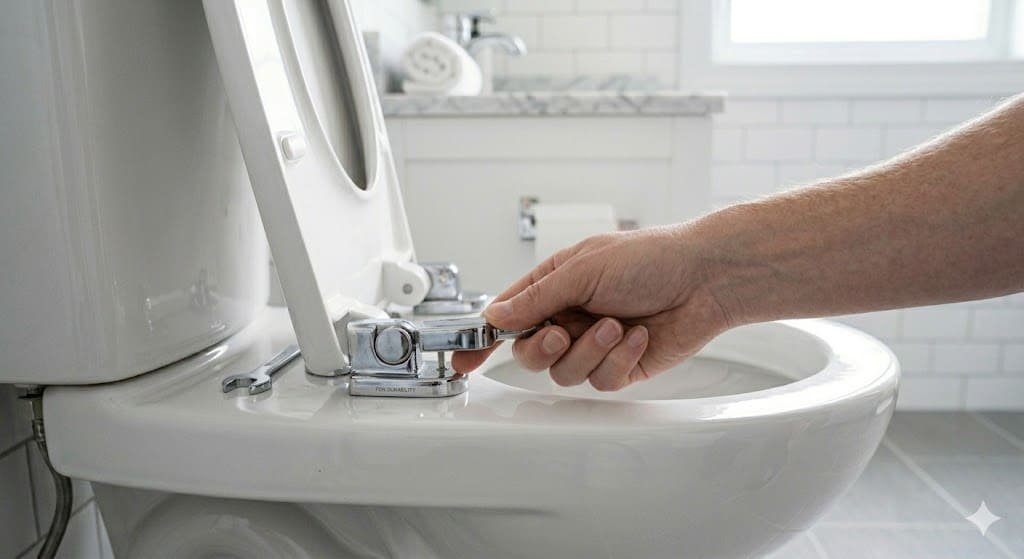
Once you understand how to fix a toilet seat that won’t stay up, the important next step is preventing the issue from returning again. Most toilet seat issues are caused by wear and poor maintenance, but a few simple habits can keep everything working smoothly for a long time.
Start by cleaning the hinges regularly. Dust, moisture, and grime can slowly loosen the fittings and affect how the seat holds its position. A quick wipe every week helps prevent build-up that leads to instability.
It’s also important to check the bolts every few months. Over time, normal use can cause them to loosen slightly. A simple tightening with a screwdriver can stop the seat from shifting or losing tension again.
Avoid putting unnecessary pressure on the seat or lid. Leaning on it or forcing it into position can weaken the hinges and cause the same issue you tried to fix earlier.
If you notice early signs of wear, such as slight wobbling or reduced resistance when lifting the seat, replace the washers or hinge parts immediately. Small repairs done early are much easier than repeating the full process of learning how to fix a toilet seat that won’t stay up again.
Finally, choosing a durable toilet seat made from strong materials can reduce future problems. High-quality hinges and fittings last longer and stay stable with less maintenance.
By following these simple steps, you can keep your toilet seat stable, reliable, and free from repeated issues.
FAQs
Why does my toilet seat keep falling down?
A toilet seat usually won’t stay up because the hinges are loose, worn out, or not providing enough friction. In many cases, the internal tension in the hinge wears down over time, especially in older or low-quality seats. If you’re learning how to fix a toilet seat that won’t stay up, checking the hinge condition is the first and most important step.
Can I fix a toilet seat without replacing it?
Yes, in many cases you can fix it without replacing the entire seat. Tightening the mounting bolts, replacing rubber washers, or adjusting the hinge tension can solve the issue. However, if the seat is cracked or the hinges are damaged, replacement is usually the better option.
How do I fix a toilet seat that won’t stay up?
Start by tightening the bolts under the seat and checking the hinges for wear. If the problem continues, replace the washers or hinge mechanism. For persistent issues, installing a new seat with stronger or adjustable hinges is the most reliable fix.
Are soft-close toilet seats better at staying up?
Soft-close seats are designed to close slowly and gently, but many models also have better hinge systems that help them stay in position more reliably. They are often a good upgrade if you frequently deal with instability or slipping.
How much does it cost to fix or replace a toilet seat?
Simple repairs like tightening bolts or replacing washers are very low-cost. Replacing hardware may cost a bit more, depending on the parts. A full toilet seat replacement is still relatively inexpensive and often more cost-effective than repeated repairs.
Final Thoughts
A toilet seat that won’t stay up is a common household issue, and in most cases, it doesn’t require complicated repairs. The problem usually comes down to loose hinges, worn-out washers, or a weakened tension system that can be fixed with simple tools and a few minutes of work.
If you are trying to understand how to fix a toilet seat that won’t stay up, start with tightening the bolts and checking the hinge condition. These small adjustments are often enough to restore proper function. If the damage is more serious, replacing the hinges or installing a new seat is a more reliable long-term solution.
With regular maintenance and proper installation, you can prevent the issue from coming back and keep your toilet seat stable and functional for years.
If you want a complete guide on toilet seats and how to choose the right one for your bathroom, check out our latest detailed post for expert insights and easy buying tips.
For complete guide to toilet safety, see bathsmartly’s guide to toilet safety.