Introduction
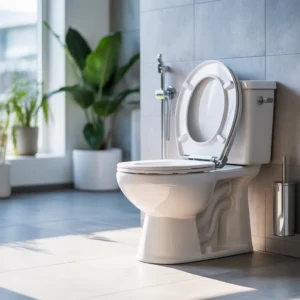
What is a standard toilet seat? If you’re shopping for a replacement toilet seat or planning a bathroom upgrade, understanding the answer to this question is essential. A standard toilet seat is the most common type of seat found in residential bathrooms and is designed to fit round toilet bowls.
In this guide, you’ll learn what a standard toilet seat is, its typical dimensions, how to measure for the correct fit, and how it compares to elongated toilet seats. We’ll also cover the different types available, their benefits, common problems, and tips for choosing the right replacement for your bathroom.
Table of Contents
What Is a Standard Toilet Seat?
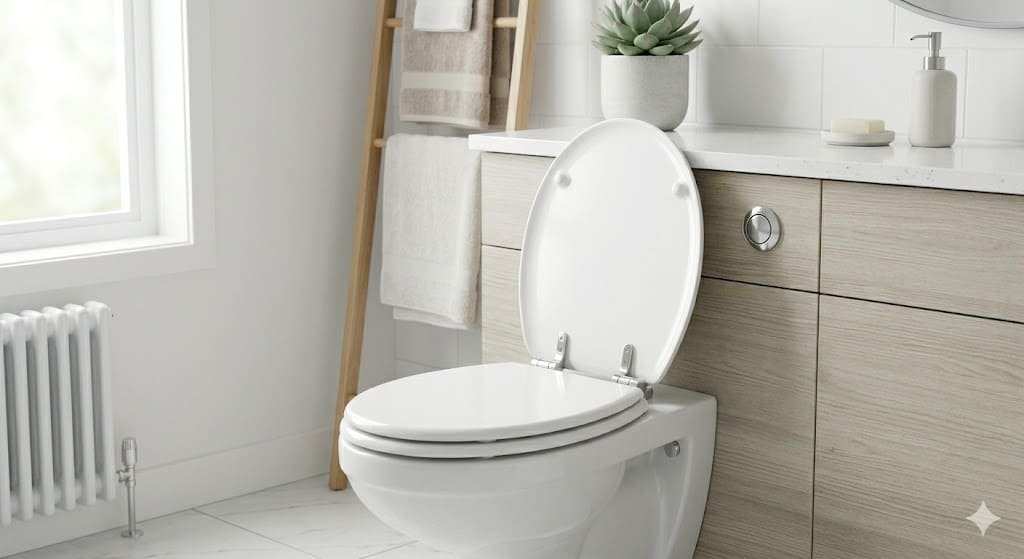
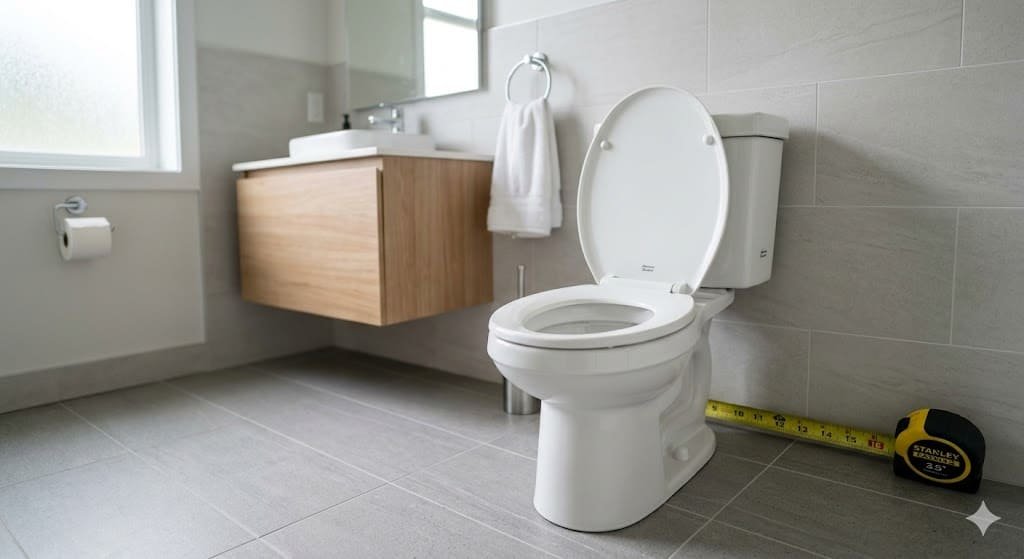
If you are wondering, a standard toilet seat is the most common type of toilet seat designed to fit a standard-sized toilet bowl. In most homes, a standard toilet seat refers to a round-shaped seat that measures approximately 16.5 inches from the mounting holes to the front edge of the seat.
Standard toilet seats are widely used because they are affordable, easy to find, and compatible with many residential toilets. They are available in various materials, including plastic, wood, and molded wood, allowing homeowners to choose a style that suits their bathroom and budget.
One of the key features of a standard toilet seat is its compact design. Compared to elongated toilet seats, standard models take up less space, making them a practical option for smaller bathrooms, powder rooms, and guest bathrooms.
Although the term “standard” is often associated with round toilet seats, it is still important to measure your toilet before purchasing a replacement. Not all toilet bowls are identical, and confirming the correct size helps ensure a proper fit.
Understanding what a standard toilet seat is can make shopping for a replacement much easier. Knowing its typical dimensions, shape, and compatibility, you can select a seat that fits comfortably and functions properly for years to come.
What Are the Standard Toilet Seat Dimensions?
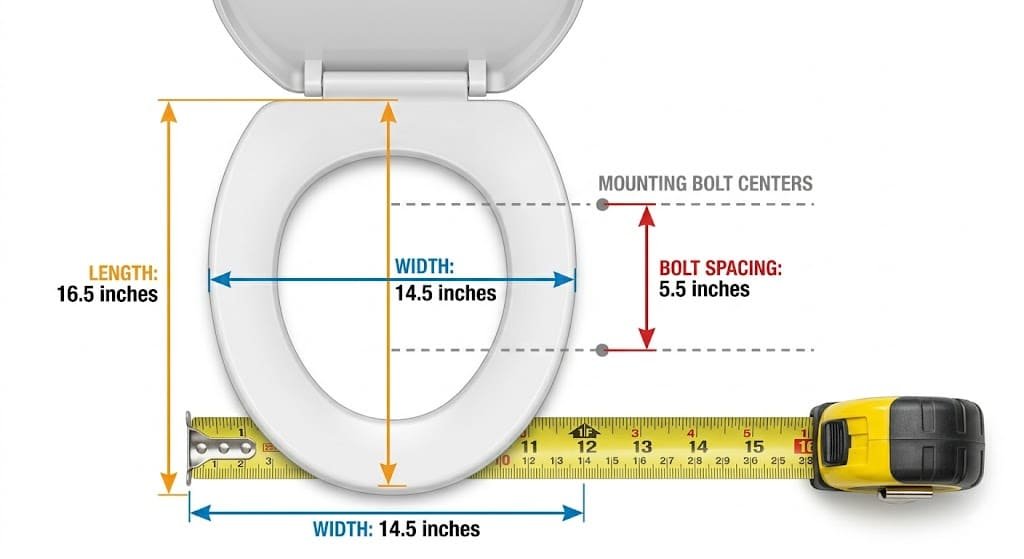
Understanding standard toilet seat dimensions is important when replacing an old seat or purchasing a new one. Although minor size differences may exist among brands, the majority of standard toilet seats are designed using widely accepted dimensions to fit most standard toilet bowls securely. If you’re asking what a standard toilet seat is, knowing these dimensions will help you identify the correct size for your bathroom.
Typical Length
The typical length of a standard toilet seat is approximately 16.5 inches (42 cm). Measure from the center of the rear mounting holes straight to the front tip of the toilet bowl. Standard toilet seats are generally round in shape and are shorter than elongated toilet seats, which usually measure around 18.5 inches.
Typical Width
Most standard toilet seats have a width of about 14 to 14.5 inches (35 to 37 cm) at their widest point. This width provides a comfortable seating area while maintaining a compact design that works well in smaller bathrooms and powder rooms.
Bolt Hole Spacing
Bolt hole spacing refers to the distance between the two mounting holes where the toilet seat attaches to the toilet bowl. In most standard toilets, this distance is 5.5 inches (140 mm) from center to center. This measurement is considered universal in many regions, making it easier to find compatible replacement seats.
Standard Measurements Explained
When discussing what is a standard toilet seat, the key measurements to consider are length, width, and bolt hole spacing. Together, these dimensions determine whether a toilet seat will fit your toilet properly. Although many standard toilet seats follow similar sizing guidelines, it is always a beneficial idea to measure your existing toilet before purchasing a replacement.
Here is a quick overview of common standard toilet seat dimensions:
| Measurement | Typical Size |
|---|---|
| Length | 16.5 inches (42 cm) |
| Width | 14–14.5 inches (35–37 cm) |
| Bolt Hole Spacing | 5.5 inches (140 mm) |
Knowing these measurements can help you choose a toilet seat that fits securely, looks proportionate, and provides long-lasting comfort.
How to Measure a Standard Toilet Seat
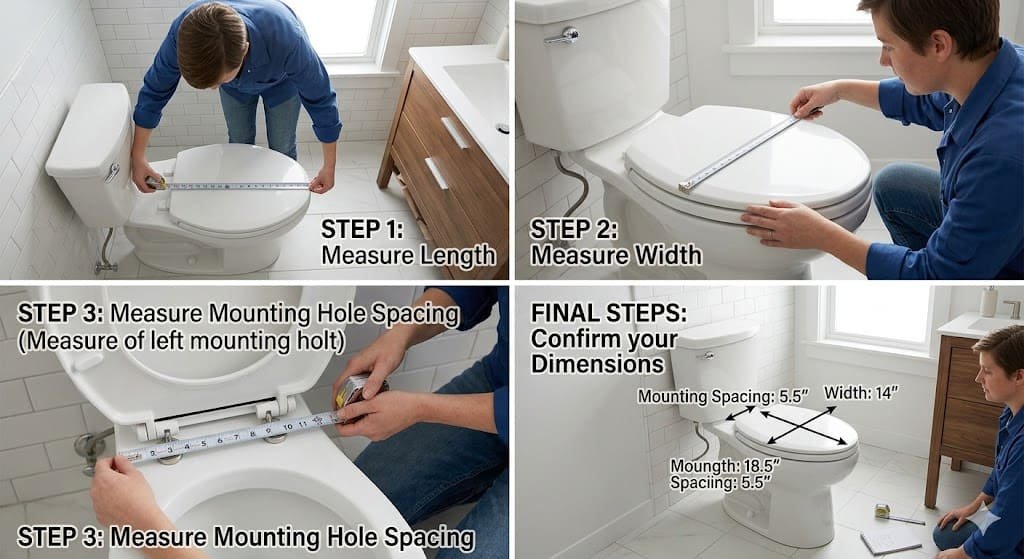
Knowing how to measure your toilet seat is essential when shopping for a replacement. If you’re researching what a standard toilet seat is, understanding the correct measurements will help you choose a seat that fits securely and comfortably. Fortunately, measuring a toilet seat is a simple process that only takes a few minutes.
Tools You Will Need
Before you begin, gather the following items:
- A measuring tape or ruler
- A notepad or phone for recording measurements
- A flashlight (optional for better visibility around the hinges)
These basic tools are enough to accurately measure your toilet seat and toilet bowl.
Measuring Length
To measure the length, place the end of the measuring tape at the center of the mounting holes located at the back of the toilet bowl. Extend the tape straight to the front edge of the bowl.
A standard round toilet seat typically measures around 16.5 inches in length, while elongated models are usually about 18.5 inches long. This measurement is often the easiest way to determine the type of seat your toilet requires.
Measuring Width
Next, measure the widest part of the toilet bowl from one side to the other. This is usually near the middle of the bowl.
While width measurements can vary slightly between manufacturers, recording this dimension helps ensure the replacement seat matches the shape and size of your toilet.
Measuring Bolt Distance
The bolt distance refers to the space between the two mounting holes where the toilet seat attaches to the bowl.
Measure from the center of one mounting hole to the center of the other. In most residential toilets, this distance is approximately 5.5 inches. This standard spacing allows many toilet seats to fit a wide range of toilet models.
Common Measuring Mistakes to Avoid
When measuring a toilet seat, avoid these common errors:
- Measuring the existing seat instead of the toilet bowl.
- Starting the length measurement from the tank rather than the mounting holes.
- Measuring bolt spacing from the edges of the holes instead of the centers.
- Assuming all toilet seats are the same size.
- Forgetting to write down measurements before shopping.
Taking accurate measurements helps ensure you purchase the correct replacement seat. Whether you’re replacing an old seat or learning what a standard toilet seat is, measuring carefully can save time, money, and frustration.
Standard Toilet Seat vs. Elongated Toilet Seat
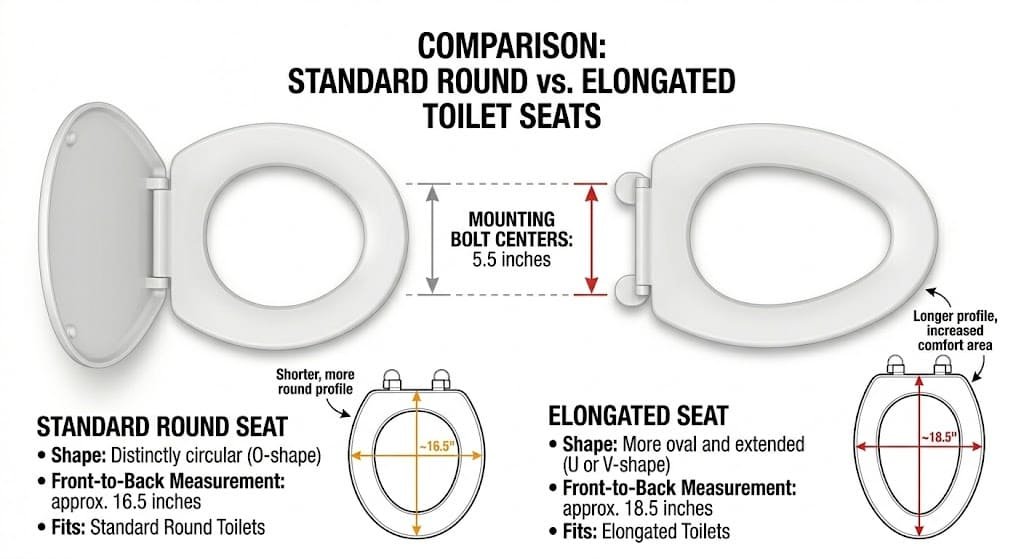
To better understand what a standard toilet seat is, it’s useful to compare it with an elongated toilet seat. These are the two most common toilet seat shapes found in homes, and each has its own advantages. The right choice depends on your bathroom size, comfort preferences, and the shape of your toilet bowl.
Shape Differences
The most noticeable difference between a standard toilet seat and an elongated toilet seat is the shape.
A standard toilet seat, often called a round toilet seat, has a more circular design with a shorter front section. In contrast, an elongated toilet seat has an oval-shaped design that extends farther toward the front of the toilet bowl.
Because of its compact shape, a standard toilet seat is commonly used in smaller bathrooms where space is limited.
Size Comparison
Size is another key factor when comparing these two toilet seat types.
A standard toilet seat typically measures about 16.5 inches from the mounting holes to the front edge of the bowl. An elongated toilet seat is usually around 18.5 inches long, making it approximately 2 inches longer than a standard model.
The additional length of an elongated seat provides more seating area but also requires more bathroom space. For compact bathrooms, a standard toilet seat is often the better fit.
Comfort Comparison
Many people find elongated toilet seats more comfortable because the larger seating area provides additional support. This extra space can make a noticeable difference during everyday use.
However, comfort is subjective. Some homeowners are perfectly satisfied with a standard toilet seat, especially when it is made from quality materials and properly fitted. Modern standard toilet seats also come with features such as soft-close hinges and ergonomic designs that enhance comfort.
Which One Is Better for Your Bathroom?
The right option will vary based on your bathroom space and personal preferences.
A standard toilet seat is often ideal if
- Your bathroom has limited space and requires a more compact toilet seat.
- You want a space-saving design.
- You need an affordable and widely available replacement seat.
An elongated toilet seat may be a better option if:
- Your toilet has an elongated bowl that requires a matching elongated seat.
- Comfort is your top priority.
- Your bathroom has sufficient room for a longer toilet seat design.
Ultimately, the correct choice should match the shape of your toilet bowl. If you’re researching what is a standard toilet seat, remember that a standard seat works best on round toilet bowls, while elongated seats are designed specifically for elongated bowls. Measuring your toilet before purchasing a replacement is the easiest way to ensure a proper fit.
Common Types of Standard Toilet Seats
If you’re researching what a standard toilet seat is, you’ll quickly discover that standard toilet seats come in several styles and materials. While they share the same basic shape and dimensions, their features, durability, and maintenance requirements can vary. Understanding the most common types can help you choose the best option for your bathroom.
Plastic Standard Toilet Seats
Plastic toilet seats are among the most popular choices for residential bathrooms. They are lightweight, affordable, and resistant to moisture, making them easy to maintain.
Most plastic standard toilet seats have a smooth, non-porous surface that can be cleaned quickly with common household cleaners. They are also available in a wide range of colors and designs, allowing homeowners to match their bathroom décor.
For those looking for a budget-friendly and practical option, a plastic standard toilet seat is often a reliable choice.
Wood Standard Toilet Seats
Wood toilet seats offer a sturdier feel and a more traditional appearance. They are typically made from molded wood or engineered wood and finished with a protective coating to resist moisture.
Many homeowners prefer wood seats because they feel more substantial than plastic models. They can also add a warm and decorative touch to the bathroom.
However, wood toilet seats are generally heavier than plastic ones and may require extra care to prevent damage to the protective finish over time.
Soft-Close Standard Toilet Seats
Soft-close toilet seats are designed with special hinges that allow the seat and lid to close slowly and quietly. Instead of slamming shut, they lower gently with minimal effort.
This feature helps reduce noise, prevents accidental damage, and can improve safety by reducing the risk of pinched fingers. Soft-close technology has become increasingly popular in modern bathrooms because it adds convenience and extends the lifespan of the seat.
Many homeowners upgrading from a basic seat choose a soft-close model for its comfort and practicality.
Quick-Release Standard Toilet Seats
Quick-release toilet seats are designed to be removed easily from the toilet bowl without the need for tools. With the push of a button or a simple release mechanism, the seat can be detached for thorough cleaning.
This feature makes it much easier to clean hard-to-reach areas around the hinges and the toilet rim, helping maintain better bathroom hygiene.
For homeowners who prioritize easy maintenance, a quick-release standard toilet seat can be a valuable upgrade. Some models even combine quick-release and soft-close features for added convenience.
No matter which style you choose, understanding what is a standard toilet seat and the different options available can help you find a model that fits your bathroom, budget, and maintenance preferences.
Are Standard Toilet Seats Universal?
Many homeowners assume that all toilet seats fit every toilet, but that is not always the case. If you’re researching what a standard toilet seat is, it’s important to understand that while many standard toilet seats follow common sizing guidelines, they are not completely universal.
Most standard toilet seats are designed to fit round toilet bowls and use a bolt spacing of approximately 5.5 inches. Because this measurement is common across many residential toilets, a large number of standard toilet seats are compatible with different brands and models.
However, differences in toilet bowl shape, length, width, and mounting hardware can affect compatibility. A standard toilet seat designed for a round bowl will not fit properly on an elongated toilet bowl. Similarly, some specialty toilets may require specific seat designs or unique mounting systems.
To ensure a proper fit, always measure your toilet before purchasing a replacement seat. Check the bowl length, width, and bolt hole spacing, then compare those measurements with the manufacturer’s specifications.
Many products are labeled as “universal fit,” which usually means they are designed to fit most toilets that follow standard industry measurements. Even so, verifying the dimensions before buying is the best way to avoid installation issues.
Understanding what is a standard toilet seat and how toilet seat sizing works can help you choose a replacement that fits securely, functions correctly, and provides long-lasting comfort.
How to Replace a Standard Toilet Seat
Replacing a toilet seat is a simple DIY task that most homeowners can complete in less than 30 minutes. If you’ve already learned what is a standard toilet seat and confirmed the correct size for your toilet, installing a replacement is straightforward and requires only a few basic tools.
Removing the Old Seat
Start by locating the mounting bolts at the back of the toilet seat. Many toilets have plastic caps covering the bolts, which can be lifted with a flat-head screwdriver or by hand.
Once the bolts are visible, hold the nut underneath the toilet bowl while loosening the bolt from the top. Depending on the hardware, you may need a screwdriver, wrench, or pliers. After removing both bolts, lift the old seat away from the toilet.
Before installing the new seat, take a moment to clean the area around the mounting holes. This helps remove dirt and buildup that may have accumulated over time.
Installing the New Seat
Position the new toilet seat so that the mounting holes on the seat align with the holes on the toilet bowl. Insert the supplied bolts through the holes and attach the nuts underneath.
Tighten the hardware gradually, alternating between both sides to keep the seat centered. Be careful not to overtighten the bolts, especially if the seat or hardware is made of plastic, as excessive force can cause damage.
If the new seat includes soft-close or quick-release features, follow the manufacturer’s instructions for proper installation and adjustment.
Checking Alignment and Stability
After installation, open and close the seat and lid several times to ensure they move smoothly. Check that the seat is centered on the bowl and does not shift from side to side.
Sit on the seat gently to test its stability. If there is any movement, tighten the mounting hardware slightly until the seat feels secure.
A properly installed standard toilet seat should remain stable during normal use and align evenly with the toilet bowl. Understanding what is a standard toilet seat and how to replace one can help you maintain a comfortable, functional, and hygienic bathroom with minimal effort.
Benefits of Using a Standard Toilet Seat
Understanding what is a standard toilet seat also means understanding why it remains one of the most popular choices for residential bathrooms. Standard toilet seats offer several practical advantages that make them a reliable option for homeowners. From affordability to easy installation, they provide a balance of functionality and convenience.
Easy to Find and Replace
One of the biggest benefits of a standard toilet seat is its widespread availability. Because standard-sized toilets are common in many homes, replacement seats are readily available at home improvement stores, hardware stores, and online retailers.
This makes it easy to find a suitable replacement whenever your existing seat becomes worn or damaged.
Affordable Option
Standard toilet seats are generally more affordable than specialty models. Whether you choose a basic plastic seat or a feature-rich soft-close version, there are options available for almost every budget.
Their lower cost makes them a practical choice for homeowners looking to maintain or upgrade their bathrooms without spending a lot of money.
Ideal for Small Bathrooms
The compact design of a standard toilet seat makes it an excellent choice for bathrooms with limited space. Since it is typically shorter than an elongated seat, it takes up less room and can help create a more open feel in smaller bathrooms, powder rooms, and guest bathrooms.
Wide Variety of Styles and Materials
Standard toilet seats are available in many different materials, colors, and designs. Homeowners can choose from plastic, wood, molded wood, soft-close, and quick-release models to match their preferences and bathroom décor.
This variety makes it easier to find a seat that offers the right combination of appearance, comfort, and durability.
Simple Installation
Most standard toilet seats are designed for quick and straightforward installation. With basic tools and a few minutes of work, homeowners can usually replace an old seat without professional assistance.
This ease of installation makes maintenance and upgrades more convenient.
Compatible with Many Toilets
Because standard toilet seats follow common sizing guidelines, they fit a large number of round toilet bowls. As long as the measurements match, finding a compatible replacement is usually a simple process.
For homeowners researching what is a standard toilet seat, this compatibility is one of the main reasons these seats remain so popular.
Easy Maintenance
Many standard toilet seats feature smooth surfaces that are easy to clean and maintain. Models with quick-release hinges make cleaning even more convenient by allowing the seat to be removed quickly for access to hard-to-reach areas.
Overall, a standard toilet seat offers affordability, convenience, and versatility, making it a practical choice for many households.
Tips for Selecting the Best Standard Toilet Seat
After learning what a standard toilet seat is, the next step is choosing a model that suits your needs. While most standard toilet seats share similar dimensions, they can differ in material, comfort features, durability, and maintenance requirements. Considering these factors will help you select a seat that offers long-term value and convenience.
Material Selection
The material of a toilet seat affects its appearance, comfort, and overall performance.
Plastic toilet seats are lightweight, affordable, and resistant to moisture. Their simple upkeep and variety of available designs make them a common choice for bathrooms.
Wood and molded wood toilet seats provide a more solid feel and often have a premium appearance. These seats can add warmth and style to a bathroom but are generally heavier than plastic models.
When choosing a material, consider your budget, design preferences, and how frequently the bathroom is used.
Comfort Features
Many modern standard toilet seats include features designed to improve everyday comfort and convenience.
Soft-close hinges prevent the seat and lid from slamming shut, reducing noise and minimizing wear over time. Some models also feature ergonomic designs that provide better support during use.
If comfort is a priority, look for features that enhance the user experience while maintaining compatibility with your toilet.
Durability Considerations
A durable toilet seat can provide years of reliable service. When comparing options, pay attention to the quality of the materials and hardware.
Seats with sturdy hinges, reinforced construction, and high-quality finishes tend to last longer and resist cracking, loosening, and discoloration. Households with multiple users may benefit from investing in a more durable model to reduce the need for frequent replacements.
Selecting a well-built seat can save money and maintenance efforts over the long term.
Maintenance Requirements
Different toilet seats require different levels of care. Plastic seats generally need the least maintenance because they resist stains and are easy to wipe clean.
Some standard toilet seats include quick-release mechanisms that allow the seat to be removed easily for thorough cleaning around the hinges and toilet rim. This feature can make routine bathroom maintenance much easier.
Before making a purchase, consider how much time you want to spend cleaning and maintaining the seat. Choosing a low-maintenance model can simplify your bathroom care routine.
Understanding what is a standard toilet seat and evaluating these key factors will help you choose a seat that fits your bathroom, budget, and lifestyle. The right combination of material, comfort, durability, and ease of maintenance can ensure long-lasting satisfaction.
Common Problems with Standard Toilet Seats and Solutions
Even after learning what is a standard toilet seat and choosing the right model, you may encounter a few common issues over time. Regular use, moisture, and normal wear can affect the seat’s performance and appearance. Fortunately, most problems are easy to fix with basic maintenance or a simple replacement.
Loose Toilet Seat
A loose toilet seat is one of the most common complaints among homeowners. Over time, the mounting bolts can loosen due to repeated use, causing the seat to shift from side to side.
Solution:
Check the mounting hardware at the back of the toilet and tighten the bolts according to the manufacturer’s instructions. If the bolts or nuts are damaged, replacing the hardware kit can often restore stability. Regularly inspecting the fittings can help prevent the problem from returning.
Squeaking Hinges
Squeaking noises usually occur when the hinges become worn, dirty, or dry. While the sound may not affect functionality, it can become annoying over time.
Solution:
Clean the hinges thoroughly to remove dust, dirt, and moisture buildup. If the hinges are metal, applying a small amount of lubricant may help eliminate the noise. For plastic hinges, check for signs of wear and replace them if necessary.
Cracks and Wear
Toilet seats can develop cracks, chips, or surface wear after years of daily use. Plastic seats may become brittle, while wood seats can show signs of peeling or finish damage.
Solution:
Minor cosmetic wear may not require immediate action, but cracked toilet seats should be replaced as soon as possible. Damaged seats can become uncomfortable, difficult to clean, and less hygienic. Replacing the seat is usually the safest and most practical solution.
Staining and Discoloration
Over time, exposure to cleaning products, hard water, sunlight, and daily use can cause toilet seats to become stained or discolored. Light-colored seats are especially prone to visible marks.
Solution:
Clean the seat regularly using non-abrasive bathroom cleaners and a soft cloth. Avoid harsh chemicals that may damage the surface finish. If stains cannot be removed or the discoloration is severe, replacing the seat may be the best option.
Understanding what a standard toilet seat is also means knowing how to maintain it properly. Addressing common problems early can extend the life of your toilet seat, improve hygiene, and keep your bathroom looking clean and well-maintained.
FAQs
What Size Is a Standard Toilet Seat?
A standard toilet seat, often referred to as a round toilet seat, typically measures about 16.5 inches from the mounting holes to the front edge of the seat. The distance between the mounting holes is usually around 5.5 inches. However, it’s always a good idea to measure your toilet before purchasing a replacement to ensure a proper fit.
How Do I Know If My Toilet Seat Is Standard?
The easiest way to determine whether your toilet seat is standard is to measure the toilet bowl. If the length from the mounting holes to the front edge is approximately 16.5 inches and the bowl has a round shape, it is likely designed for a standard toilet seat. Understanding what is a standard toilet seat and comparing your measurements can help confirm the correct size.
Can I Replace a Standard Toilet Seat Myself?
Yes, replacing a standard toilet seat is a simple DIY project that most homeowners can complete with basic tools. In most cases, you only need a screwdriver and a wrench to remove the old seat and install the new one. The process usually takes less than 30 minutes.
Are All Standard Toilet Seats the Same Size?
Not exactly. While most standard toilet seats follow similar dimensions, slight differences can exist between manufacturers and models. Features such as hinge design, seat thickness, and overall shape may vary. Measuring your toilet bowl before buying a replacement is the best way to ensure compatibility.
How Long Does a Standard Toilet Seat Last?
The lifespan of a standard toilet seat depends on the material, quality, and frequency of use. On average, a well-maintained toilet seat can last anywhere from 5 to 10 years or longer. Regular cleaning, proper installation, and prompt repairs can help extend its lifespan and keep it functioning properly.
Conclusion
Understanding what a standard toilet seat is is important when choosing a replacement or upgrading your bathroom. A standard toilet seat is typically designed for round toilet bowls, offering a compact, affordable, and widely available solution for many households.
By learning how to measure your toilet, compare standard and elongated seats, and identify the different types available, you can make a more informed purchasing decision. Whether you prefer a basic plastic model, a durable wood seat, or a modern soft-close design, there is a standard toilet seat to suit your needs and budget.
Before buying a replacement, always measure your toilet bowl carefully to ensure the best fit. Taking a few minutes to verify the dimensions can help you avoid compatibility issues and ensure long-lasting comfort and performance.
With the right information and proper measurements, choosing the ideal standard toilet seat becomes a simple task that can improve both the functionality and appearance of your bathroom.
If you want a complete guide on toilet seats types and how to choose the right one for your bathroom, check out our latest detailed post for expert insights and easy buying tips.