Introduction
How to use a toilet seat properly is something many people never think about until they face hygiene issues, discomfort, or confusion in public restrooms. Using a toilet seat the right way helps maintain cleanliness, prevents damage, and improves overall bathroom hygiene.
Whether you are teaching children, learning proper restroom etiquette, or simply looking for better hygiene habits, understanding the correct way to use and clean a toilet seat is important. In this guide, you will learn step-by-step instructions, cleaning tips, common mistakes to avoid, and helpful etiquette rules for everyday use.
Table of Contents
What Is a Toilet Seat and How Does It Work?

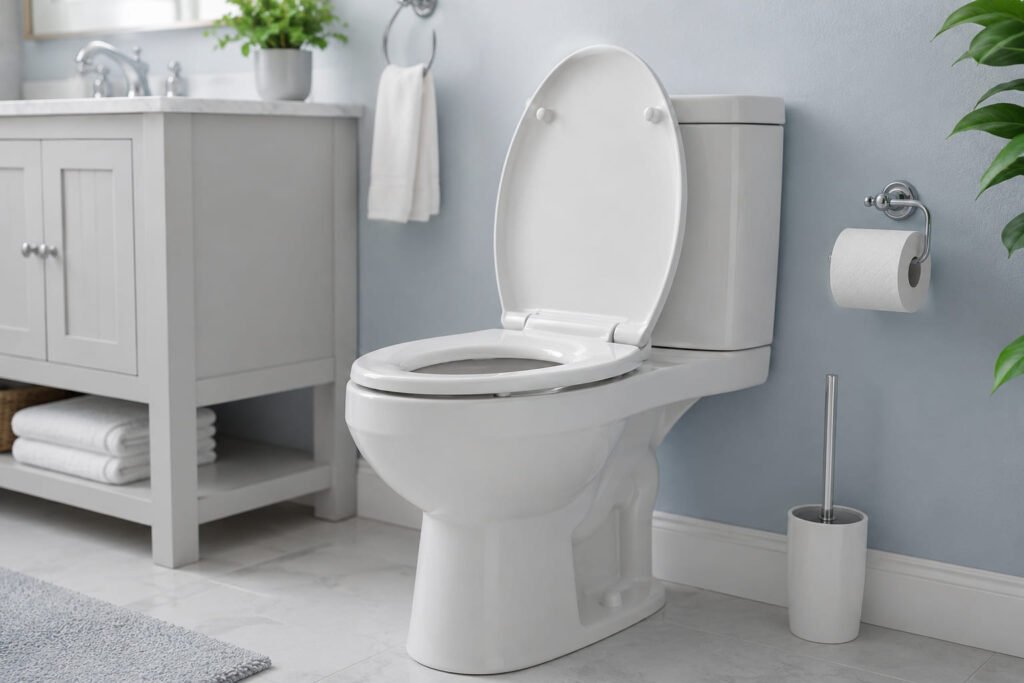
A toilet seat is the part of a toilet that provides a clean and comfortable surface for sitting while using the toilet. It is usually attached to the toilet bowl with hinges and can be lifted or lowered depending on use. Understanding how it works is an important first step in learning how to use a toilet seat correctly.
Most toilet seats consist of two main parts: the seat itself and the lid. The seat is what you sit on, while the lid is used to cover the toilet bowl when it is not in use. Modern toilet seats are designed for comfort, hygiene, and ease of cleaning.
Toilet seats are attached using strong hinges that allow them to move up and down smoothly. Some are basic plastic designs, while others include soft-close technology that prevents slamming. Advanced models may also include built-in bidet functions for improved hygiene.
In simple terms, using a toilet seat involves lifting or lowering the seat depending on the situation, sitting properly, and maintaining cleanliness. Once you understand the structure and function, learning how to use a toilet seat becomes very straightforward and natural in daily life.
Step-by-Step Guide on How to Use a Toilet Seat
Learning how to use a toilet seat is simple when you follow the correct steps. These steps help you stay clean, avoid damage to the toilet, and maintain proper hygiene.
Step 1 – Approach the toilet safely.
Walk carefully toward the toilet and make sure the floor is dry to avoid slipping. Stand in a stable position in front of the toilet bowl.
Step 2 – Lift or Lower the Seat Properly.
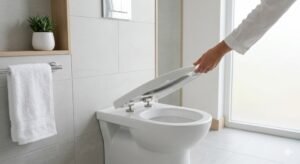
If the seat is up, gently lower it down using your hand. If needed, lift it before use. Avoid dropping it because it can cause damage or noise.
Step 3 – Sit Correctly on the Seat
Slowly sit down in the centre of the toilet seat. Keep your balance and avoid leaning too much to one side.
Step 4 – Use Toilet Paper or a Bidet
After using the toilet, clean yourself properly using toilet paper or a bidet if available. This is an important part of how to use a toilet seat hygienically.
Step 5 – Flush the toilet.
Once finished, flush the toilet to remove waste. Make sure everything goes down properly before leaving.
Step 6 – Close the Lid After Use
Lower the seat and close the lid gently. This helps maintain cleanliness and reduces the spread of germs in the bathroom.
Following these simple steps ensures you know how to use a toilet seat correctly in both home and public restrooms while keeping hygiene and safety in mind.
Proper Toilet Seat Etiquette (Important Rules Everyone Should Follow)
Knowing correct etiquette is essential for properly using a toilet seat, particularly in shared homes or public restrooms. Practicing good manners supports cleanliness, shows respect for others, and helps keep the bathroom hygienic and pleasant for everyone.
One basic rule is to always adjust the seat according to your use. If the seat is up, lower it before sitting, and if needed, raise it gently after use. Avoid letting the seat drop loudly, as this can damage the toilet and disturb others.
Another important point in how to use a toilet seat properly is keeping it clean. Always check that the seat is clean before use, and if necessary, wipe it with tissue or a sanitising wipe. This is particularly crucial in shared or public restroom facilities.
In shared bathrooms at home, it is considerate to leave the seat and lid in a neutral, clean position after use. Many people prefer closing the lid before flushing to help reduce the spread of germs.
Hygiene is also part of etiquette. Always wash your hands thoroughly after using the toilet, and avoid touching unnecessary surfaces.
Following these simple rules ensures that how to use a toilet seat is not just about personal use but also about respecting hygiene and comfort for everyone sharing the space.
Common Mistakes People Make When Using a Toilet Seat
When learning how to use a toilet seat, many people unknowingly develop habits that can cause hygiene issues, discomfort, or even damage to the toilet. Avoiding these mistakes helps ensure proper use and better cleanliness.
One common mistake is slamming the toilet seat or lid. This can damage the hinges over time and create unnecessary noise. A toilet seat should always be lowered gently.
Another mistake is standing on the toilet seat. Some people do this in public restrooms, but it is unsafe and can lead to slipping, breaking the seat, or injury. Proper how-to-use-a-toilet-seat practice always involves sitting, not standing.
Not checking the cleanliness of the seat is also a frequent issue. Sitting on a dirty seat increases the risk of germs and infections, especially in shared or public toilets. It is always better to wipe the seat before use if needed.
Some users also forget to close the lid after flushing. Leaving it open can allow germs to spread into the air and surrounding area, reducing bathroom hygiene.
Lastly, improper handling—such as forcing the seat up or down—can weaken the hinges and shorten the life of the toilet seat.
By avoiding these mistakes, you improve both hygiene and safety, and you learn how to use a toilet seat in a more responsible and correct way.
Hygiene Tips for Using a Toilet Seat Safely
Good hygiene is an essential part of learning how to use a toilet seat properly. Keeping yourself and the toilet clean helps prevent the spread of germs and ensures a safer bathroom experience for everyone.
First, always wash your hands before and after using the toilet. This is one of the most important hygiene habits when understanding how to use a toilet seat safely. Proper handwashing with soap removes bacteria and reduces the risk of infections.
Before sitting, quickly check if the toilet seat is clean. If it looks dirty, wipe it with a tissue or a disinfectant wipe. In public restrooms, you can also use disposable seat covers or place toilet paper on the seat for extra protection.
Avoid touching unnecessary surfaces such as walls, flush handles, or door locks without need. If you do touch them, make sure to clean your hands afterward.
Another important tip in how to use a toilet seat safely is to avoid sitting for too long, especially in public toilets, to reduce exposure to germs. Also, always flush with the lid closed when possible to help prevent bacteria from spreading into the air.
By following these simple hygiene tips, you can ensure that how to use a toilet seat becomes a safe, clean, and comfortable daily habit.
How to Clean a Toilet Seat Properly

Keeping a toilet seat clean is an important part of hygiene and maintenance. If you understand how to use a toilet seat correctly, you should also know how to clean it properly to prevent germs, stains, and damage over time.
Daily Cleaning Steps
Daily cleaning helps keep the toilet seat fresh and sanitary. Start by wiping the seat with a soft cloth, tissue, or disinfecting wipe. Focus on both the top and underside of the seat, as germs can collect in hidden areas.
Use warm water and a mild bathroom cleaner to remove dirt and light stains. After cleaning, dry the surface with a clean cloth to prevent moisture build-up.
Regular daily cleaning is an essential part of how to use a toilet seat hygienically, especially in shared bathrooms.
Deep Cleaning Methods
Deep cleaning should be done at least once a week. Begin by lifting the seat and lid completely to clean around the hinges and mounting areas where dirt often collects.
Spray a safe disinfectant cleaner and allow it to sit for a few minutes to kill bacteria. After that, carefully clean the surface using a soft brush or sponge, applying light pressure. For stubborn stains, a mixture of baking soda and water can help remove buildup without scratching the surface.
After cleaning, rinse the seat with a damp cloth and dry it thoroughly.
Safe Cleaning Products to Use
Always use non-abrasive cleaning products to protect the toilet seat surface. Mild soap, bathroom disinfectants, white vinegar, and diluted baking soda solutions are generally safe for most toilet seats.
Avoid using strong bleach concentrations, steel wool, or rough scrubbers because they can damage the finish and weaken the material over time.
Choosing safe cleaners is important when learning how to use a toilet seat while maintaining long-term durability and cleanliness.
How to Avoid Damaging Hinges and Surface
To prevent damage, never slam the toilet seat shut. Close it gently to protect the hinges and reduce wear. Do not stand on the toilet seat, as too much pressure can damage the surface or cause the fittings to become loose.
When cleaning around hinges, use a soft brush instead of sharp tools. Also, avoid soaking metal hinges with excessive water, as this may lead to rust or corrosion on some models.
Proper cleaning and careful handling will help your toilet seat stay hygienic, comfortable, and durable for many years.
Types of Toilet Seats and How Usage Differs
Understanding the different types of toilet seats can make it easier to learn how to use a toilet seat properly in different situations. Each type is designed for specific comfort, hygiene, or accessibility needs.
Standard Plastic Toilet Seats
Standard plastic toilet seats are the most common type found in homes and public restrooms. They are lightweight, affordable, and easy to clean. Using them is simple because they open and close manually with basic hinges.
These seats are durable and suitable for everyday use, making them ideal for anyone learning how to use a toilet seat correctly.
Wooden Toilet Seats
Wooden toilet seats are heavier and often more stylish than plastic models. They provide a warmer and more comfortable seating surface, especially in colder weather.
Because they are made from wood or wood-based materials, they require gentle cleaning to avoid damage from excess moisture or harsh chemicals.
Soft-Close Toilet Seats
Soft-close toilet seats are designed with special hinges that allow the seat and lid to close slowly and quietly. This helps prevent slamming, reduces noise, and protects the hinges from damage.
When learning how to use a toilet seat, soft-close models are easier and safer to handle because they reduce sudden impact.
Raised Toilet Seats
Raised toilet seats are commonly used by elderly individuals or people with mobility issues. They add extra height to make sitting down and standing up easier and safer.
These seats are often used in hospitals, care homes, or accessible bathrooms.
Bidet Toilet Seats
Bidet toilet seats include built-in cleaning features that spray water for personal hygiene after use. Some advanced models also include heated seats, warm air drying, and automatic lid functions.
Using a bidet seat may require learning additional controls, but it offers improved cleanliness and comfort.
Child Toilet Seats
Child toilet seats are smaller and designed to help children use the toilet safely. Some attach to regular toilet seats, while others are built specifically for potty training.
They help children learn how to use a toilet seat safely while preventing slipping or discomfort.
Choosing the right toilet seat depends on comfort, hygiene needs, and personal preference. Understanding how each type works can improve bathroom safety and make daily use more comfortable.
Safety Tips for Children and Elderly Users
Learning how to use a toilet seat safely is especially important for children and elderly users. Proper support, balance, and hygiene can help prevent accidents and make bathroom use more comfortable for people of all ages.
Safety Tips for Children
Young children may feel uncomfortable or unstable on a standard toilet seat. Using a child-sized training seat can provide better support and reduce the risk of slipping. Parents should also teach children how to sit properly in the centre of the seat instead of leaning or moving around.
It is important to remind children not to stand on the toilet seat because it can be dangerous and may cause falls or cracks in the seat. Keeping the bathroom floor dry also helps prevent slipping accidents.
Teaching children basic hygiene habits, such as flushing properly and washing hands after use, is an essential part of learning how to use a toilet seat correctly.
Safety Tips for Elderly Users
Elderly users may have difficulty sitting down or standing up due to reduced balance or joint pain. Installing grab bars near the toilet can provide extra support and improve stability.
Raised toilet seats are also useful because they reduce the effort needed to sit and stand. Soft-close seats can help prevent sudden slamming, which may be uncomfortable or unsafe for older adults.
To improve safety, ensure the toilet seat is tightly secured and does not wobble. A loose seat can increase the risk of falls or injury.
General Bathroom Safety Tips
Good lighting, clean floors, and regular toilet seat maintenance are important for everyone. Avoid using damaged or cracked toilet seats, as they can become unsafe over time.
By following these simple precautions, families can ensure that how to use a toilet seat safely becomes easier and more comfortable for both children and elderly users.
FAQs About How to Use a Toilet Seat
Is it better to keep the toilet seat raised or lowered?
In most homes, it is considered polite to leave the toilet seat down after use. Lowering both the seat and lid helps improve hygiene and keeps the bathroom looking cleaner. This is one of the basic etiquette rules when learning how to use a toilet seat properly.
Do I need to close the lid every time?
Yes, closing the lid before flushing is recommended. It helps reduce the spread of germs and bacteria into the air. It also protects items in the bathroom from contamination and keeps the toilet cleaner overall.
How often should a toilet seat be cleaned?
A toilet seat should be wiped down daily and deep cleaned at least once a week. In shared bathrooms or high-traffic areas, more frequent cleaning may be necessary. Proper cleaning is an important part of understanding how to use a toilet seat hygienically.
Can I sit on a toilet seat with clothes on?
Yes, you can sit on a toilet seat while fully clothed if needed. However, when using the toilet normally, clothing should be adjusted properly to sit comfortably and safely on the seat.
Why does the toilet seat move when I sit?
A moving toilet seat usually means the hinges or mounting bolts have become loose over time. Tightening the bolts underneath the seat often fixes the problem quickly. Regular maintenance helps keep the toilet seat stable and safe to use.
Conclusion
Learning how to use a toilet seat properly is an important part of everyday hygiene, comfort, and bathroom etiquette. From understanding how the seat works to following the correct steps for use and cleaning, small habits can make a big difference in maintaining a clean and safe bathroom environment.
Using the toilet seat correctly also helps prevent damage, reduces the spread of germs, and improves comfort for everyone sharing the space. Whether at home, school, work, or in public restrooms, proper toilet-seat use reflects good hygiene and respect for others.
By following the simple tips and guidelines in this guide, you can confidently understand how to use a toilet seat the right way while keeping your bathroom cleaner, healthier, and more comfortable every day.
If you want a complete guide on toilet seats and how to choose the right one for your bathroom, check out our latest detailed post for expert insights and easy buying tips.